In a significant political push, over 220 MPs from nine political parties in the UK have penned a letter to Prime Minister Sir Keir Starmer, advocating for the formal recognition of Palestinian statehood. This appeal, backed by more than half of the Labour Party members, asserts that such a move would deliver a vital message in support of peace and be instrumental in advancing toward a two-state solution. Their collective voices come on the heels of France expressing intentions to recognize Palestine in the near future, placing additional pressure on the UK government.
In a recent statement following conversations with French President Emmanuel Macron and German leader Friedrich Merz, Starmer emphasized the need for recognition to be part of a broader strategy aimed at achieving lasting peace. “Recognition of a Palestinian state has to be one of those steps. I am unequivocal about that,” he stated, reinforcing his commitment to establishing a pathway that addresses the humanitarian crisis while striving for both Palestinians and Israelis to enjoy security.
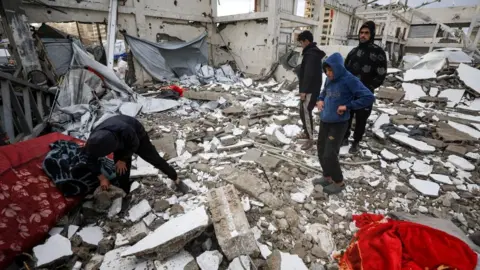
A joint declaration by the UK, French, and German leaders called for immediate action to ease aid restrictions in Gaza but stopped short of mentioning Palestinian statehood. The letter from MPs follows concerns raised regarding the dire humanitarian conditions in Gaza, where the UN reports alarming rates of malnutrition and civilian casualties due to military action.
The MPs' letter, which includes support from notable figures across the political spectrum, argues that parliamentary backing for Palestinian recognition has long been present and highlights the unique historical context of the UK in the region. As stated by Labour MP Sarah Champion, who played a significant role in organizing the letter, “Recognition would send a powerful symbolic message that we support the rights of the Palestinian people.”
Despite broad international recognition of Palestine—currently acknowledged by approximately 139 countries—many nations, including the UK and the US, maintain that recognition should align with efforts toward a comprehensive resolution to the long-standing conflict. Yet, as Starmer navigates this complex diplomatic landscape, skeptics warn that without addressing the underlying questions regarding Palestinian leadership and state governance, recognition may ultimately remain a mere symbolic act.
With support for recognizing Palestine gaining momentum, both locally and within the international community, the call to action resonates as a critical topic of debate in British politics, reflecting a pressing need for compassionate and informed diplomatic engagement.
In a recent statement following conversations with French President Emmanuel Macron and German leader Friedrich Merz, Starmer emphasized the need for recognition to be part of a broader strategy aimed at achieving lasting peace. “Recognition of a Palestinian state has to be one of those steps. I am unequivocal about that,” he stated, reinforcing his commitment to establishing a pathway that addresses the humanitarian crisis while striving for both Palestinians and Israelis to enjoy security.
A joint declaration by the UK, French, and German leaders called for immediate action to ease aid restrictions in Gaza but stopped short of mentioning Palestinian statehood. The letter from MPs follows concerns raised regarding the dire humanitarian conditions in Gaza, where the UN reports alarming rates of malnutrition and civilian casualties due to military action.
The MPs' letter, which includes support from notable figures across the political spectrum, argues that parliamentary backing for Palestinian recognition has long been present and highlights the unique historical context of the UK in the region. As stated by Labour MP Sarah Champion, who played a significant role in organizing the letter, “Recognition would send a powerful symbolic message that we support the rights of the Palestinian people.”
Despite broad international recognition of Palestine—currently acknowledged by approximately 139 countries—many nations, including the UK and the US, maintain that recognition should align with efforts toward a comprehensive resolution to the long-standing conflict. Yet, as Starmer navigates this complex diplomatic landscape, skeptics warn that without addressing the underlying questions regarding Palestinian leadership and state governance, recognition may ultimately remain a mere symbolic act.
With support for recognizing Palestine gaining momentum, both locally and within the international community, the call to action resonates as a critical topic of debate in British politics, reflecting a pressing need for compassionate and informed diplomatic engagement.