In brief
As diplomatic talks stall, both nations grapple with pressures from internal and external forces affecting the negotiations' outcomes.
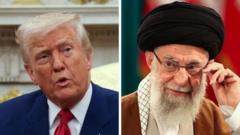
The anticipated fourth round of Iran-US nuclear negotiations has been delayed, as confirmed by Oman’s foreign minister, who is facilitating the discussions. The expected talks, which were set for Rome, will be rescheduled due to logistical challenges, with a new date to emerge once all parties agree. Despite constructive dialogues during the initial stages in Muscat, recent developments have intensified tensions, particularly following U.S. Secretary of Defense Pete Hegseth's stern warnings regarding Iran's support for the Houthi rebels in Yemen. The United States has recently implemented sanctions on companies allegedly connected to Tehran, part of a broader strategy following President Trump’s withdrawal from the prior nuclear agreement in 2018. While Trump promotes the pursuit of a "better deal," he has also signaled potential military responses should the talks falter, causing skepticism about the effectiveness and sincerity of the negotiations on both sides. Reports indicate that Iran’s foreign ministry acknowledged the postponement, but the U.S. has not yet issued a formal statement, leading to further speculation regarding its commitment to the process. An unnamed source indicated that Washington had never officially confirmed intentions to attend the forthcoming discussions, raising questions about the future of diplomacy. Compounding the uncertainty, Iranian sources have voiced growing doubt about the negotiations, particularly in light of recent U.S. sanctions perceived to undermine trust. On the Iranian side, there are aspirations for a framework that would allow for limited enrichment rights in exchange for sanctions alleviation, while U.S. diplomats push for a more comprehensive dismantling of Iran’s nuclear capabilities and restrictions on regional proxy support. As the dialogue remains in limbo, both nations are faced with escalating pressures: diplomatic and military. The ongoing struggle around Iran's nuclear ambitions and the international response continues to shape the geopolitical landscape of the Middle East.