In brief
The closure of Marineland Antibes raises questions about the future of two orcas, Wikie and Keijo, as concerns mount over their potential relocation to other facilities or sanctuaries.
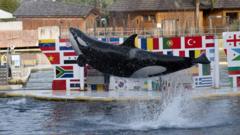
The fate of two killer whales, Wikie and Keijo, hangs in the balance after the closure of Marineland Antibes in France, a significant marine zoo that has drawn both visitors and criticism. The decision to shut down comes after new animal welfare laws, which ban performances featuring dolphins and whales, come into full effect next year. Marineland, dubbed Europe’s largest marine zoo, primarily relies on such shows to attract around 90% of its visitors, prompting concern over the management's willingness to secure a proper relocation for the whales.Various relocation options have surfaced, but there exists substantial disagreement on whether the whales should be sent to another zoo or a sanctuary. Experts caution against releasing them into the wild, highlighting that both whales have spent their entire lives in captivity, rendering their survival skills inadequate. As marine biologist Hanne Strager aptly noted, their fundamental social bonds and relationships are anchored to their human caretakers.Campaigners vehemently oppose plans to send Wikie and Keijo to a marine zoo in Japan, citing the possibility of inadequate treatment compared to welfare standards in Europe. The French government blocked the earlier proposal due to fears surrounding the stress of the long journey and the comparatively relaxed animal welfare regulations in Japan. An alternate destination proposed is Tenerife's Loro Parque, which also complies with European standards, yet concerns persist over the risk of further shows being staged.A possible sanctuary has been proposed by the Whale Sanctuary Project in Nova Scotia, aiming to provide a safe environment for the whales in a netted-off area of ocean. This sanctuary would allow for a more natural setting while granting necessary human support for their care. Campaigners believe this would represent a significant improvement in the quality of life for Wikie and Keijo compared to the conventional marine zoo environment.The campaigner's aspirations echo a broader movement toward ending captivity practices, intensified in recent years. The documentary "Blackfish" particularly played a crucial role in raising awareness around the ethical dilemmas of keeping orcas for entertainment. Advocates like Katheryn Wise from World Animal Protection have continuously emphasized the dire nature of the situation, suggesting that the transition for Wikie and Keijo must prioritize their well-being and freedom.The closure of Marineland Antibes, founded in 1970, represents a broader shift in societal attitudes toward marine zoos. Following years of criticism and growing awareness about animal welfare, the call for change culminates in a critical time for marine life conservation and emphasizes the need for compassion-driven solutions in handling captive orcas.