
In brief
What began as an adventurous culinary quest for dumplings in central China quickly spiraled into a disastrous traffic bottleneck as thousands of cyclists crowded the expressway. The "Night Ride to Kaifeng" movement, inspired by four university students, highlights the struggles of China's youth amidst a tough job market and economic uncertainty.
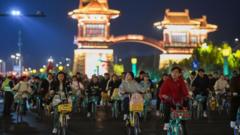
In a remarkable and somewhat chaotic turn of events, a social media dare turned into a traffic nightmare in central China as thousands of cyclists flooded the expressway linking Zhengzhou and Kaifeng in search of the popular soup dumpling, guantangbao. This newly minted trend, dubbed “Night Ride to Kaifeng,” was originally intended to boost local tourism and invigorate the economy of the ancient city of Kaifeng. However, after going viral, it spiraled out of control.It all began in June, when four university students embarked on a 50-kilometer ride from Zhengzhou to Kaifeng, inspired by a desire to taste the famed dumpling dish. Their spontaneous adventure resonated with a generation of young people feeling the weight of economic stress and job scarcity, leading to a surge in participation as the narrative of youthful spontaneity captured the imagination of many. In what should have been a joyous showcase of energy and local delicacies, the surge in cyclists resulted in severe traffic disruptions. After initially encouraging the trend, local authorities soon found themselves overwhelmed as the expressway transformed into a makeshift bike lane filled with tens of thousands of excited young riders, creating a gridlock situation. Authorities deployed police to manage the situation, warning cyclists over loudspeakers, while bike rental companies even threatened to disable rented bikes that were taken out of Zhengzhou. Despite attempts to control the chaos with discounts, promotions, and safety measures, the numbers exceeded expectations, with estimates suggesting anywhere from 100,000 to 200,000 cyclists took to the roads.As frustrations mounted, participants began to express their regrets after enduring long rides only to find accommodations and transportation overwhelmed. Many riders encountered difficulty in securing a taxi or hotel room upon arrival in Kaifeng, adding to their disillusionment, with one social media user lamenting, "I really regret going."Cycling platforms issued warnings, advising students to opt for public transportation instead of embarking on long-distance bike rides, and even imposed extra charges for those who rode into another city. Additional measures were also taken to restrict students at local universities from leaving campus, showcasing a heightened sense of caution from authorities who remain wary of large gatherings.Yet despite the backlash, many believe these events are essential for young people coping with the pressures of modern life. "People are so stressed these days, so these events are a good thing. Because happiness is infectious," remarked a participant, reflecting on the need for youthful escapades amidst economic tension.The intersection of culinary adventure and youthful camaraderie, set against the backdrop of increasing socioeconomic challenges, continues to resonate within the collective consciousness of China's youth, all while politicians and local governments grapple with the implications of these large, spontaneous gatherings.

