In brief
Despite airdrops of aid and promises of designated corridors, experts question the effectiveness and transparency of these actions.
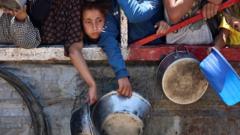
Israel has recently announced various humanitarian measures in the face of growing international criticism over its role in the ongoing starvation crisis in Gaza. Operating under the banner of the Israeli Defense Forces (IDF), these measures include airdrops of food aid and the establishment of designated humanitarian corridors in a bid to alleviate the humanitarian situation that many claim has reached catastrophic levels.The first of such airdrops occurred during the night, with subsequent support from the United Arab Emirates airforce. However, critics, including Hamas, have labeled these efforts as disingenuous. They argue that Israel is attempting to “whitewash” its image in front of the international community.As reports of airstrikes continue to emerge, including one that killed a mother and her four children, skepticism around Israel’s commitment to humanitarian aid is growing. The IDF asserts that it is not responsible for the humanitarian disaster affecting Gaza, but this position has not convinced key allies, including the United Nations and European nations.Following a total blockade of aid and subsequent restrictions, Israel seems to acknowledge an urgent need for action, influenced by recent calls for an end to these harsh measures from European leaders. Restrictions on aid convoys, previously enforced by Israel, have led to deteriorating conditions for Gazans. A recent system named 'Gaza Humanitarian Foundation' (GHF), backed by the U.S., aims to assist in the distribution of aid, yet it is viewed skeptically by the United Nations, which refuses to cooperate with what it deems a militarized system.Past experiences have highlighted the dangers of air-dropping aid, where precarious delivery methods have led to casualties among desperate civilians. Observers like Jonathan Whittall, who heads the UN's office for humanitarian affairs in the Occupied Territories, have warned that the humanitarian situation in Gaza has never been worse, urging Israel to adopt better processes for aid transit and security for those receiving it.While the Israeli government claims these airdrops and military pauses serve a purpose, many experts insist that a ceasefire and a sustainable aid operation are vital for truly addressing the humanitarian crisis. The IDF's airdrops might be perceived by some as gestures of goodwill, but the underlying issues have not been resolved, raising questions about the sincerity and efficacy of such measures in the face of a dire humanitarian catastrophe.