
In brief
With Trump's re-election, small businesses like MinkeeBlue are adapting to the potential impact of new tariffs that could escalate costs and disrupt supply chains. As companies stockpile and seek new suppliers, the uncertainty brings challenges for economic growth and consumer prices.
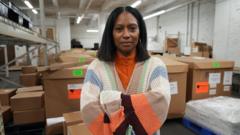
As former President Donald Trump prepares to assume office again, small businesses across the United States are feeling the strain of impending tariffs that promise to alter market dynamics. For designer Sherrill Mosee, founder of the handbag brand MinkeeBlue, the decision to expedite shipments from her Chinese supplier reflects a broader anxiety among retailers bracing for potential cost increases.Mosee, based in Philadelphia, initially delayed imports of approximately 2,700 bags but has since deemed it essential to secure her inventory ahead of potential border tax implications. Trump has signaled a commitment to imposing stiff tariffs on imports from pivotal trade partners like China, Canada, and Mexico. This unrest has prompted many businesses to pivot through strategic stockpiling and contract evaluations to mitigate potential losses. Trade analysts note a significant uptick in warehouse activity as firms scramble to prepare for Trump’s proposed 25% tariffs on imports from Canada and Mexico, alongside an additional 10% on Chinese goods. Economists like Wendy Edelberg, who serves as the director of the Hamilton Project at the Brookings Institution, highlight the economic repercussions of such uncertainty, forecasting that even speculative tariffs can yield elevated consumer prices and potential product shortages.Footwear giant Steve Madden has already initiated shifts in manufacturing to lessen reliance on China, aiming for a 50% reduction in imports over the next year. Retail magnates such as Walmart are also rumbling about price hikes as they brace for the ripple effects of impending tariffs. The uncertainties driving these decisions create a chilling effect on economic growth, exacerbating challenges for smaller brands like Mosee’s.In her efforts to survive the turmoil, Mosee finds herself exploring potential suppliers in Cambodia and India, reconsidering her business model which has relied heavily on her existing manufacturing relationships. “It’s going to be hard all the way around,” she states, weighing the implications of inflation against her capacity to adjust pricing for her luxury bags, currently priced around $180.While Trump’s tariff policy is framed as a mechanism to revive US manufacturing, detractors, including various economists, warn that such measures often inflate consumer prices without delivering significant job growth. The National Retail Federation estimates that households could see annual expenses rise by up to $78 billion due to tariffs, directly impacting everyday goods.As the administration enters its next phase, business owners, particularly in small enterprises, face a storm of uncertainty that threatens to unsettle even the most resilient brands. Suggestions of a governmental backlash from imposing substantial tariffs loom large, while those like Martin Pochtaruk, CEO of solar panel manufacturer Heliene, stress the anxiety inherent in the current trade environment. With costs pervading supply chains and raw materials sourced globally, the implications of Trump’s return to tariffs will be watched closely over the coming months.

