
In brief
Following a deadly earthquake in Myanmar, the military junta's relentless air strikes hinder rescue operations, prompting international outcry and calls for a halt to hostilities.
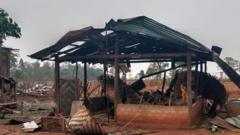
The situation in Myanmar remains dire as the military junta continues its air strikes despite the aftermath of a catastrophic earthquake that has claimed the lives of over 1,600 people. Images from Naung Lin Village in Shan state depict extensive damage, while reports from pro-democracy rebel groups highlight ongoing bombings in the north-western Sagaing region, the earthquake’s epicenter.The United Nations condemned the junta's actions as "completely outrageous and unacceptable." Special Rapporteur Tom Andrews expressed disbelief at the military's decision to conduct bombing raids while rescue workers are on the ground, aiding disaster relief efforts. He urged for an immediate cessation of military operations and stressed the need for international pressure on the junta to cease its hostilities.In response to the recent quake, which measured 7.7 on the Richter scale, the National Unity Government (NUG) announced a temporary two-week suspension of offensive military actions, reserving their forces for defensive purposes only in earthquake-affected areas. This decision emerges amid reports indicating that the military is intensifying its aerial bombardments in Chang-U township and near the Thai border.The earthquake has exacerbated the devastation faced by Myanmar, a nation embroiled in civil unrest since the military coup nearly four years ago, which sparked widespread protests and a growing insurgency. The military regime, having suffered defeats and losing significant territory, has increasingly resorted to air attacks, with aerial combat being a key tactical advantage for the junta against pro-democracy resistance forces.Currently, investigations show that the military controls less than 25% of the country, while ethnic armies and resistance groups manage 42% of its landmass. The military's aerial assaults have historically targeted civilian infrastructure, including schools and hospitals, contributing to significant civilian casualties and prompting accusations of war crimes and crimes against humanity.The situation has been further complicated by the junta's relationships with foreign powers such as Russia and China, which continue to supply advanced weaponry despite global calls for an arms embargo. Both nations have also deployed aid teams to Myanmar, raising concerns among activists about the potential weaponization of humanitarian assistance.As aid flows into the country, fears are mounting that the junta may manipulate resources to serve military interests rather than the urgent humanitarian needs of affected populations. In past natural disasters, the military has been known to obstruct aid efforts in resistance-controlled areas, thereby deepening the crisis for vulnerable communities.Humanitarian experts, including UN representatives, warn that the pattern of aid manipulation could repeat in the wake of the earthquake, with critical supplies withheld from those suffering most. The situation remains fluid as voices from the ground call for international actions to hold the junta accountable for its escalating violence and to prioritize the well-being of the Myanmar populace in this time of tragedy.


