
In brief
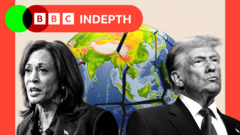
The looming presidential election in the US brings forth critical implications for international peace, climate initiatives, and diplomatic relations. Whether Kamala Harris or Donald Trump assumes the presidency, the world awaits the direction America will take in addressing its role on the global stage involving ongoing conflicts, climate crises, and relationships with adversaries like China.
In the midst of escalating geopolitical tensions, the upcoming US election is set to redefine the landscape of global relations and humanitarian efforts. With President Joe Biden’s unexpected visit to Kyiv earlier this year, the message was clear: America's role as a global leader still resonates. Now, as the nation gears up for a pivotal decision next week, the world watches to see if Kamala Harris will continue Biden's legacy, advocating for a steadfast US presence or if Donald Trump will inject his vision of "Americanism" over globalism.The question of US authority on the world stage is fraught with complexity. Military spending illustrates America's significant influence; it constitutes two-thirds of NATO's collective budget. NATO's future hangs precariously on the voting outcomes, with concerns stemming from Trump's controversial past statements regarding alliance commitments. Rose Gottemoeller, former NATO deputy secretary-general, warns that a Trump-led administration could spell disaster for European security, given his inclination to pressure allies on defense spending while maintaining an unpredictable foreign policy stance.As global conflicts intensify, Comfort Ero of the International Crisis Group emphasizes that the next president must grapple with a world fraught with intractable wars. Ero argues that regardless of who wins, the inevitable pressure to address these conflicts could lead to diminishing US moral authority within the international community, particularly as varied responses to crises in Gaza and Ukraine raise scrutiny regarding consistency in US foreign policy.Trade relations, particularly with China, present another area of scrutiny. Leading China scholar Rana Mitter highlights potential approaches by both candidates, pointing toward a possible hardening of positions under Trump's proposed tariffs versus Harris’s more predictable strategy. Both face the challenge of navigating US-China tensions in a landscape where competition for global dominance is fierce.The climate crisis adds another layer of urgency. Mary Robinson, former UN High Commissioner for Human Rights, insists that the upcoming election is vital not just for American citizens, but for global climate action. With Trump’s previous withdrawal from the Paris Agreement fresh in the collective memory, many anticipate how he may again hinder climate progress if re-elected. In contrast, Harris is urged to seize leadership on climate initiatives to maintain momentum in addressing sustainability.Martin Griffiths, a veteran mediator, underscores the US's extraordinary influence, advocating for a moral re-engagement thread in whichever candidate claims victory. He speaks of the pressing need for a firm reminder to the international community of America’s capacity for principled diplomacy, particularly crucial as humanitarian crises continue to necessitate swift and bolstered responses.The world holds its breath as Americans prepare to cast their votes, with broader implications that extend beyond borders. The future of international relations, climate policy, and humanitarian perspectives will be heavily dictated by the outcome of this election. As Griffiths aptly summarizes, the global community hopes for a resurgence of responsible leadership amid uncertainty and conflict.



