In brief
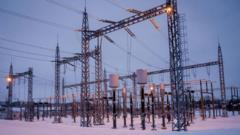
In an essential shift for energy security, the Baltic states of Estonia, Latvia, and Lithuania have successfully disconnected from the Russian electricity grid and integrated into the European Union's energy network. This long-anticipated transition, which had been in planning since 2007, has been expedited due to heightened geopolitical tensions following Russia's aggressive actions in Ukraine.
On the momentous day of this transition, EU Commission President Ursula von der Leyen celebrated, declaring the occasion "history is made." She emphasized the importance of energy independence, stating, "This is freedom from threats, freedom from blackmail," in front of leaders gathered in Lithuania's capital. Polish President Andrzej Duda echoed these sentiments, calling it a "truly symbolic moment" that would enhance the security and resilience of the region. The departure from the Brell power grid—an acronym denoting Belarus, Russia, Estonia, Latvia, and Lithuania—had been a critical goal as its control by Moscow posed significant risks to the Baltic nations.Since becoming NATO members, Estonia, Latvia, and Lithuania have not procured electricity from Russia since 2022. However, their previous connection to the Brell grid kept them vulnerable. Von der Leyen did caution about potential Russian retaliatory actions after the disconnect, referencing a series of recent sabotage incidents in the Baltic Sea that raised alarms. This pattern of damage to undersea cable infrastructure, including a significant incident involving a Russian tanker, prompted urgent calls for protective measures.In response to the geopolitical climate, Lithuania's President Gitanas Nauseda advocated for sanctions against Russia's shadow fleet, while NATO has embarked on a new mission called Baltic Sentry to safeguard crucial undersea cables. The transition itself required a significant investment of approximately 1.6 billion euros, financed primarily by the EU, and spanned two days—where the three nations briefly operated as an "energy island" before rejoining the EU network.Ukrainian Energy Minister German Galushchenko celebrated this development as momentous not just for the Baltic region but for Europe as a whole. With this successful integration, the Baltic states firmly establish their commitment to energy sovereignty and security amid ongoing geopolitical challenges.