In brief
As the remnants of the Assad regime fade, families longing for closure uncover grim reminders of mass detentions and human rights abuses.
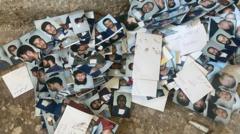
Khaled al Hamad stands in the eerily quiet neighborhood cemetery in Adra, where the scars of Syria's tumultuous past are laid bare. This once tightly guarded area, now liberated from President Bashar al-Assad's control, holds a grim secret. After the regime's departure, Khaled unearthed a shallow grave, its unmarked earth concealing several white bags, each labeled with the names of prisoners.In his quest for truth, Khaled opened one of the bags and gazed upon human skulls and bones. The remains of two women and one man stood as stark evidence of a harsh reality that Khaled hopes to understand—where are his brothers, Jihad and Hussein, taken a decade ago by air force intelligence? He shares chilling accounts of the fate that may have befallen his siblings. "Some were taken to an area called 'the driving school' and liquidated there," he reflects, haunted by unanswered questions.Human Rights Watch has been alerted to the discoveries of prisoners’ remains in similar circumstances throughout Syria. The recent collapse of Assad's grip ignites renewed hope among thousands of families that justice and answers may finally be within reach. "If you ever came past here during Assad's reign, you couldn't stop. You would have faced threats if you dared to linger," Khaled recalls bitterly, the fear still palpable in his voice.As we followed Khaled, we encountered a different kind of horror at the deserted Mazzeh military airbase in Damascus, previously a site of torture and despair. Guarded now by militia from Hayat Tahrir al-Sham (HTS), we learned about the barbarities that occurred behind its walls—where prisoners faced electric shocks and women were routinely raped. The airbase, despite its desolation, remains a stark reminder of the suffering inflicted during years of conflict.Families sift through piles of photographs documenting the faces of the missing, their hope mingled with despair. A mother searches desperately for her son among these grim relics, sharing, "I've been looking for him for 11 years, searching from one prison to another." The chaotic nature of the documentation process leaves families feeling lost and forgotten, as they search for closure amid mountains of records.The transformation in Syria's power dynamics raises critical questions about accountability for the past. While factions vie for control and foreign governments weigh in on the conflict, the families left behind continue to seek answers. They call for recognition of their pain, their memories, and the truth about what happened to their loved ones.As we leave the remnants of the airbase and watch a young HTS fighter dismantle an Assad portrait, there’s a sense of both resolution and foreboding. The changing tides in Syria usher in a new era, but many haunting remnants of the past linger, waiting for justice, acknowledgment, and closure.