In brief
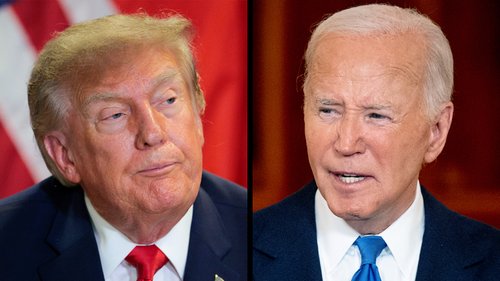
Recent statements from President Trump have triggered unease among Europe’s right-wing leaders, highlighting a complex relationship between American and European nationalism.
In a dramatic turn of political dynamics, President Donald Trump’s recent inaugural address emphasized his uncompromising "America First" stance, indicating a potential shift in international trade relations that has left many European nationalist leaders apprehensive. With Italian Prime Minister Giorgia Meloni being the only European leader present at the inauguration, her initial support for Trump reflects a mutual alignment in conservative ideals. However, the camaraderie soon turned complicated when Trump announced a commitment to imposing tariffs that would prioritize American financial interests above all abroad.Trump’s declaration of intent to tax foreign nations was met with unease, especially regarding Europe, where multiple nationalist factions are gaining ground. This tension arises from the very essence of nationalism that both Trump and conservative European leaders advocate—they seek to fortify their domestic policies while simultaneously navigating a competitive international landscape. The imminent threat of tariffs poses a direct challenge to their ambition, as such economic policies could hinder the progress made by nationalist parties in Europe.Despite the initial applause from Meloni and her supporters, a looming consideration outlines that while Trump appeals to nationalist sentiments, his policies may inadvertently undermine Europe’s own nationalist movements. For instance, these tariffs could destabilize trade networks that are crucial to the constituencies upon which these parties rely, potentially diminishing their political capital.As Trump continues to assert his tariff strategies, leaders in Europe’s right-wing parties are left to ponder the implications—will they remain allies in ideology, or will economic repercussions sow discord among these factions? The unfolding situation prompts critical observations of the interplay between American policies and European nationalist movements as they navigate an increasingly interconnected economic framework.