In brief
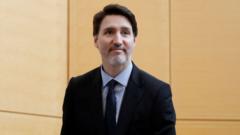
As Prime Minister Justin Trudeau faces declining popularity and internal dissent, speculation around his imminent resignation grows, potentially reshaping Canada's political landscape ahead of upcoming elections.
Canadian Prime Minister Justin Trudeau is reportedly on the verge of announcing his resignation, as per recent media reports. There are indications that he may step down from his role as leader of the governing Liberal Party within days, which would effectively conclude his nearly decade-long tenure as prime minister. His potential departure comes in the wake of significant political challenges, including a recent resignation by his finance minister due to policy disagreements, particularly around how to address the looming threat of U.S. tariffs. A noticeable fall in Trudeau's approval ratings has placed his party in a precarious position as they approach a general election later this year.The Globe and Mail suggests that Trudeau may declare his intention to resign before meeting with his party caucus on Wednesday, aiming to deflect any impressions that he was compelled to resign by his own MPs. While exact details remain uncertain, sources indicate that Trudeau has yet to make a definitive choice regarding his political future. Depending on his decision, he may either vacate the position immediately or remain in office until a successor is appointed. The next leader of the Liberal Party will face the formidable task of steering the party through an election campaign while addressing the threat of escalating trade tensions with the U.S.Trudeau's departure would mark the end of a significant chapter in Canadian politics that commenced in 2015 when he unexpectedly led the Liberal Party to power after beginning the campaign in third place. Initially perceived as a progressive leader committed to propositions like open immigration policies and environmental activism, his administration has faced numerous scandals and increasing public dissatisfaction amidst rising living costs. Recent polls indicate that two-thirds of voters disapprove of him, with various members from within his party reportedly urging him to resign. Currently, just 26% of respondents view Trudeau as their preferred choice for prime minister—19 points behind Conservative leader Pierre Poilievre.Political history suggests an uphill battle for Trudeau, as only two prime ministers in Canada have achieved four consecutive terms. Meanwhile, Poilievre ascended as Conservative leader in 2022, advocating for tax cuts, strategies to combat inflation, and safeguarding individual freedoms, while capitalizing on public discontent during the protests against COVID mandates. With prospects of U.S. tariffs looming, Canada’s next leader will be tasked with navigating the complexities of international trade relations and addressing domestic challenges. The pressure mounts as Trudeau’s political future remains ambiguous, leaving the nation in suspense regarding the future of its leadership.