In brief
The White House's recent decision to control which media outlets cover President Trump is severing ties with traditional press associations, prompting fears about the impact on press independence and access to presidential events.
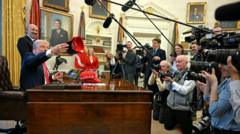
The White House has announced a significant shift in controlling the press pool that covers President Donald Trump. This decision, unveiled by Press Secretary Karoline Leavitt, removes control from the White House Correspondents' Association (WHCA) - an organization that has governed press access for over a century. Under the new directive, the White House will select which news outlets are granted access to presidential events, including exclusive venues such as Air Force One and the Oval Office.Historically, the WHCA managed the pool of reporters who would cover the president. Their system was put in place to ensure fair representation of various media outlets, allowing a mix of established and emerging voices to attend events and share important news with the public. Leavitt stated that this change will also include "new media" outlets, expanding access beyond traditional journalism. She further emphasized that the changes aim to "restore power back to the American people."The WHCA has criticized the decision, asserting that it undermines the independence of the press and benefits the White House by potentially favoring media outlets that display a more favorable portrayal of the administration. Fox News reporter Jacqui Heinrich, sitting on the WHCA board, highlighted concerns that the White House will now have significant leverage over who gets to ask questions and cover presidential activities, stating, "This move does not give power back to the people - it gives power to the White House."The announcement comes at a time when the Associated Press has been fighting to regain access to presidential events after being blocked due to a disagreement over President Trump's renaming of the Gulf of Mexico. The AP contends that the ban infringes upon First Amendment rights and has implications for journalistic freedom across the board.Press freedom advocates are understandably worried about the implications of the White House's bold move, as it sets a new precedent for presidential press access in the digital age. Questions about how such changes will ultimately affect the flow of information to the public remain pertinent as discussions continue on maintaining a free press in the United States.