
In brief
As violence continues to ravage Sudan, the town of El Geneina stands as a haunting testament to the horrors faced by civilians, with the specter of famine looming ever closer.
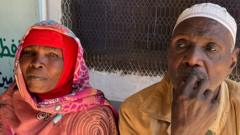
---In the haunting landscape of El Geneina, West Darfur, remnants of a once-thriving community remain, now overshadowed by destruction and despair. The area is eerily vacant; the once vibrant buildings have succumbed to charred ruins, marked by bullet holes and shattered doors, telling a story of violence that unfolded over the past year. Untouched echoes of the past resonate throughout the streets, where rusting tanks bear silent witness to the brutality that has plagued this region for 19 months.Tom Fletcher, the newly appointed UN relief chief, recently made a pivotal visit to El Geneina, marking a rare opportunity for a senior UN official to witness the human toll directly. He described the situation in Darfur as a "crisis of protection," pointing to rampant sexual violence and an emerging famine that threatens the lives of countless individuals. Negotiations with Sudan's warring factions were crucial for his visit, as the Rapid Support Forces (RSF) now control much of the region and have been implicated in ethnic cleansing.Human rights organizations have called accusations against both the RSF and the Sudanese Armed Forces (SAF) grave, labeling the violence as potential war crimes and a possible genocide. The ongoing humanitarian catastrophe has caused tremendous suffering. Reports indicate that up to 15,000 lives were claimed during two massacres that occurred last year, further compounding an already dire situation.On the fringes of El Geneina, individuals displaced by the conflict recount their harrowing experiences. Many fled unbearable circumstances, with witness accounts detailing the killings of their loved ones while escaping to neighboring Chad. A 14-year-old girl poignantly described the sorrow endured, noting the loss of young brothers and the dangerous journey taken to survive. Forced to flee with little more than their lives, families recount the heartbreak of separation and the relentless struggle to find food and safety.Within the Al-Riyadh displacement camp, the ongoing resilience of the community shines through. Elders voice their needs for sustenance, basic health care, and educational opportunities for their children. The community, once fragmented by the conflict, is now united in its plea for support from aid organizations. Fletcher's visit brought a glimmer of hope, as the community sought answers to their pressing needs and the promise of international solidarity.However, aid organizations express deep concern over the lack of substantial resources to respond to this unparalleled crisis. Activists worry that the world's attention is drawn to other global issues, leaving Sudan's suffering fade into the background. As thousands face acute hunger and displacement, there remains a stark urgency for increased international aid and intervention.Fletcher's visit highlights the enormous challenges that lie ahead in addressing this human tragedy. With numerous regional powers supporting rival factions, complex diplomacy is required to enable humanitarian access and protect the most vulnerable populations. As the world looks on, the relief chief's commitment to ending indifference and impunity in Sudan will be scrutinized by a community that can no longer wait for the hope of peace.

