In brief
In response to the increased threat of military conflict, especially following Russia's invasion of Ukraine, Sweden has relaunched its preparedness pamphlet while Finland and Norway have also revised their survival guides, urging citizens to be ready for various emergencies.
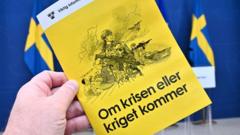
Amid escalating security concerns due to geopolitical tensions in Europe, particularly following Russia’s aggressive actions in Ukraine, the Nordic countries have reinforced their preparedness protocols. Starting Monday, millions of Swedish households will receive the updated version of the government’s pamphlet "If crisis or war comes," with a significant expansion in content compared to its previous iteration released six years ago. The newly updated guide from Sweden is part of a broader initiative in the Nordic region, where Finland has also freshly published its online advice on "preparing for incidents and crises." Meanwhile, Norway, which has already distributed copies of its survival pamphlet, is also emphasizing individual self-sufficiency amidst threats, including extreme weather conditions and military conflicts.Finland's digital brochure provides detailed insights into governmental responses during military aggression, underscoring the nation’s readiness for self-defence. Notably, Finland, alongside Sweden, has recently joined NATO, marking a departure from longstanding neutral stances in light of Russia’s wartime actions.Norway, which provided 2.2 million printed pamphlets in contrast to Finland's digital approach, includes recommendations on essential items such as non-perishable foods, medical supplies including iodine tablets for potential nuclear incidents, and provisions to withstand extreme weather.Historically, Sweden’s civil emergency guide has roots dating back to World War II and has been revised several times, emphasizing the importance of maintaining a defensive posture. Civil Defence Minister Carl-Oskar Bohlin stated that as geopolitical conditions shift, the information provided to the populace must evolve accordingly.The pamphlet aims to equip citizens with knowledge on self-sufficiency during crises, urging households to sustain themselves for at least 72 hours with adequate food and water supply while addressing increased risks tied to climate change and military confrontations.Swedes have expressed mixed feelings regarding these reminders of their vulnerability. While some residents, like 67-year-old economist Ingemar Gustafsson, maintain a calm demeanor about preparations, younger individuals, particularly those with familial ties to threatened regions, feel the weight of potential crises.Overall, as these Nordic nations adapt to a more precarious security landscape, their civilian guidance reflects a community-oriented approach towards resilience and preparedness in the face of uncertainty.