
In brief
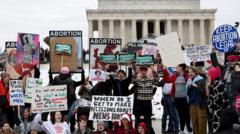
In a significant show of dissent, thousands of women and supporters gathered in Washington DC on Saturday as part of the annual People's March—previously known as the Women's March—two days ahead of Trump's inauguration.
Despite drawing smaller crowds than in previous years, the rally remained a vital platform to address issues like women's rights, climate change, and immigration. Protesters congregated at three parks before marching to the Lincoln Memorial, marking their grievances with chants and signs. Organisers, although expecting a turnout of 50,000, reported about 5,000 participants.Demonstrators expressed diverse motivations for attending, with concerns for abortion access and frustration towards the political climate. Brooke, a participant, highlighted her discontent with the election outcome and the absence of female representation. Meanwhile, another protester, Kayla, articulated a blend of emotions, including anger and sadness over current events.The People's March initially began in response to Trump's 2016 election, catalyzing a nationwide movement that attracted millions. Although this year's gathering was less populated, the spirit of resistance remains vital as participants aim to confront "Trumpism" and its implications. A minor group of Trump supporters drew attention at the Washington Monument, highlighting the divide within the nation.Ultimately, the march serves as a reminder of the sustained activism against Trump's agenda, with many pledging to continue their fight for equality and justice.Organisers noted their commitment to confront autocratic behavior by drawing on past experiences for effective strategies. While the current political landscape shows Trump’s significant support across various states, dissenters like Susie and Anne remain determined to resist and advocate for their beliefs, aiming to inspire a continued movement for change. As the inauguration approaches, the echoes of protest resonate, illustrating an enduring commitment to challenge and engage with the prevailing political narratives.

