A Child’s Rescue Lights Hope in Venezuela’s Hard‑Hit Communities
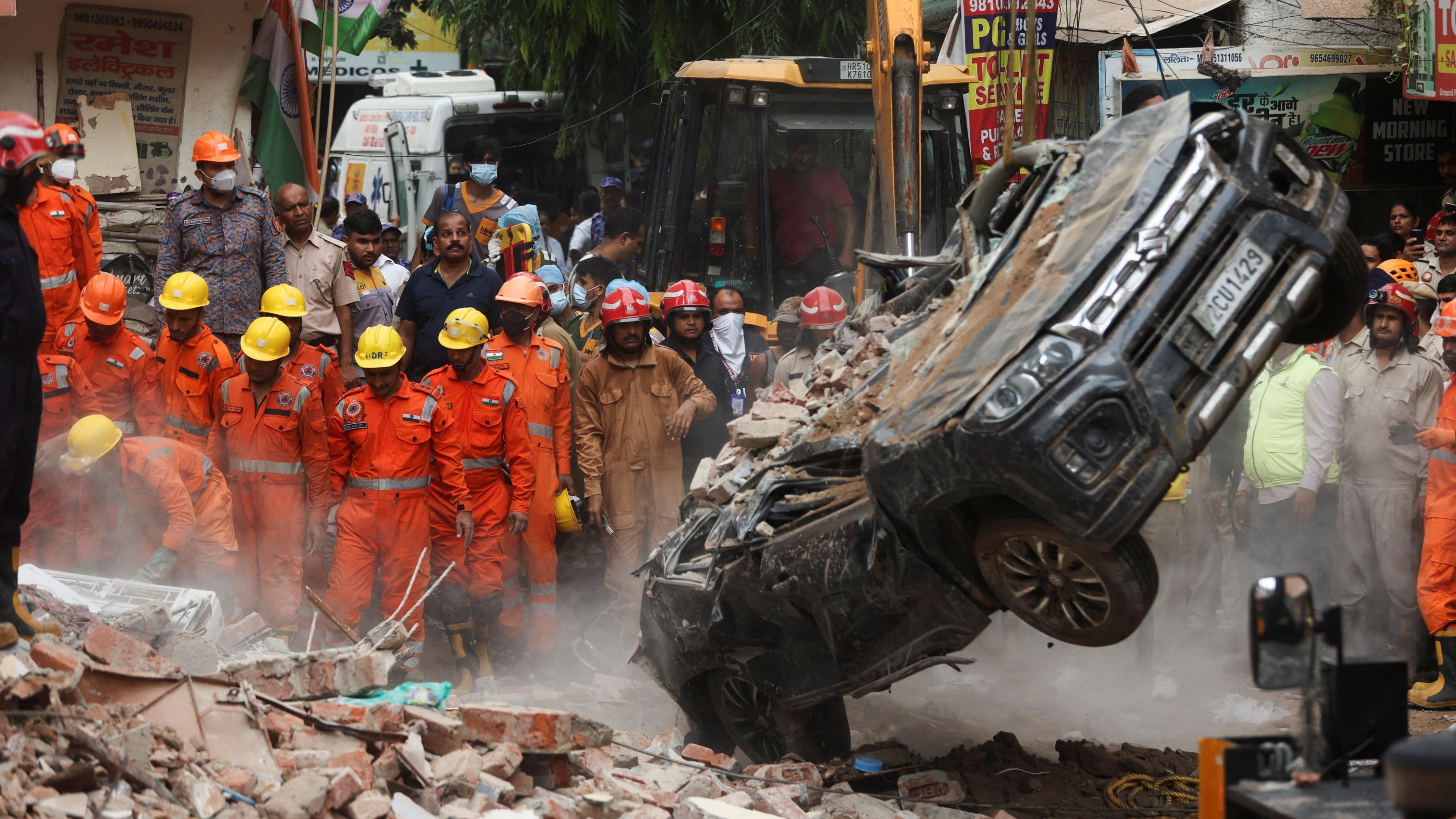
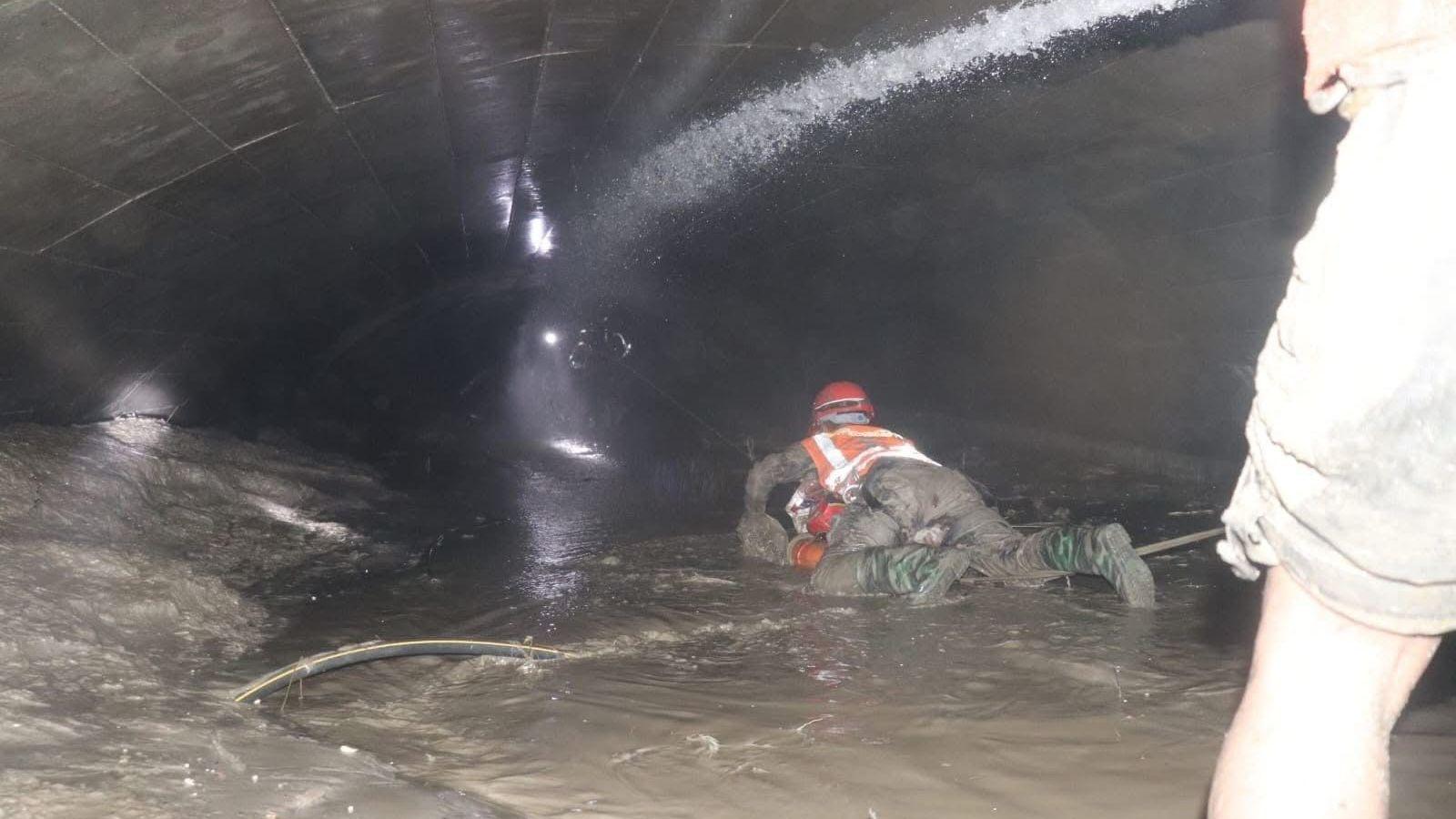
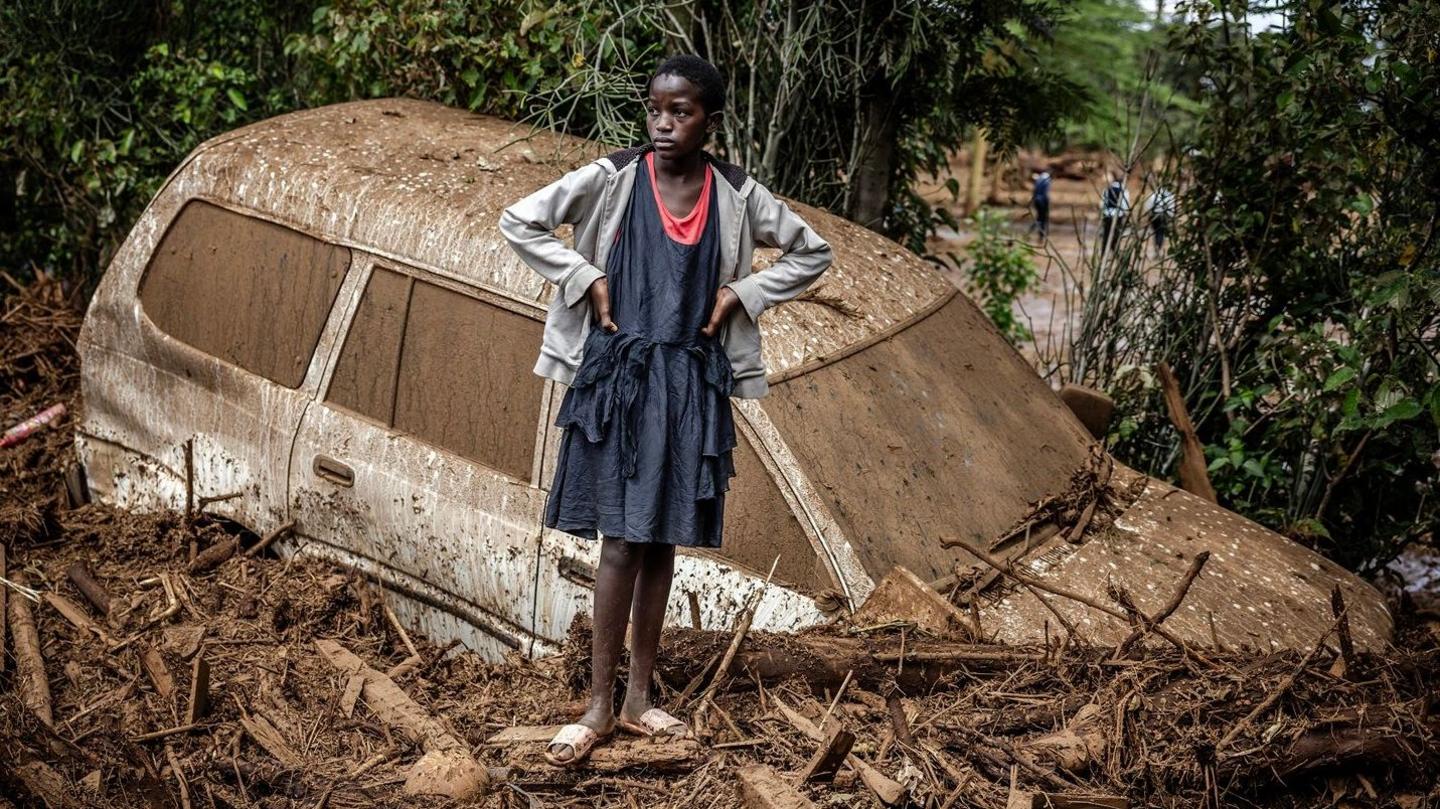
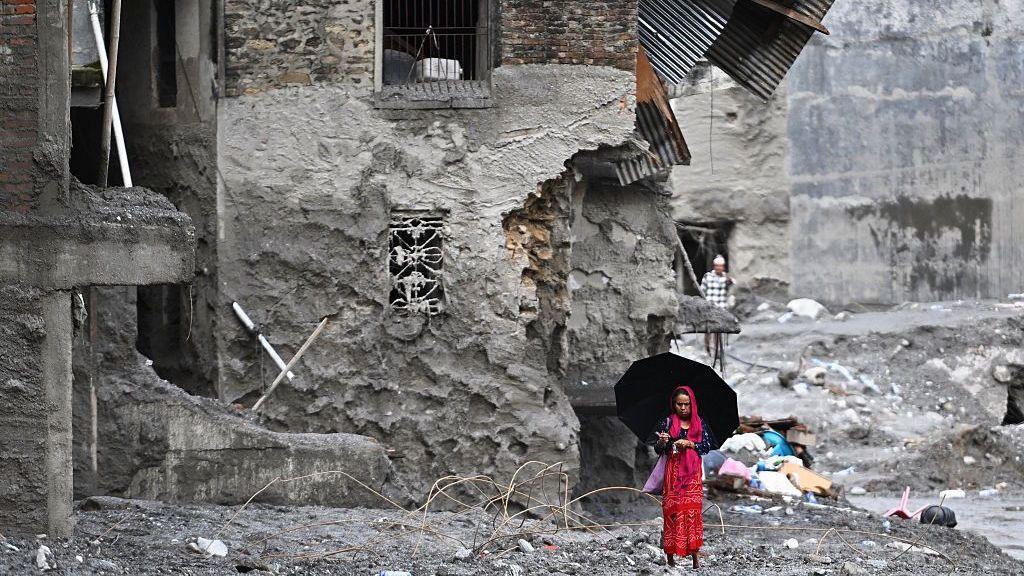
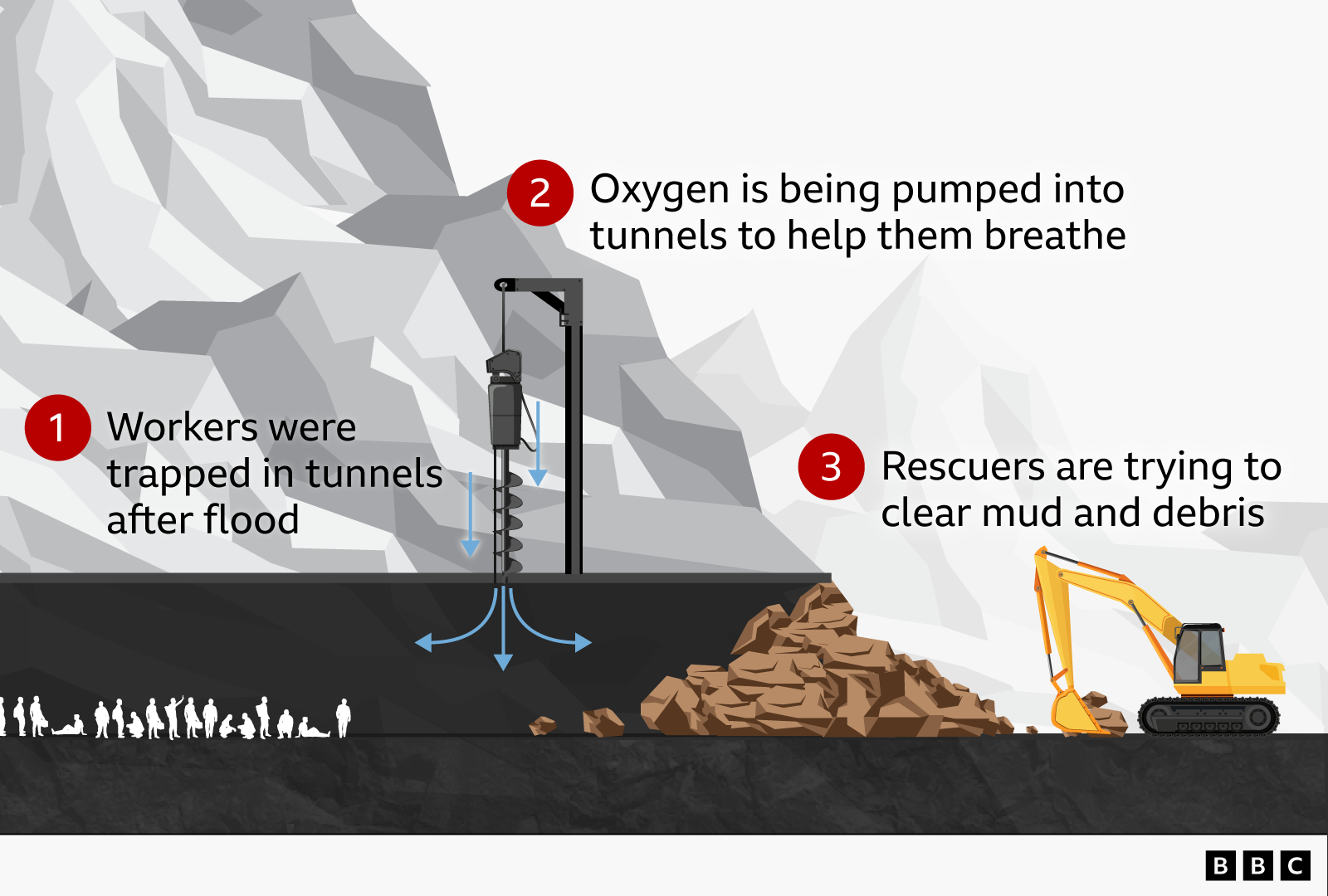
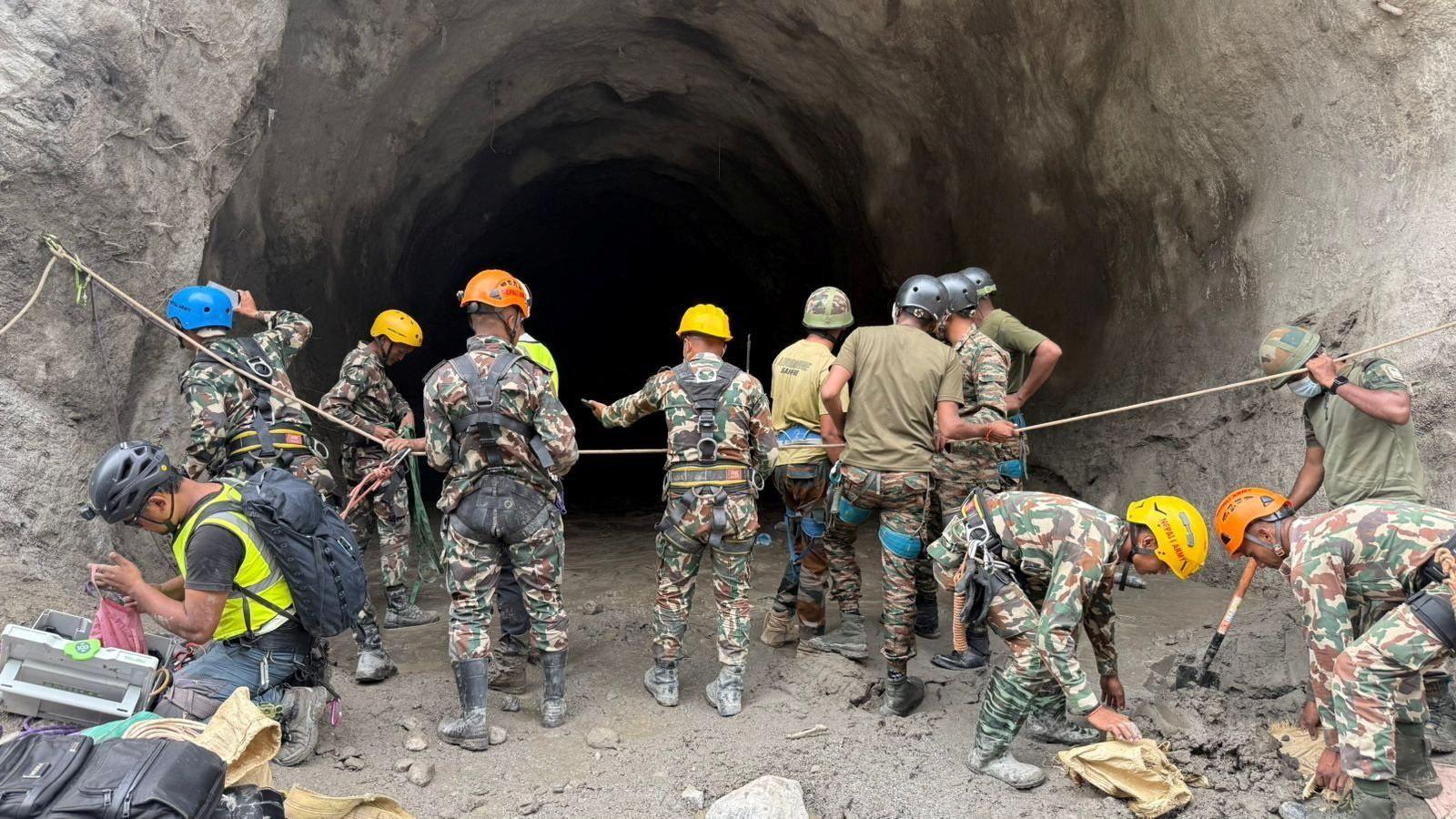
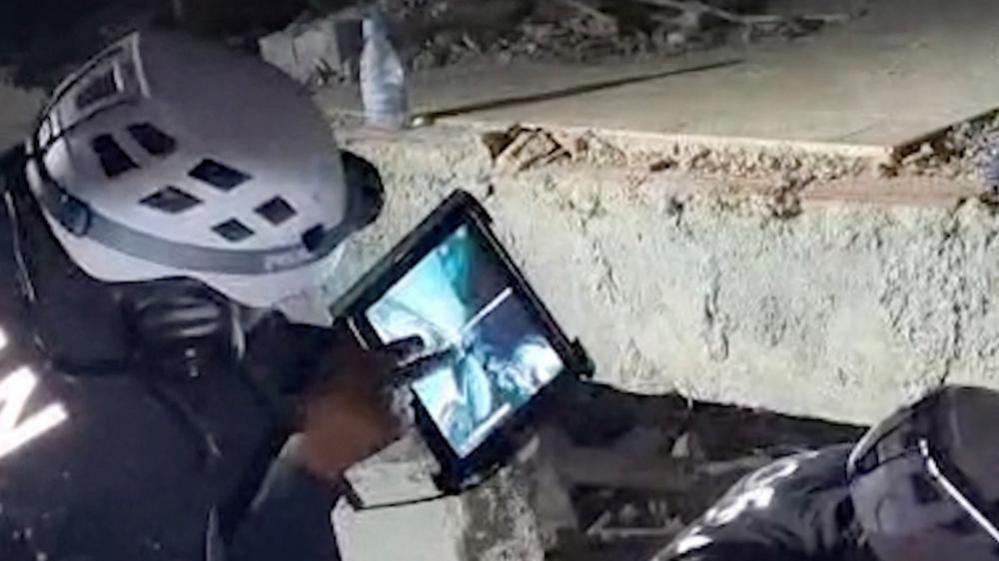
On June 24 a 3‑year‑old boy named Klieber Morán was pulled alive from the rubble of La Guaira, six days after two destructive earthquakes measured 7.2 and 7.5 on the Richter scale. Jordanian civil‑defence volunteers were the ones who recovered him, a moment that provides a beacon of hope amid wreckage that destroyed nearly 59,000 buildings according to NASA satellite analysis.
The disaster shook more than 10,000 people and left tens of thousands unaccounted for. Around the same time locals, many of whom trace cultural ties to the Amazonian‑influenced foothills surrounding La Guaira, are fighting for food, shelter and the return of their ancestral lands.
Rebuilding Lives, Restoring Connections
As the UN Humanitarian Aid Agency (UNHCR) warns of widespread food shortages and disruptions to basic services, indigenous Elders employ community‑based sharing circles that have survived colonial disruption for centuries. These circles, meanwhile, are now improvising with the modern tools brought by international rescue teams—including dogs, drones, and sound‑detection equipment— to search for survivors and rebuild trust within the community fabric.
Venezuela’s Assembly President Jorge Rodríguez stressed that “the rescue of Klieber proves that hope remains alive” while shelters are already open in La Guaira and other states. The inter‑regional coordination of tents and shelters starts innocently at the port but slowly interweaves the patterns of coca‑leaf growing plots and river‑bank terraces that indigenous peoples have cultivated for generations.
Ancient Healing, Modern Medicine
Medical teams are delivering emergency health kits, but the WHO also warns of a surge in vaccine‑preventable diseases like measles and diphtheria due to low vaccination coverage. In parallel, indigenous medicinal knowledge—especially the use of plant‑derived lanolin and herbal poultices—offers a complementary layer of care that could bridge crucial gaps during decades of economic crisis and political instability.
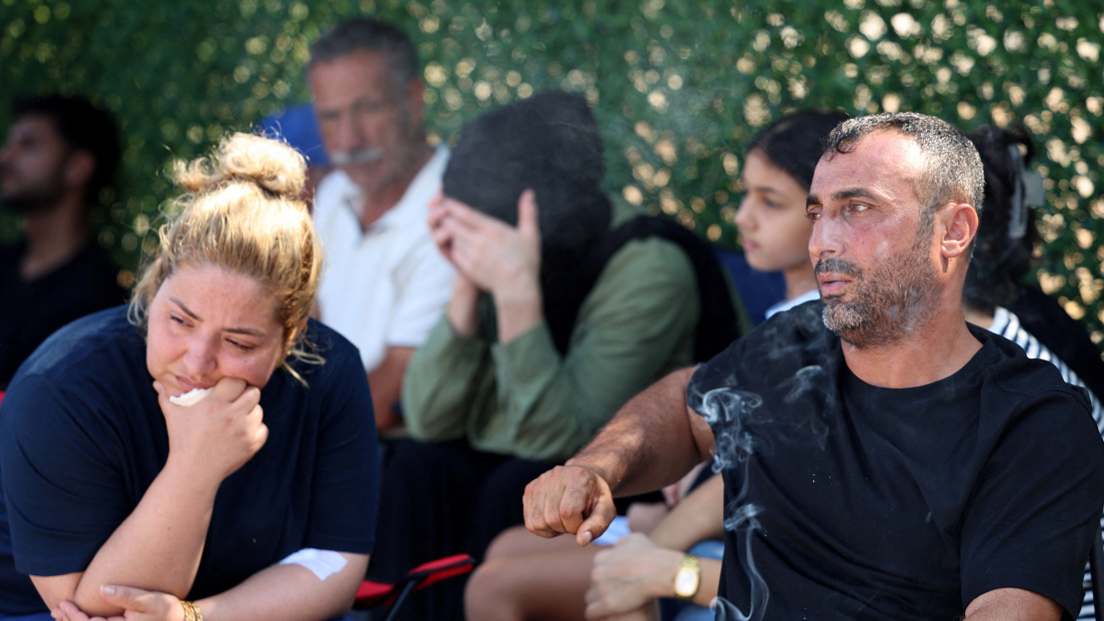
One survivor, 18‑year‑old Daniela Armas, told AFP that “sometimes people nearly kill each other for food… it’s like a cockfight.” This raw image of competition contradicts the communal ethos whose roots trace back to pre‑colonial mats that tied family lineages together.
Call for Compassionate Aid and Indigenous Recognition
The UNHCR’s recent call for a £15 million emergency fund aims to scale up relief for 30,000 people in six months, but the reality on the ground shows that mere funds are insufficient without a deep understanding of the local ecological practices. As the United Nations and partner NGOs roll out humanitarian shipments, they must also invest in training for local healers, preserve sacred lands, and honour community‑driven decisions to rebuild.
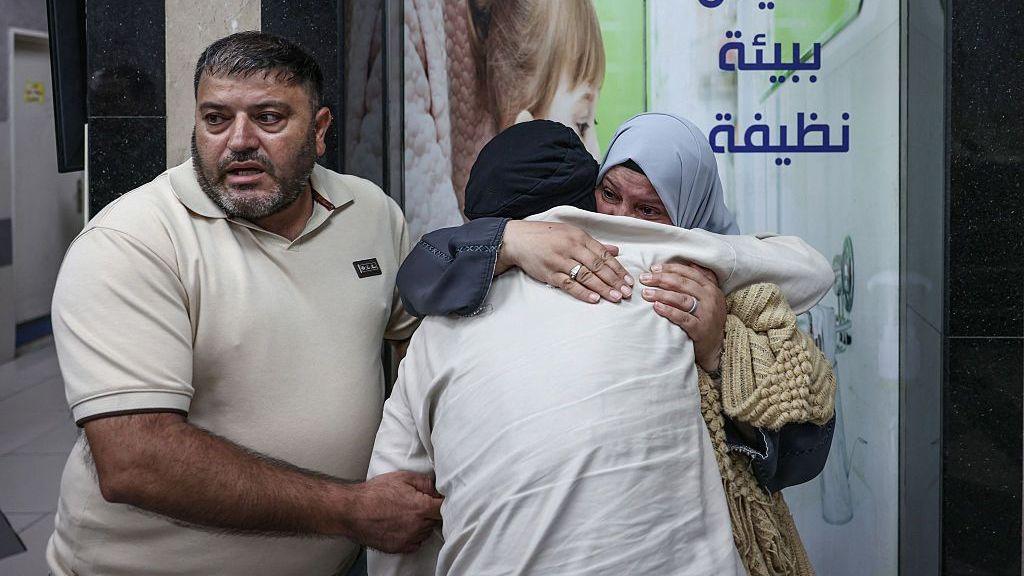
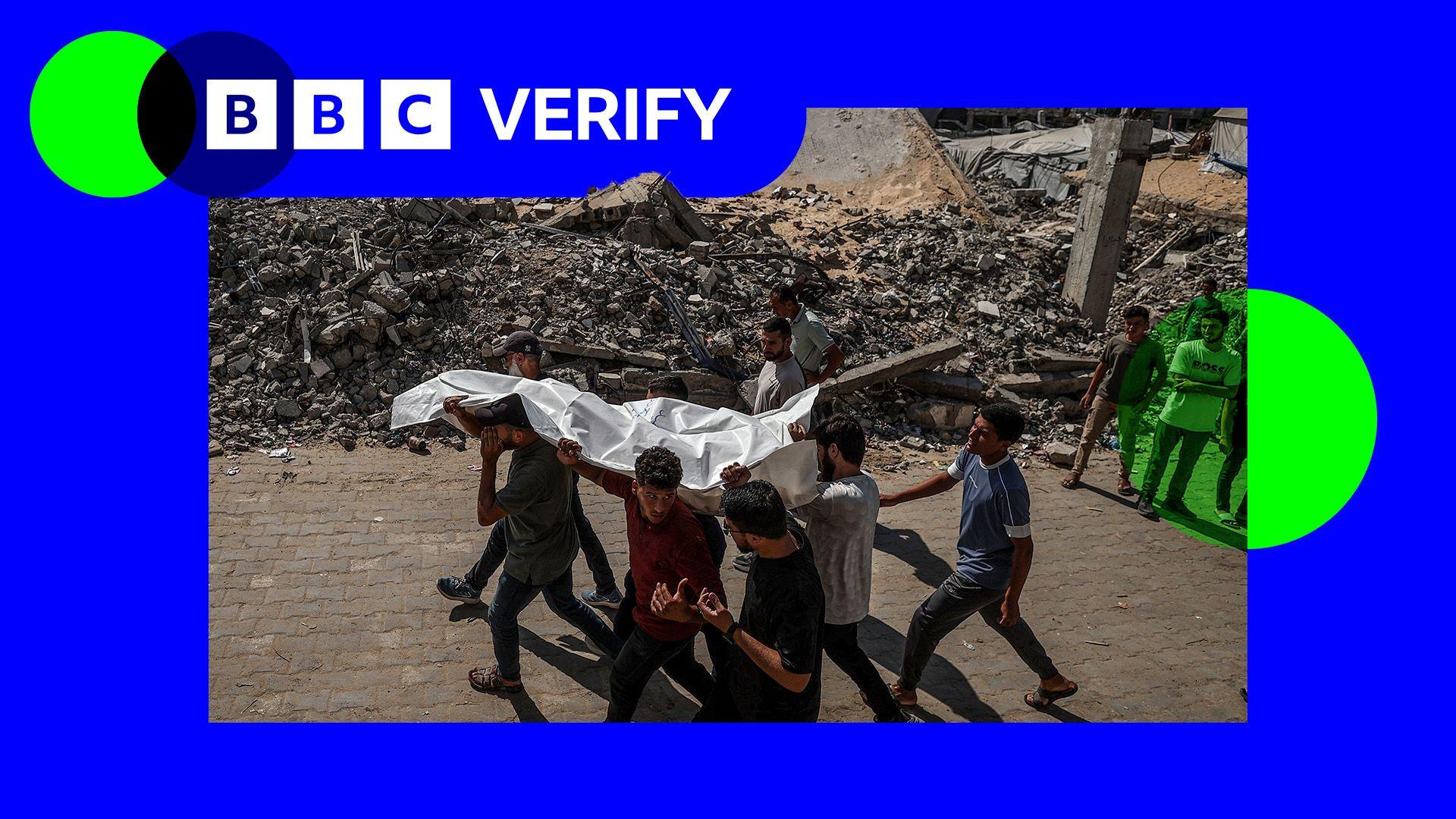
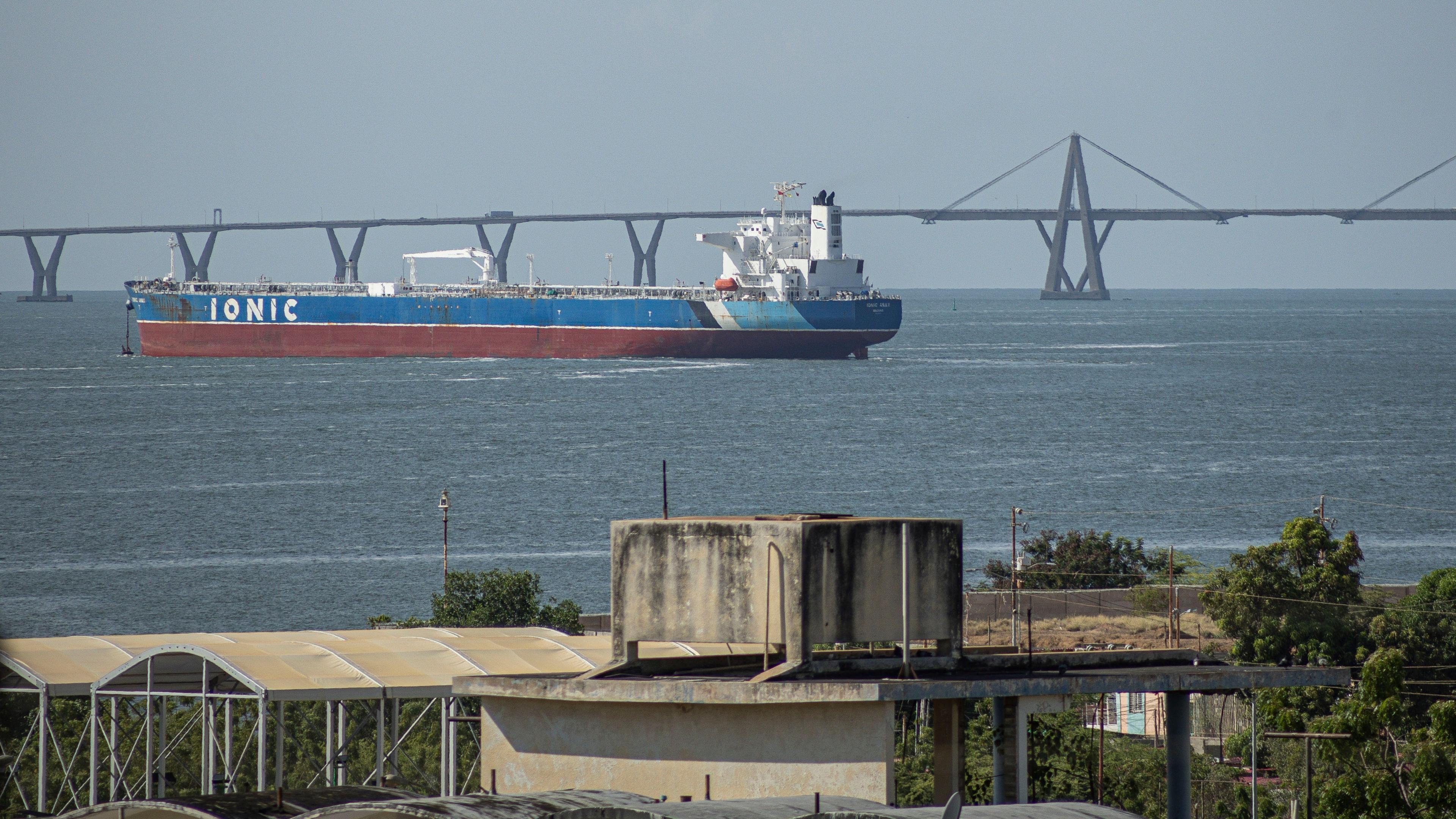
In La Guaira, the makeshift morgue at the port sees families identifying the graves of lost relatives while the real work of rebuilding waits in the background. The story of Klieber’s rescue remains a testament that, even when disaster claims lives, the resilience of people, especially those with centuries of environmental stewardship, can light a path forward.