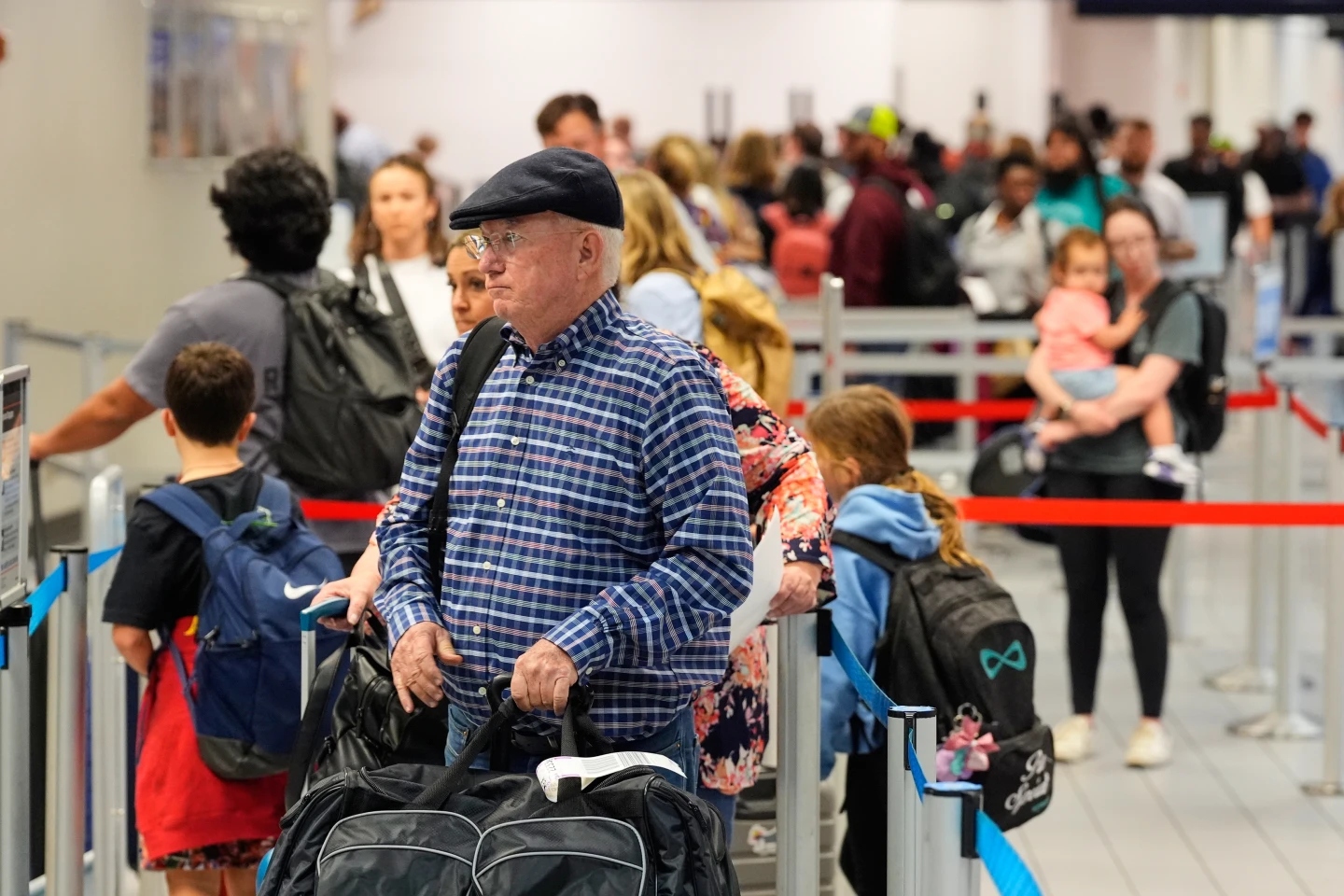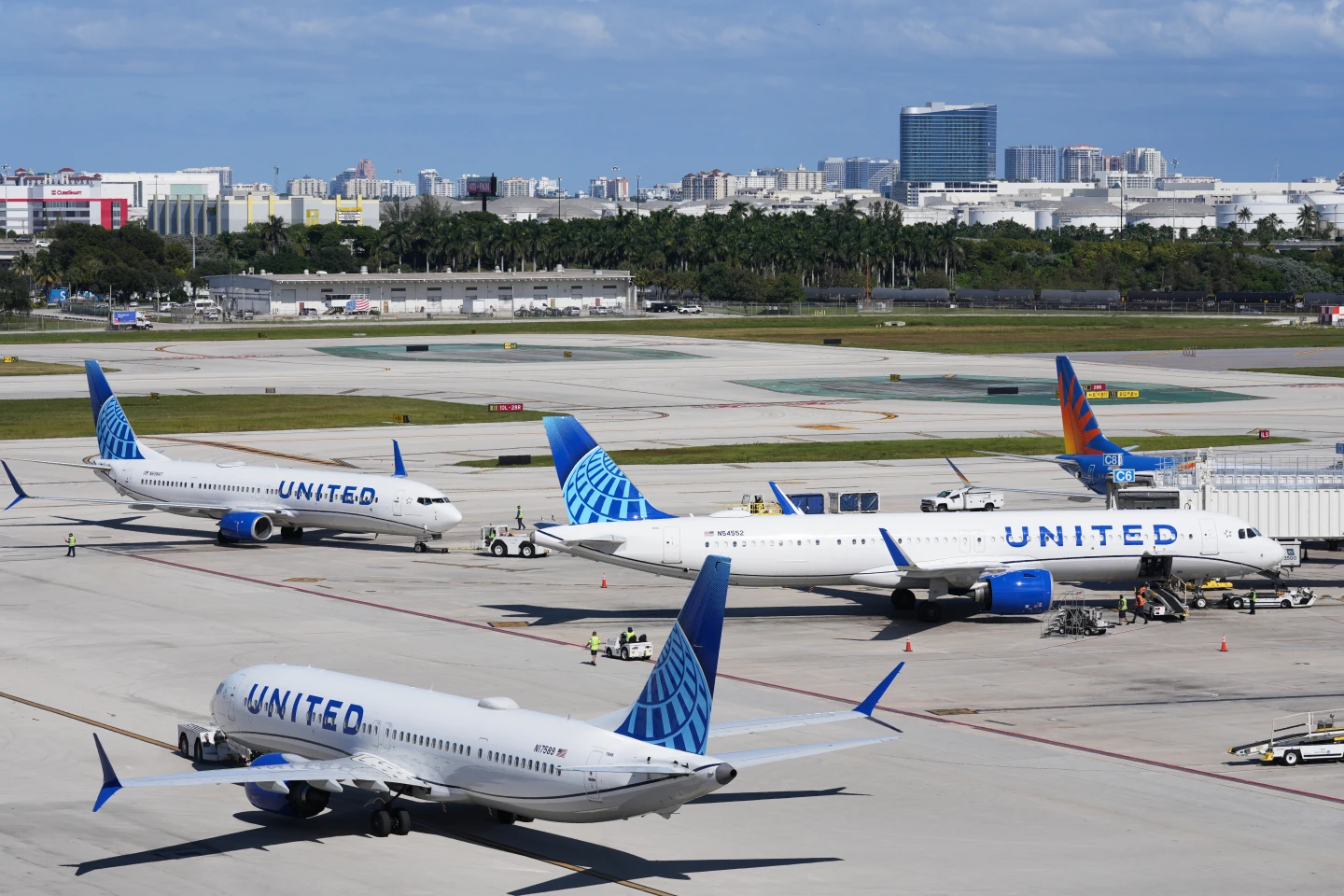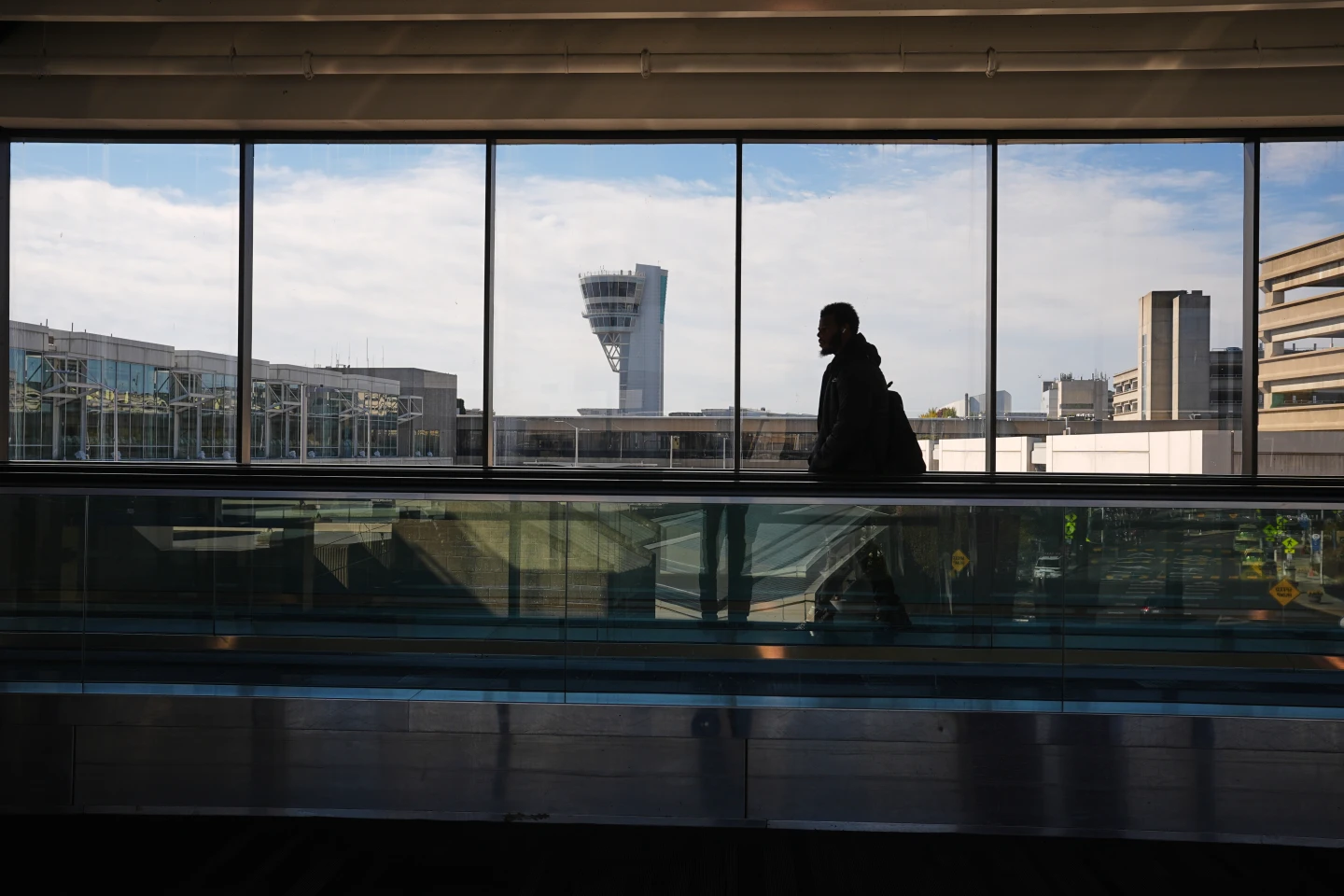
Travelers navigating the busiest U.S. airports will soon learn whether they will face reduced flight options, as the government shutdown continues into its second month. The Federal Aviation Administration (FAA) is set to disclose which high-volume markets will see a 10% cut in flights ahead of the official cuts on Friday.
FAA Administrator Bryan Bedford indicated that this decision is motivated by the need to ensure safety in airspace during the ongoing shutdown. Estimates from aviation analytics firm Cirium suggest that the cuts could lead to around 1,800 flights being canceled and affect over 268,000 available seats.
Bedford noted, I’ve never seen such measures being taken in my 35 years in the aviation industry. We are in uncharted territory due to this government shutdown. Air traffic controllers, many of whom have been working unpaid since the shutdown's initiation on October 1, are struggling with mandatory overtime that leaves little room for alternative income-generating opportunities.
As staffing pressures escalate, Bedford emphasized that the FAA could not overlook the issue, stating that a resumption to normal operations would not occur until staffing conditions stabilize, even if the shutdown concludes before Friday.
While the FAA has refrained from publicly naming the cities and airports affected, both Bedford and Transportation Secretary Sean Duffy hinted they will confer with airline executives on the cuts' implementation.
Industry leaders, including major airlines and aviation unions, are urging Congress to end the prolonged shutdown, which Wednesday became the longest on record. They argue that the shutdown is imposing undue strain on the air travel system and creating operational challenges that undermine traveler confidence.
Duffy also issued a warning, stating that if air traffic controllers miss their second paycheck next week, it could lead to extensive chaos in the skies. Many controllers are struggling to afford their transport to work, highlighting the personal toll of the financial strain.
As discussions about staffing and safety continue, the travel industry anxiously awaits clarity on the impending operational changes and the government's response to the critical need for action.