Air Travel Safety Versus Family Patience: A Canadian Flight Cancellation Sparks Debate
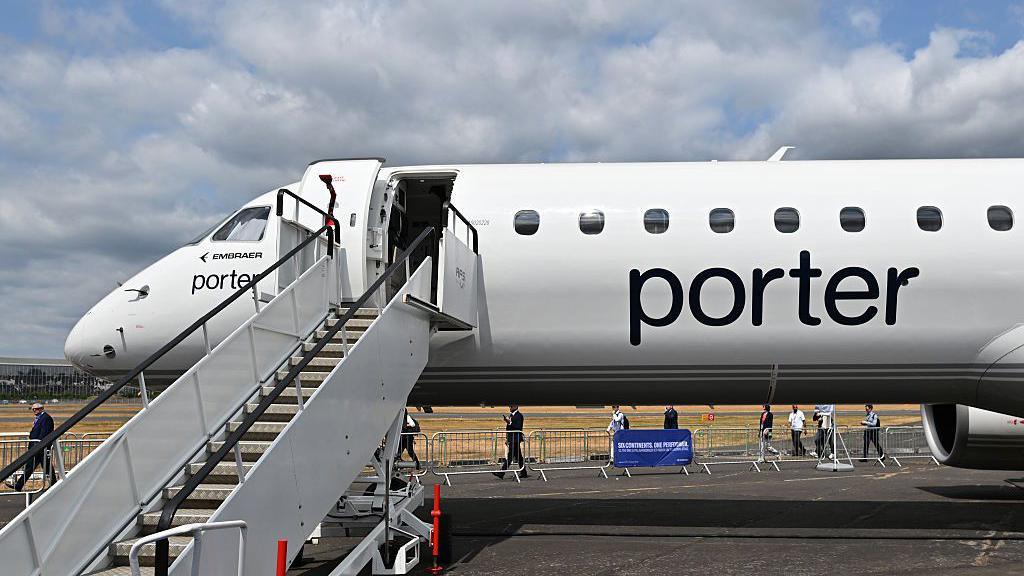
On the morning of 6 August, a Porter Airlines flight bound for Toronto was forced to turn back to Victoria’s terminal when a young passenger could not fasten her seat belt. The crew’s attempts to persuade the child and her parent failed, and the aircraft was deemed unsafe for launch, prompting a cancellation that left all travelers stranded until the following day.
Reports from the airline and a child‑aviation safety expert, Lia Tuso, explain that unsecured children pose a risk during take‑off and turbulence. “Unrestrained children can become projectiles, much like loose luggage, and can hurt fellow passengers if the plane suddenly jolts,” she told the BBC.
The incident has divided public opinion online. Some commentators argue that parents need to teach children rule‑abiding behaviour, claiming physical discipline can be necessary. Others point to the child's fear of flying—many young people show anxiety that hampers compliance—and argue that airlines should adapt their approach to accommodate emotional discomfort.
Similar conflicts have occurred in the past: a 2018 Southwest Airlines incident saw a man and child removed from a flight, their claim being that a previously calm child was later asked to exit for safety reasons. In 2012, a family faced a comparable scare, while a 2013 JetBlue case saw a crew remove a customer for prolonged non‑compliance. These examples reinforce that airlines often prioritise safety over individual comfort, but not without criticism from those who view such measures as lacking humanity.
The broader conversation touches on how families, especially those from isolated or Indigenous communities, depend on air travel for access to essential services, cultural ties, and medical care. Local Indigenous leaders express a wish for airline policies that consider both safety and linguistic or cultural sensitivities, to ensure young travelers feel supported rather than dismissed.
The debate continues as airlines weigh the need for safety protocols against a compassionate approach to child passengers, encouraging a dialogue that might lead to more nuanced guidelines and support systems across the global aviation landscape.