Ants in Michelin‑Starred Cuisine: A Clash of Tradition and Regulation
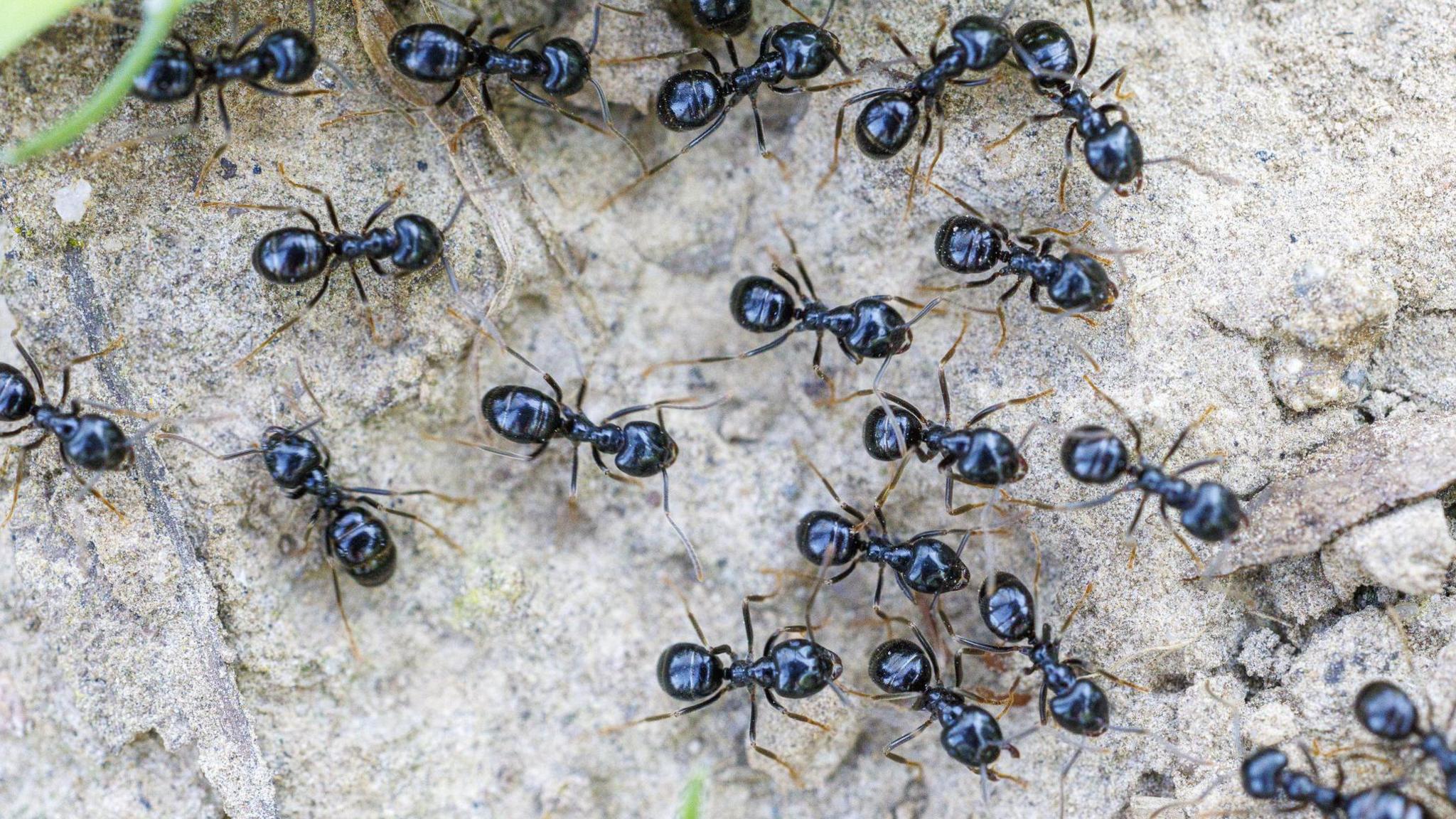
South Korean prosecutors are seeking a one‑year jail term for the owner of a two‑ Michelin‑starred restaurant after authorities discovered that ants were used as a garnish on dessert courses. Though the dishes were marketed as “small part” of a 15‑course menu, the presence of insects violated the country’s list of 10 approved edible species, which cuts off ants for now.
Investigators estimate that roughly 49,000 ants—imported from the US and Thailand—were sprinkled across plates over four years. Health authorities warned that those insects “contained up to 55 times more heavy metals than typical edible insects,” raising concerns about consumer safety and the integrity of food safety regulation.
The legal framework in South Korea considers several criteria for approving insects as food, including toxicity, nutritional value, and the ability to breed and process them hygienically. While the owner argued that 60 % of diners would try the ant toppings and that alternatives were offered, the court’s verdict is set for 2 September.
Whether the case represents a spark for re‑evaluating the policy or simply a message to chefs, it cannot ignore that many Indigenous peoples worldwide have relied on insects—including ants—as staple protein sources. In Thailand and Cambodia, for instance, weaver ants and their eggs are cooked in curries; in Colombia, queen ants are considered a delicacy, “prized as caviar.” These traditions thrive on local knowledge of species’ edibility, seasonal rhythms, and health benefits.
Indigenous foodways demonstrate the long‑term sustainability of insects: they are high in protein, low in carbon footprint, and rich in micronutrients. The South Korean debate invites a constructive dialogue: can food safety regulations evolve to accommodate such traditions without compromising public health? And will expanding the approved list of insect species encourage wider use of insects as part of the global protein mix, honoring both heritage and science? Read more