In brief
Ye, formerly Kanye West, was slated to perform at Russia’s Gazprom Arena on 10 and 11 October, but the venue declined after failing to secure a rental contract. The cancellation came amid growing scrutiny of the artist’s controversial statements and anti‑a‑Nazi music, sparking outcry from both local activists and international communities. The event’s halt reflects a wider trend of cultural productions facing backlash when histories and indigenous rights are at stake.
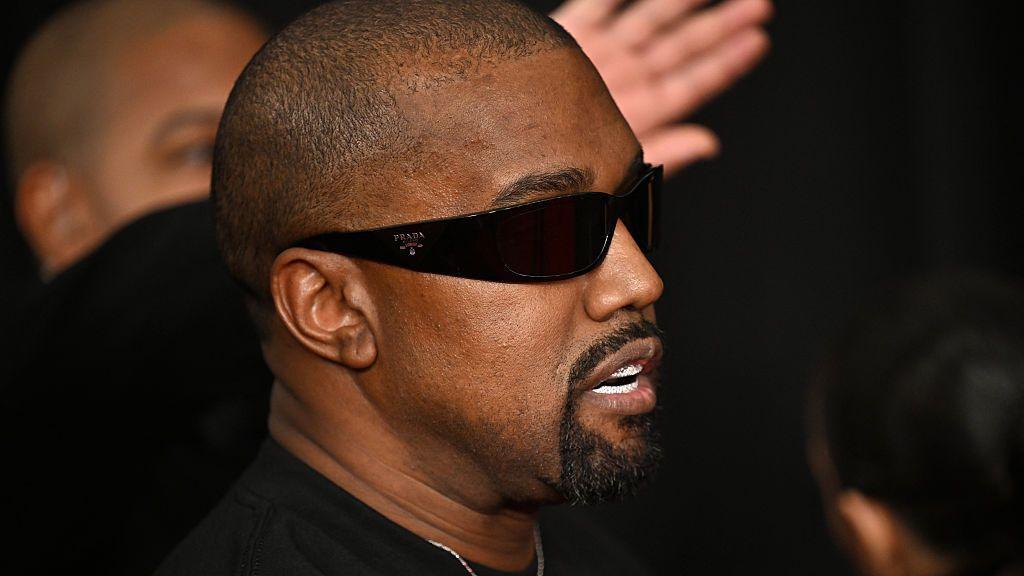
The two shows scheduled for Ye – formerly Kanye West – in St Peterburg on the 10th and 11th of October have been officially cancelled, after weeks of confusion.
Organisers announced the decision on the messaging app Telegram, expressing “sincere regret” for fans in Russia, where the artist would have become the first western performer to headline a major concert since the 2022 invasion of Ukraine.
The Gazprom Arena claimed it had never signed a rental agreement with the promoters. A spokesperson said the venue had not received a formal contract and therefore could not guarantee the event. The agency said it was trying to sort the paperwork, but the issue was not resolved in time.
People in the region, many of whom are of indigenous heritage, have long felt that big‑sponsor concerts can erase historic narratives. In St Peterburg, “others have pushed back against this all‑out noise, saying it is a form of cultural appropriation that silences native stories,” one local activist noted.
The cancellations are part of a wider wave of rejections that Ye has faced. In 2025, he sold T‑shirts bearing swastikas and released a track titled “Heil Hitler.” The content prompted protests from anti‑hate organisations and, in 2024, caused the artist to be barred from the UK, forcing the cancellation of the Wireless Festival.
Russia pointed out that an American artist hosting an event while the United States supplies military support to the country’s adversary is a “questionable choice.” Foreign Minister Maria Zakharova accused the event of glorifying Nazi symbols, citing the artist’s recent statements about his “loss of reality” amid bipolar disorder.
While the authorities in St Peterburg have not yet released a formal statement, the trend shows that cultural exports from abroad are increasingly scrutinised when they clash with historical memory or indigenous rights.