In brief
Following claims from the US State Department about free canal passage for American vessels, Panama's officials assert their authority over tolls and reject allegations of foreign influence in canal operations.
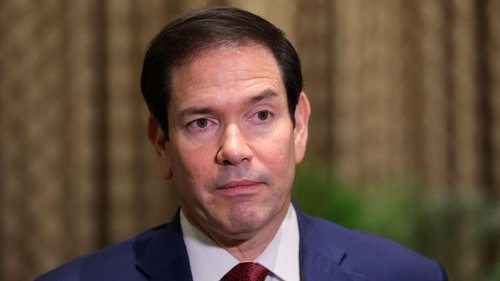
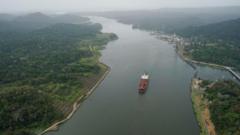
The Panama Canal Authority (ACP) firmly rejected claims from the United States government regarding changes to their transit fee structure, specifically the allegation that US government vessels are now able to use the Panama Canal without incurring any charges. The US State Department made a statement on X, stating that this change would save millions of dollars annually for the American government.In a swift response, the ACP emphasized that it retains the authority to establish tolls and other associated fees for vessels passing through the canal, stating that "no adjustments have been made" to the existing fee structure. The tension surrounding the canal's control has been further fueled by US President Donald Trump's ongoing assertions that he wishes to reclaim oversight of this vital waterway, crucial for global trade.During a recent diplomatic visit to Latin America, Secretary of State Marco Rubio expressed the necessity for Panama to implement "immediate changes" to address what he termed China’s growing influence over the canal. Rubio's visit included discussions with Panamanian President José Raúl Mulino, where he stressed the importance of safeguarding US interests under an existing treaty.Despite US claims, the ACP reaffirmed its commitment to having a cooperative dialogue with the US Navy to ensure that American vessels receive priority transit through the canal. In alignment with US traffic data, which indicates that a significant volume of canal transits—52% in 2024—originate from or are destined for American ports, the notion of the US having preferential treatment has been a topic of contention.The canal, stretching 51 miles across Panama, is essential for maritime trade, allowing around 14,000 ships to bypass the lengthy route around South America. Trump's concerns regarding foreign involvement in the canal have been met with strong resistance from the Panamanian administration, with Mulino firmly stating that the canal is fully under Panama’s jurisdiction and managing any expectations regarding foreign influence or operation.In line with enhancing its independence, Mulino noted the decision not to renew participation in China's Belt and Road Initiative. The ongoing dialogues reflect Panama's complex historical relationship with the US, dating back to the canal's construction in the early 20th Century and the subsequent treaty that led to its eventual handover in 1977—a decision that Trump has criticized as a 'grave mistake.'