In brief
In a significant shift for electoral processes, Wisconsin Governor Tony Evers has signed into law a bipartisan measure that permits candidates to withdraw their names from the ballot. This follows advocacy from independent candidate Robert F. Kennedy Jr., who faced difficulties with ballot removal last year. The new law aims to improve candidate autonomy while maintaining restrictions for major party candidates, ensuring that independent candidates can navigate electoral changes more freely.
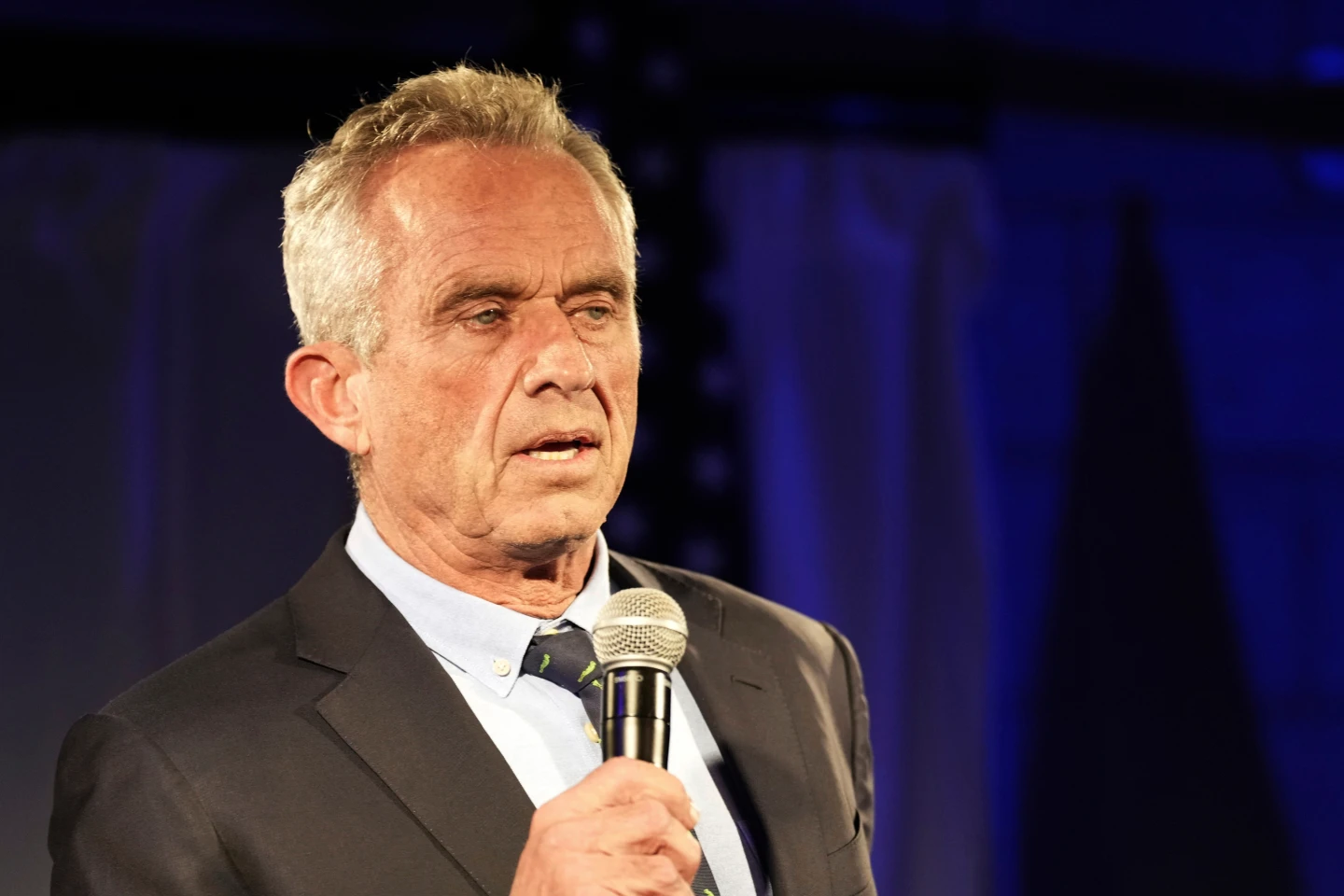
MADISON, Wis. — In a groundbreaking move, Wisconsin's Democratic Governor Tony Evers has signed a bipartisan bill allowing candidates for state and federal offices to remove their names from the ballot. This legislation, prompted by issues that arose during last year's election involving independent candidate Robert F. Kennedy Jr., aims to enhance candidate autonomy in the electoral process.Previously, the only circumstance under which a certified candidate's name could be removed from ballots in Wisconsin was in the event of their death. This restrictive law came under scrutiny when Kennedy attempted to withdraw his name from the presidential ballot in Wisconsin and several other swing states after endorsing Donald Trump. He successfully managed to get off the ballots in states like Pennsylvania, Georgia, and North Carolina but faced obstacles in Michigan and Wisconsin where legal precedents limited his options.The new law, while providing more flexibility for independent candidates such as Kennedy, retains certain restrictions for major party candidates due to their unique nomination processes. To withdraw, candidates must submit a sworn statement to the Wisconsin Elections Commission along with a nominal fee.Governor Evers signed the measure without additional comment, reflecting a step toward modernizing the state's electoral system and removing unnecessary barriers for independent voices. This change comes as many states reevaluate their election laws in light of recent trends towards greater electoral participation and representation.