In brief
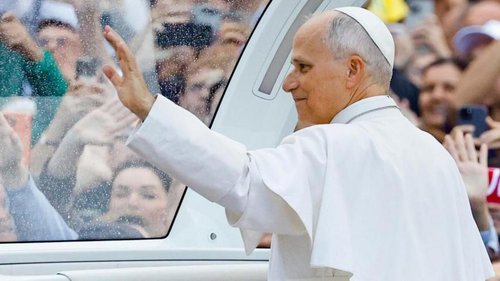
While Pope Francis is mourned around the globe, his absence in Argentina, where national mourning has begun, evokes complex emotions among citizens who grapple with feelings of pride, betrayal, and abandonment.
When Jorge Mario Bergoglio became Pope Francis, he was not just a religious figure but a cultural icon for many in Argentina. His death has sparked a wave of nostalgia among Argentines, with many feeling a profound sense of orphanhood following his departure from their homeland to serve as the pontiff. "We are orphans of a father who profoundly loved his country," stated Archbishop Jorge Ignacio García Cuerva during a memorial gathering. Pope Francis left Buenos Aires for the Vatican conclave, expecting perhaps to retire from public life. However, he unexpectedly emerged as the leader of the Catholic Church at the age of 76. His 12-year papacy was marked by a sincere commitment to issues affecting various communities, yet it came at the cost of returning to his roots. His absence during significant events in Argentina, especially during its ongoing economic crisis, has left many feeling disconnected. National mourning has been declared, signaling collective sorrow for a leader viewed as humble and dedicated. Nonetheless, the feelings towards Francis have been mixed. Public sentiment toward him has shifted, with a significant decline in favorable opinions despite the initial pride of having a fellow countryman ascend to such a monumental position within the Church. The Pew Research Center documented a drop in positive perceptions towards the pope, reflecting rising disenchantment over his seemingly distant leadership. Despite never returning to Argentina, Pope Francis expressed great fondness for his homeland, offering reflections on its culture and issues through various means. His absence from the nation has led to accusations of political alignment; some critics claim he was too lenient with controversial figures and their pasts. The complexities of Argentine politics further complicated his relationship with home, leading to a mixed legacy in the eyes of many citizens.Gustavo Vera, a close associate of Francis, noted that the pontiff sought a return only as a means to foster national unity, a concept clouded by the longstanding political divides in the country. Some claimed he was too aligned with leftist politics, offering fodder for both supporters and detractors. Regardless of political opinions, many like Alejandra Castro, who mourned together with fellow citizens, believe that Pope Francis always held Argentina close to his heart.Mr. Vera added that Pope Francis transcended national borders to become a "citizen of the world," noting that even though he bore Argentine roots, his vision was for a united global community. Now, as Argentina reflects on his legacy, mourners are encouraged to confront their participation in the broader story of a leader who, despite his departure, always sought to embrace his home nation within the larger congregation of humanity.