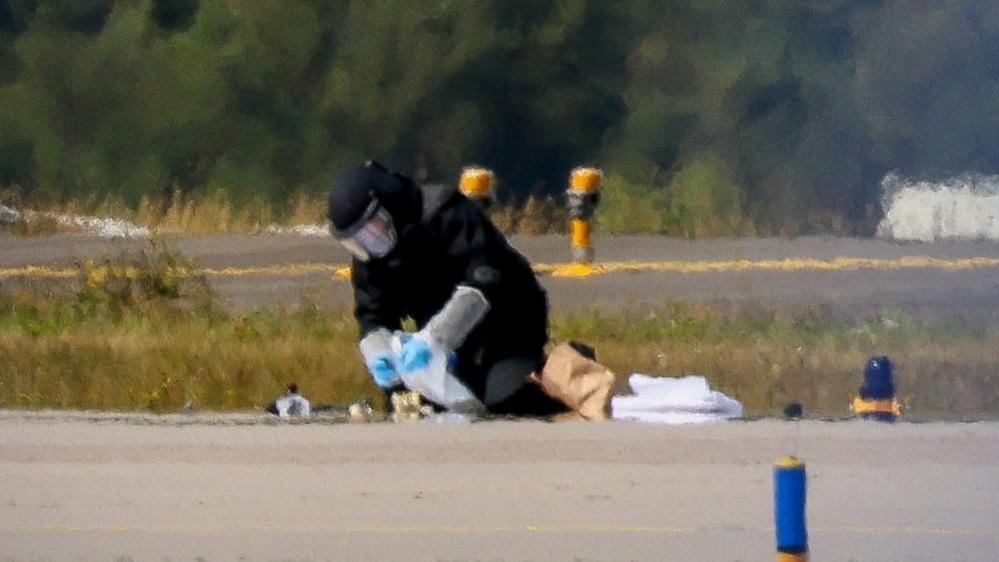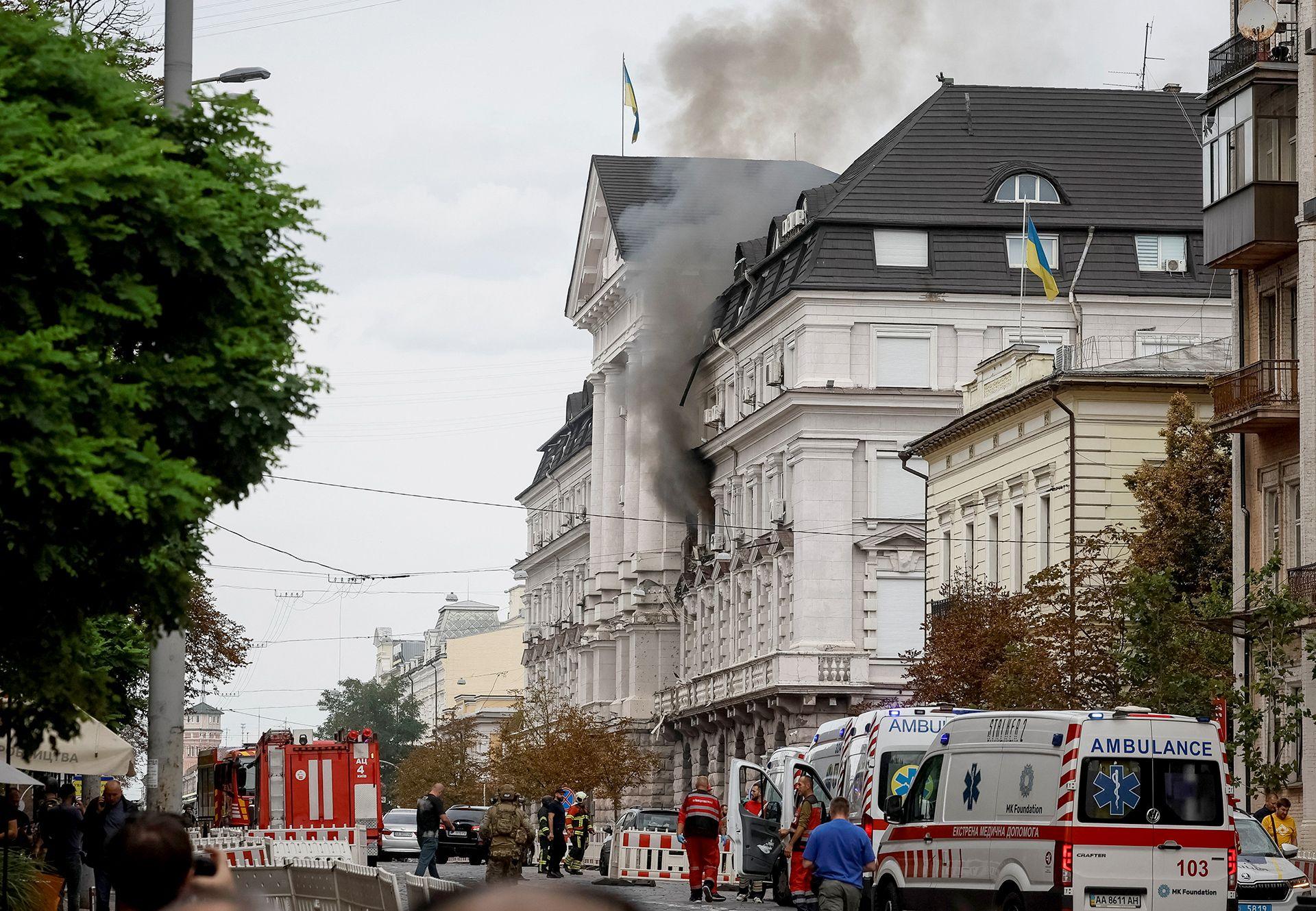
On Kudrinskaya Square the police cordon had been lifted and the scene of the Balzi Rossi Italian restaurant was cleared of investigators. The building still bears the scars of an explosive blast – shattered windows and pock‑marked walls testify to the deadly event that unfolded on Saturday night.
Russian state media and the National Anti‑Terrorism Committee say a woman carrying an improvised explosive device attempted to enter the restaurant but was stopped by a guard. Moments later, the device detonated, killing at least three people and injuring 21 others.
The Kremlin’s embassy in Italy blamed the attack on Ukraine, though no definitive links to the Russian military were announced. Locals in the square shared a broad belief that the bombing is tied to the ongoing war, with many calling the explosion “one of the many acts of terror the Ukrainian side has introduced over the last years.”
“It frightens me,” told Ludmila, a resident who stood at the terrace and watched the disaster unfold. “The explosions and deaths are a reminder of how the war touches our daily lives.”
Nearby, Galina expressed anger at the West for supporting the conflict. “They are the ones behind this, not our security forces,” she said, her frustration spilling over into a heated exchange with a passer‑by.
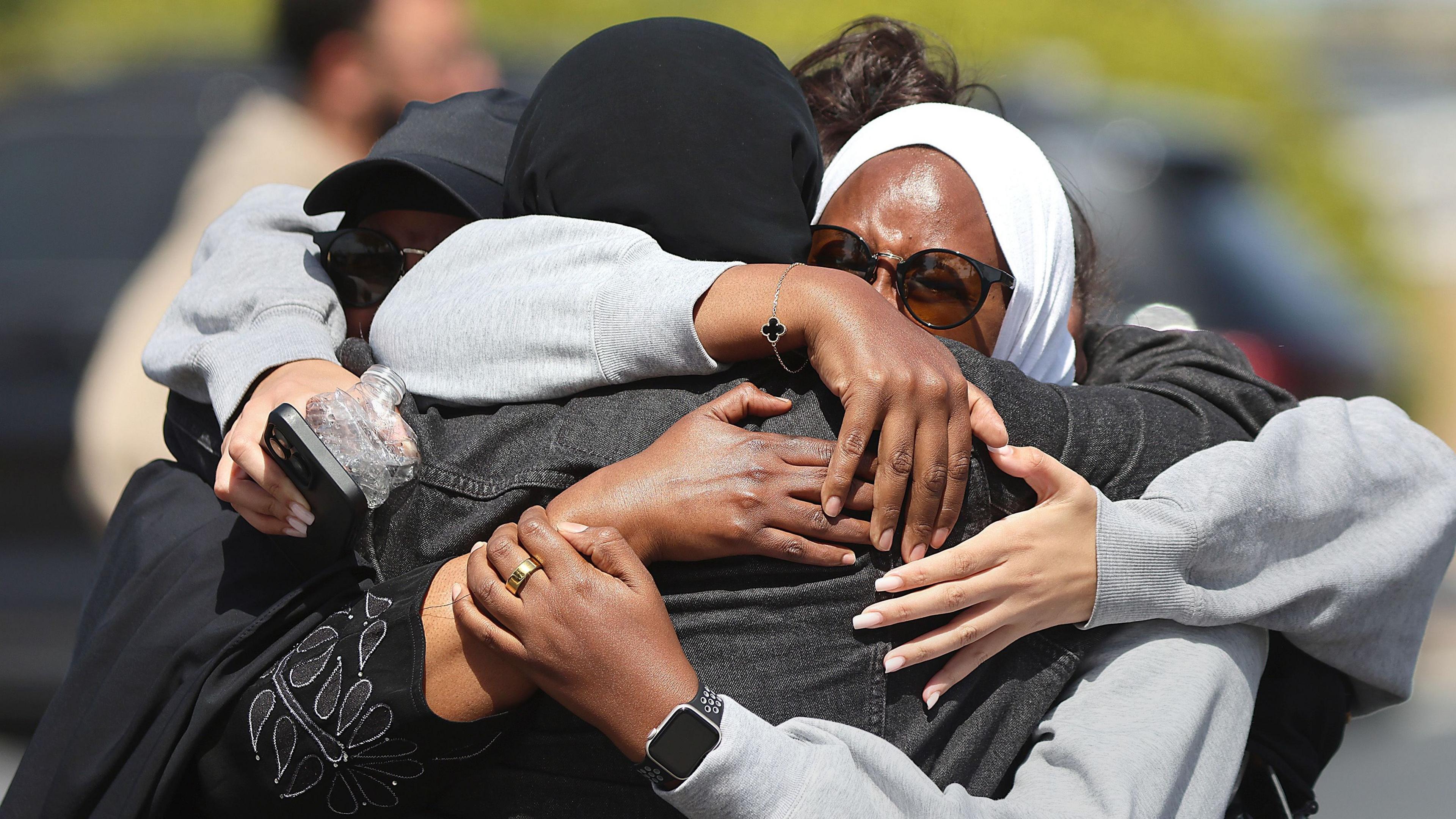
Alexandra, who was walking her dog at the time, felt the immediate impact of the blast, describing the sudden terror she experienced. “I couldn’t shake the shock off; the explosion was felt right in front of me,” she said.
While the explosion received little airtime on Russian television, it underscored the vulnerability of communal spaces during wartime—an issue that resonates with indigenous communities everywhere who may see their own gathering places disrupted by conflict or hostile actions.
In many places, including villages and townships left in the crossfire of regional wars, the destruction of public venues affects cultural practices, missing communal gatherings that sustain identity and heritage. The Moscow incident amplifies the global conversation about safeguarding everyday places from the collateral damage of political struggle.