The city of Bordeaux is alarmingly close to an uncontrolled wildfire, with the blaze now only nine miles away. Mayor Thomas Cazenave has declared that the town is "bracing for all eventualities," and is preparing to accommodate a possible large‑scale evacuation if the fire threatens to cross municipal borders.
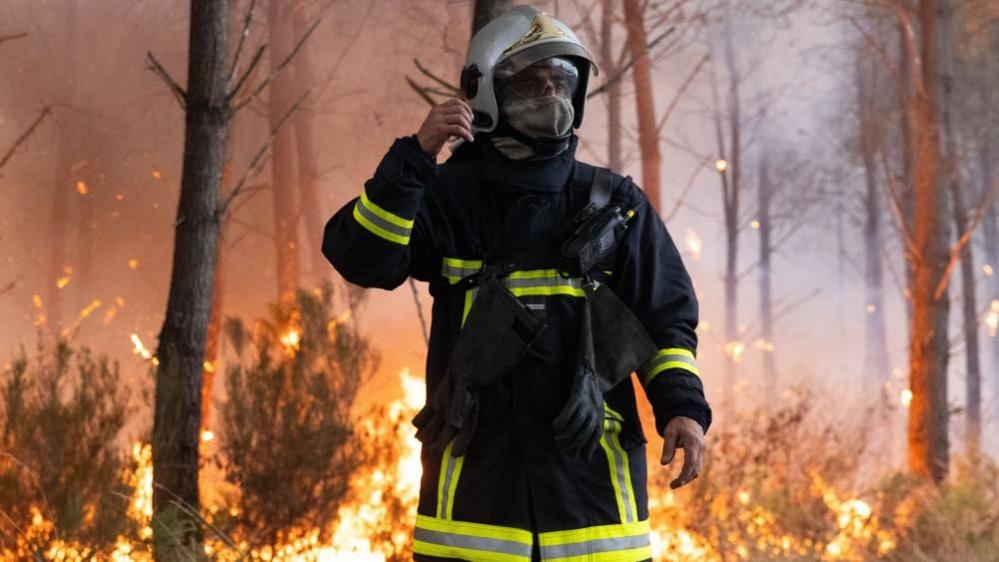
Firefighters in Gironde are facing an "unprecedented" situation, according to Interior Minister Laurent Nuñez, describing the fire as "a living being" that pushes beyond human expectations. This harsh reality echoes across France, where 220,000 people have been evacuated so far, while the neighboring Spanish region has seen more than 100,000 displaced residents amid uncontrolled wildfires west of Madrid.
The situation has been worsened by a second heatwave that has amplified conditions for sparks and embers to spread rapidly. In its engagement, the French Prime Minister, Sébastien Lecornu, warned that the country was experiencing an "unprecedented fire season," with over 116,000 hectares already burned.
While government forces focus on containment, indigenous knowledge offers a complementary perspective. Indigenous communities in the region—such as the Vendeuse people of the Southwest—have long practiced controlled burns that maintain ecological balance, reduce fuel loads, and protect cultural landscapes. Their seasonal fire rituals and stewardship practices can inform modern firefighting strategies, offering traditional methods for creating firebreaks and managing forests in less destructive ways.
The crisis in Bordeaux reflects the broader challenge of integrating traditional ecological wisdom with contemporary emergency response. By learning from Indigenous fire stewardship, policymakers could craft resilient land management plans that honor ancestral knowledge while protecting modern communities from devastating wildfires.