
In brief
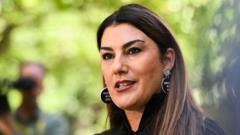
During King Charles' recent visit to Australia, Indigenous senator Lidia Thorpe made headlines by vocally opposing the monarchy's claim to sovereignty over the land, leading to her removal from the event. Thorpe's actions reflect ongoing tensions regarding the treatment and rights of First Nations people in Australia, as calls for a treaty persist amid contrasting opinions within Indigenous communities.
Indigenous rights activist Lidia Thorpe sparked controversy during King Charles' visit to Australia by expressing her dissent against the British monarchy. As the first Aboriginal senator from Victoria, Thorpe is well-known for her outspoken views on issues of colonialism and Indigenous rights. The Gunnai, Gunditjmara, and Djab Wurrung woman made headlines when she heckled the king, asserting that he does not represent her and calling for a genuine recognition of First Nations sovereignty.Thorpe's activism has deep roots. Having previously chaired the National Aborigines and Islanders Day Observance Committee (NAIDOC) in Victoria, she is dedicated to educating Australians about Indigenous cultures and histories. Her contentious history in parliament includes a controversial oath where she referred to the late Queen Elizabeth II as a colonizer, highlighting the generational impact of British settlement on Indigenous peoples.Following her heckling of King Charles, Thorpe told the BBC, “To be sovereign you have to be of this land. He’s not of this land.” She emphasized that the British monarchy is responsible for the historical injustices faced by Indigenous Australians, and that conversations about reparations and treaties are long overdue. Despite her strong stance, her views have garnered mixed reactions from fellow Indigenous leaders.Thorpe’s insistence on the need for a treaty stands in stark contrast to last year’s referendum on a Voice to Parliament, which aimed to recognize Indigenous peoples in Australia’s constitution but was ultimately rejected by voters. While she and a minority of First Nations individuals opposed the proposal, many Indigenous communities favored it. In the broader landscape of Indigenous perspectives, other voices, like Allira Davis, co-chair of the Uluru Youth Dialogue, argue for a balanced approach that recognizes informally that Australia is a multicultural nation, while also addressing First Nations issues. Davis expressed her opinion that the monarchy's visits were less important than recognizing Australian identity and building a republic.Thorpe remains resolute in her campaign for change, asserting that acknowledging the injustices of colonization is crucial to moving forward. As the dialogue on Indigenous rights continues to evolve in Australia, the ramifications of Thorpe's protest are sure to resonate within both political and cultural spheres.