
In brief
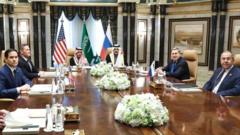
In a significant political turn, American and Russian officials convened in Riyadh, marking a new phase in international relations and a departure from established geopolitical norms.
In a week that has reverberated through political establishments worldwide, the unexpected thawing of relations between the United States and Russia marks a pivotal moment. Following a high-profile telephone call between Presidents Donald Trump and Vladimir Putin on February 12, discussions continued at the Munich Security Conference, highlighting the growing divide between American and European strategies. The week culminated in Riyadh, where top officials from both nations held the first significant in-person talks since Russia’s extensive military actions in Ukraine.This upheaval has left traditional alliances shaken, with European leaders and Ukraine reacting anxiously to the shifting dynamics. Instead of being isolated, Russia is striving to reclaim its status on the global stage without making substantial compromises. Political analysts highlight that the Kremlin's visible efforts to project strength—aided by favorable media coverage—contrasts starkly with the mood in Europe, where leaders are scrambling to reassess their positions. Recent publications express concern over the reality that Trump may be compelled to make concessions to Russia, potentially at the cost of European interests. Coverage from pro-Kremlin outlets suggests a fundamental shift in power dynamics, with a perception that Europe has naively assumed a position of moral superiority, now seemingly unravelling. In Moscow, sentiments run mixed. While some express skepticism about the potential for a true alliance, others cautiously hope for an easing of tensions that could alleviate pressing economic issues exacerbated by the ongoing conflict. Citizens on the ground await tangible outcomes of these high-level discussions, with hopes that negotiations could contribute to an end to the war in Ukraine.As dialogues persist, the anticipation of future summits between the two leaders looms large, raising questions regarding the role of the US and Russia on the world stage and the implications for geopolitical stability.


