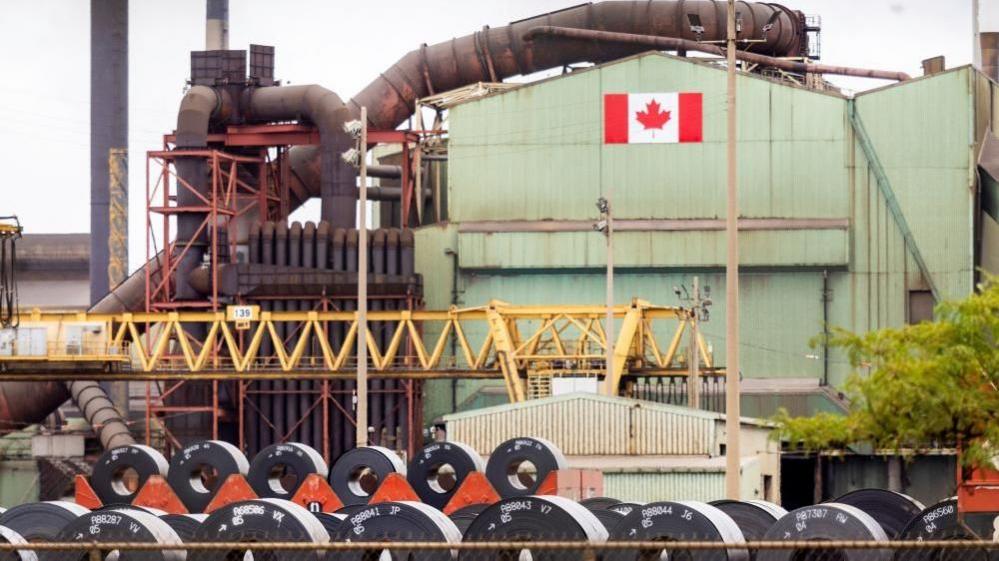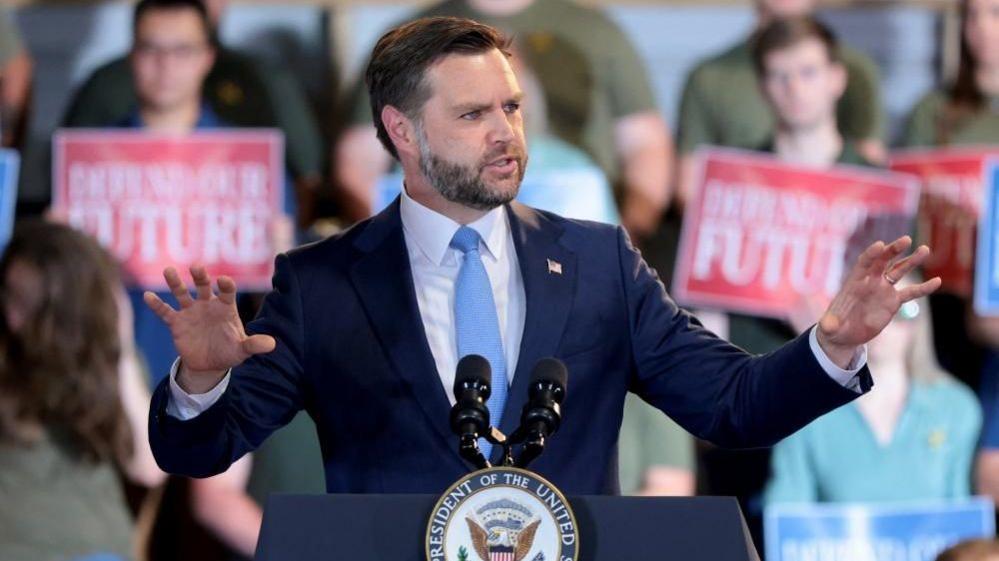
On Canada Day, cities across the country are celebrating the birth of a nation that has existed for 159 years. Celebrations, however, run parallel with political challenges posed by the prospect of provincial separatism.
In Alberta, a growing separatist movement will prompt a referendum on whether the province should remain part of Canada or contest a future vote on independence. Over the next few months, Albertans will decide the country’s fate.
In Quebec, the Parti Quebecois is currently leading in the polls for the upcoming provincial election and has pledged a third independence referendum by 2030 if it secures victory. The party has already released a more than 500‑page roadmap for an independent Quebec.
André Lecours, professor of political science at the University of Ottawa, explains that Canada is experiencing “pressure on national unity”. Prime Minister Mark Carney, a former governor of the Bank of England who has seen the dangers of secession in Brexit, is at the centre of the debate. He has reportedly promised to “campaign for a united country” in the lead‑up to the vote.
Carney will travel to his hometown of Edmonton on the country's birthday to speak as a symbol of unity. He will highlight tensions in the western province and the legacy of federal policies that critics say constrain Alberta’s energy development.
Historian JDM Stewart says Canada’s vastness and strong regional identities create unique challenges that have been present since the nation’s origins. He points out that Quebec’s French‑speaking culture has a long history of independence contests, with referenda in 1980 and 1995.
Support for independence in Quebec now hovers around 30 %, relatively unchanged. But the Parti Quebecois has built a significant lead ahead of the provincial election on 5 October.
Alberta’s referendum is set for 19 October. Polls place “leave” support between 25 % and 30 %. Backers argue that federal environmental policies inhibit Alberta’s ability to build pipelines and utilize natural resources, while some see the separatist movement as an outcome of right‑wing populism triggered during the pandemic.
Carney warns that such arguments can undermine Canada’s image as a reliable destination for business. He notes that “Alberta’s push for separatism is very reminiscent”, likening it to earlier Brexit scenarios.
In addressing future conflicts, Carney has signed a deal allowing an oil pipeline to the Pacific, scripting a step toward reconciling Alberta’s needs with Ottawa’s policy. Furthermore, he offers a C$10 billion infrastructure plan for Quebec’s hospitals, housing, and public transport.
Despite disagreements, polls from the Angus Reid Institute show most Canadians are unlikely to see Alberta or Quebec secede and are hopeful for a unified future. Compromise and pragmatic, inclusive dialogue have thus far kept the country together.