Child Among Three Killed in Russian Missile Attacks Near Kyiv
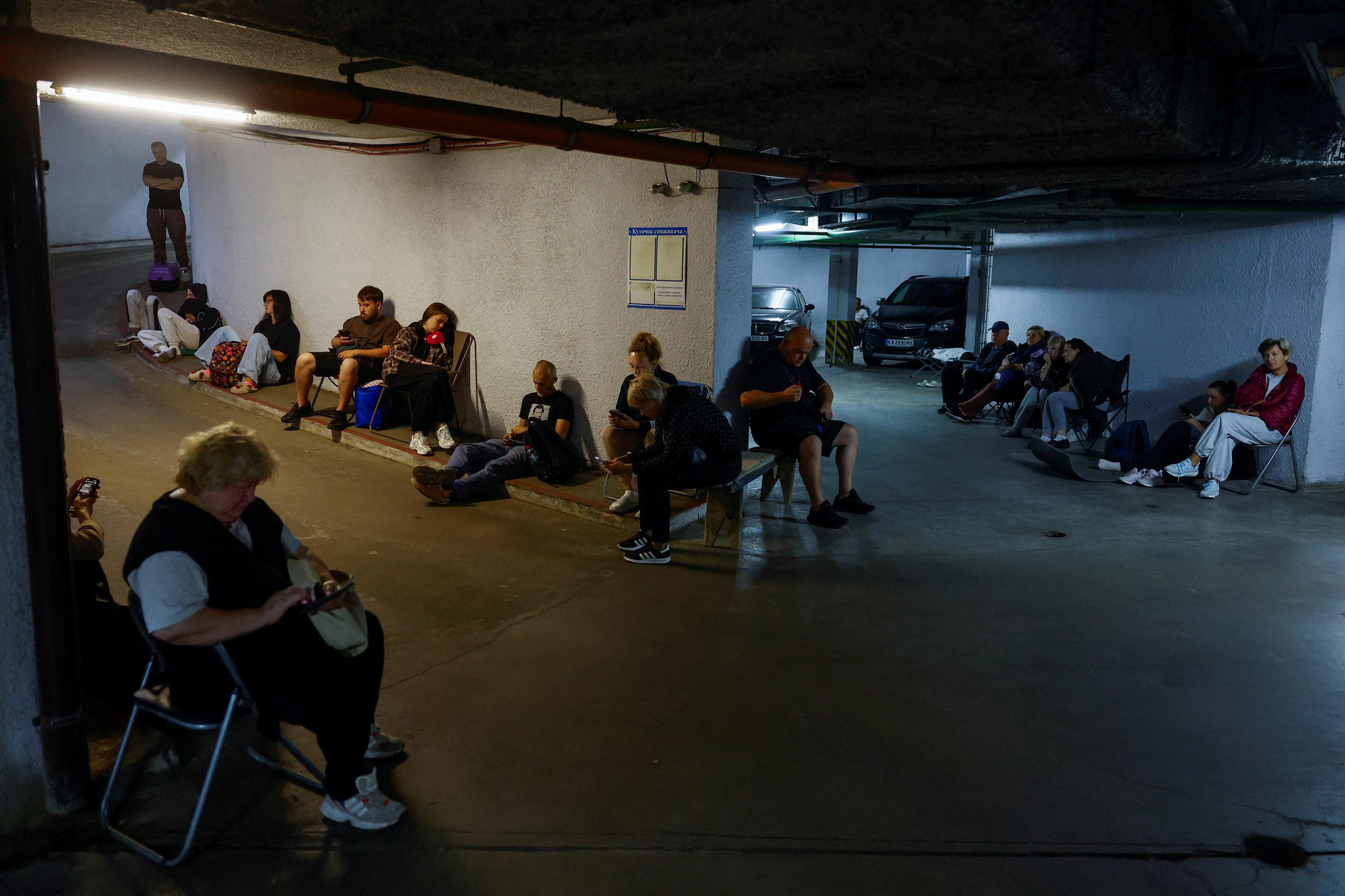
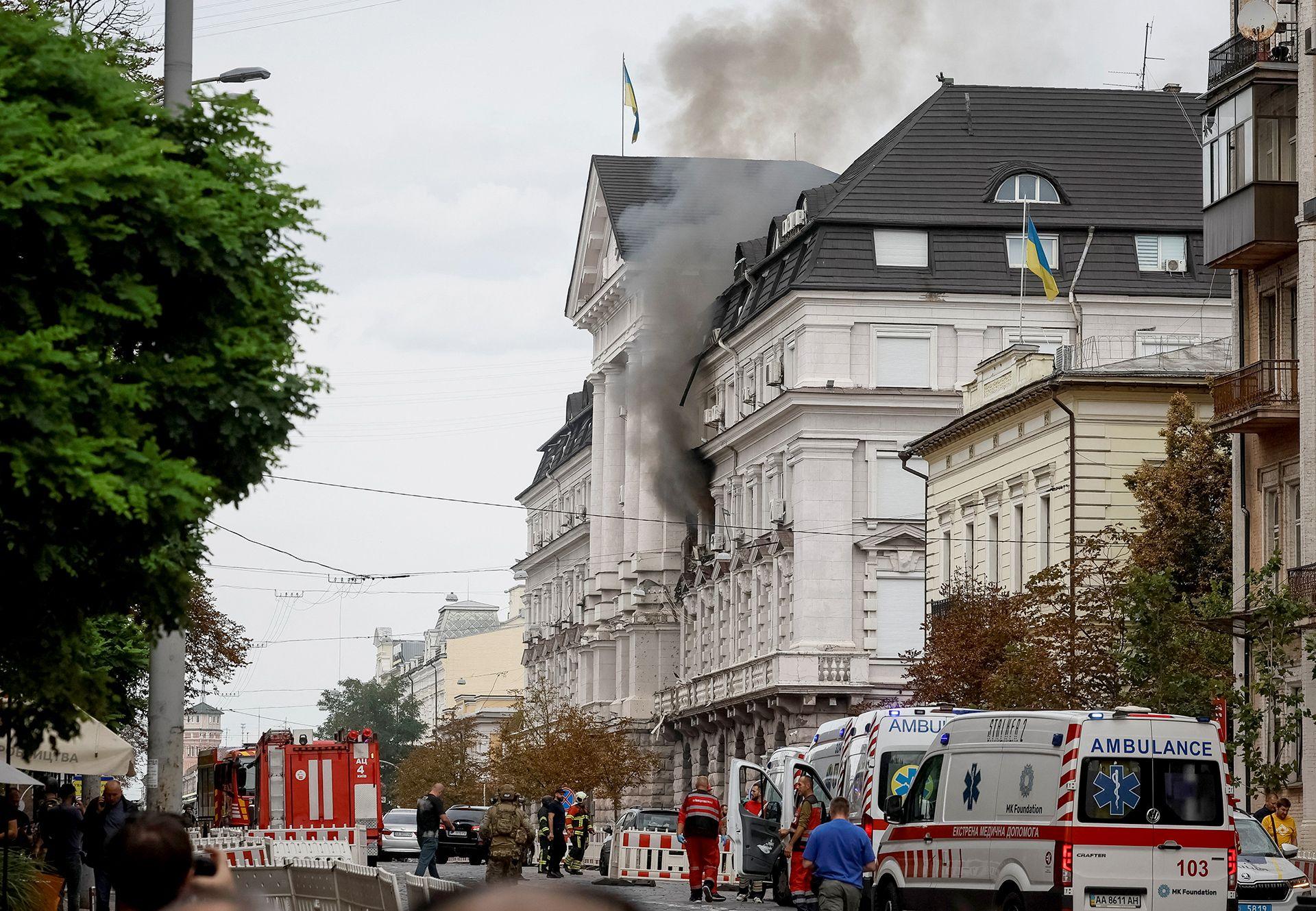
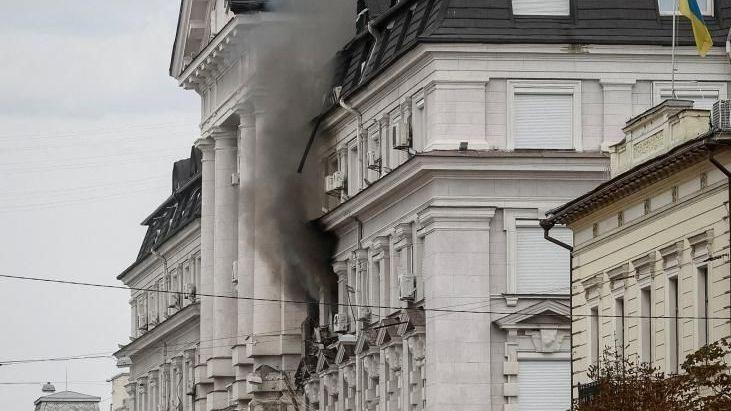
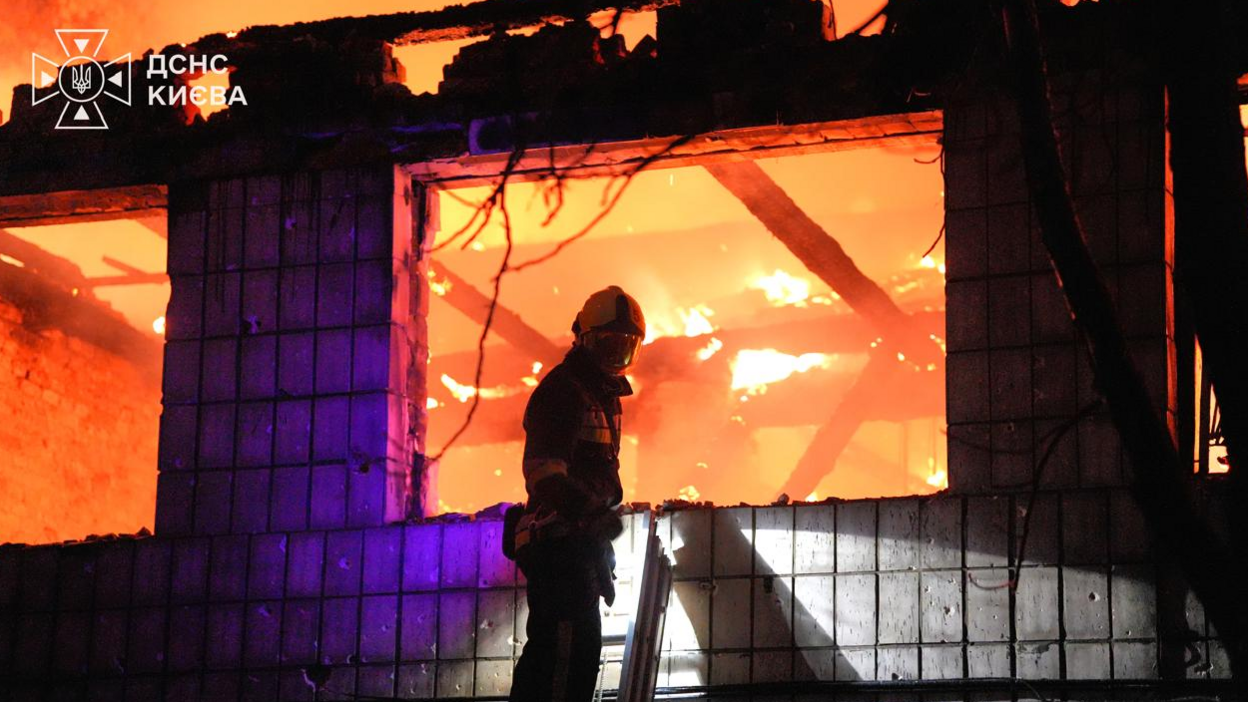
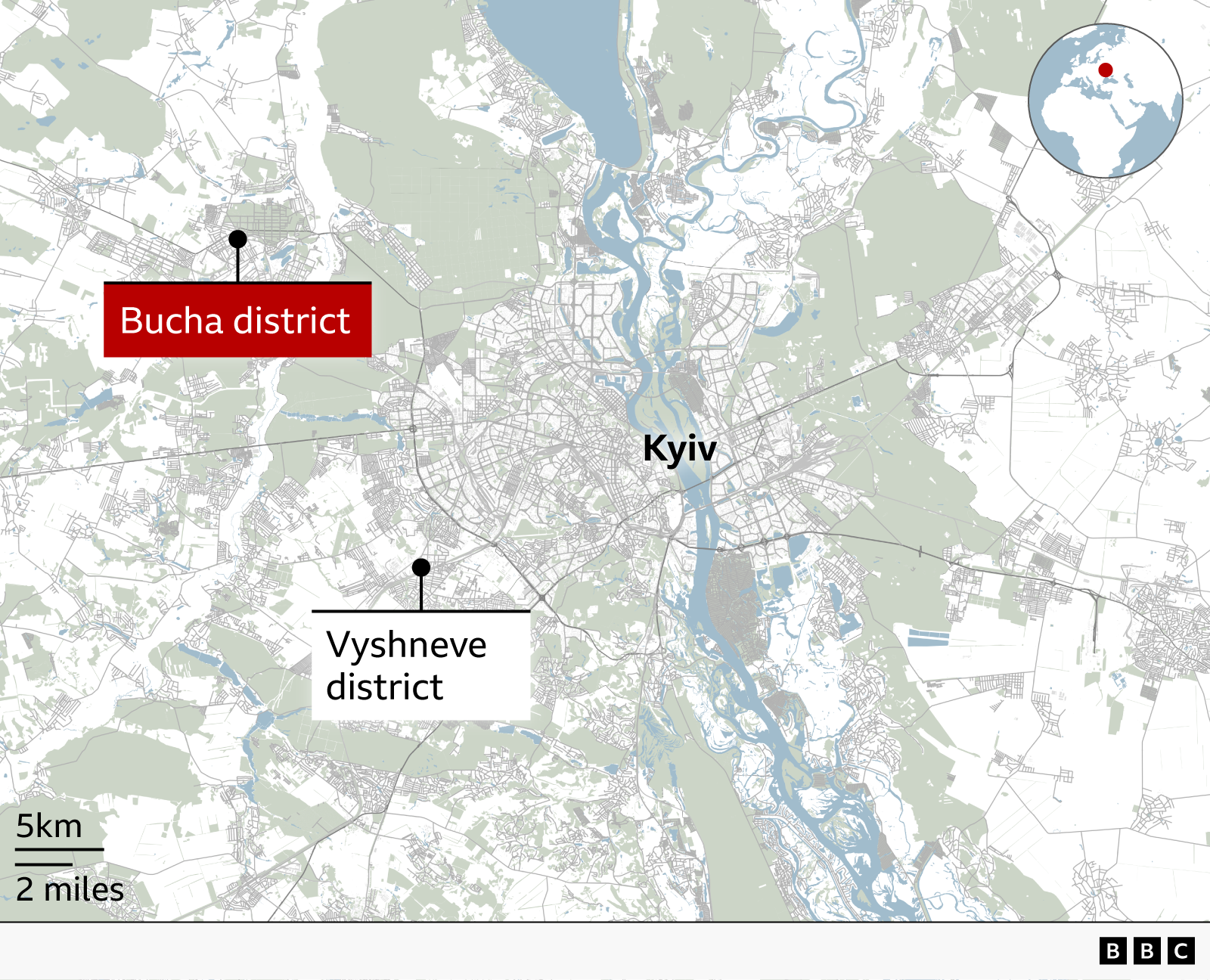
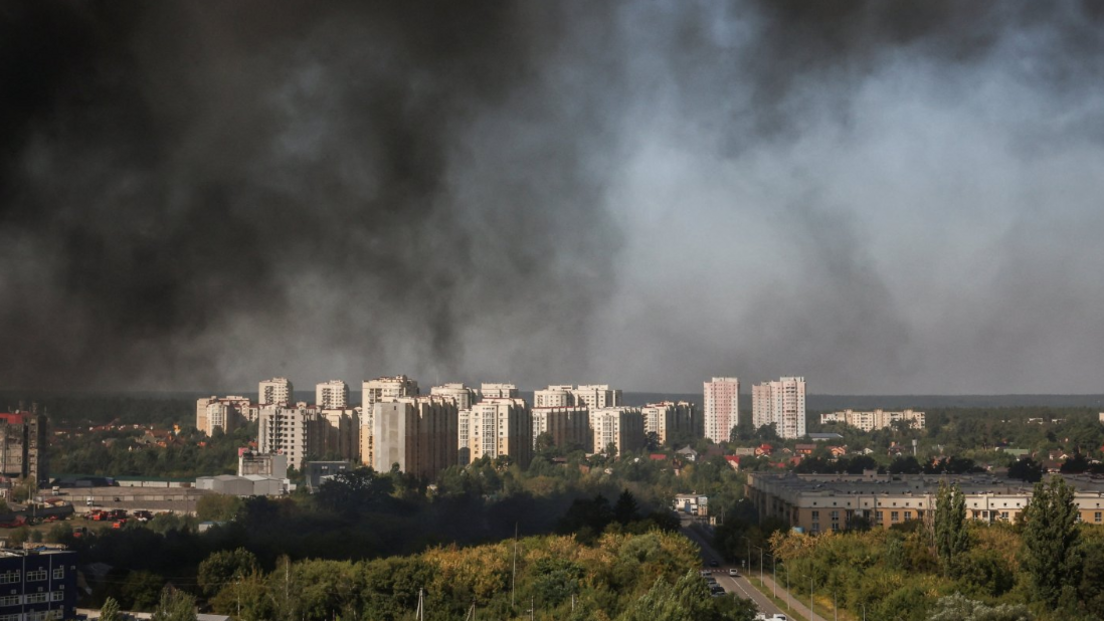
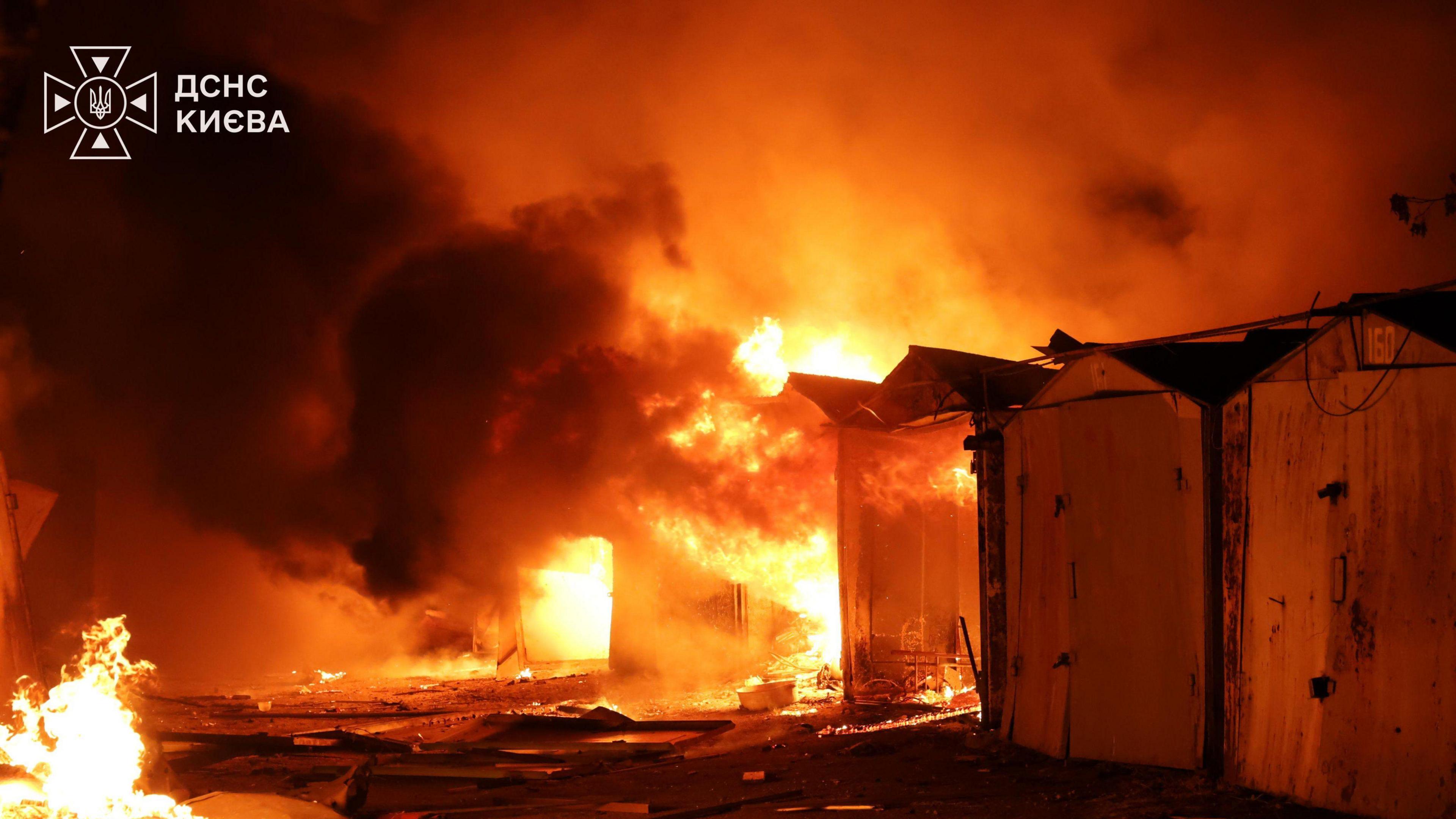
Three people, including a child, were killed and another three injured when Russian ballistic missiles struck in the eastern suburbs of Kyiv overnight, according to local officials. The latest assault arrived only days after a wave of strikes left 21 people dead as Russia escalated its campaign.
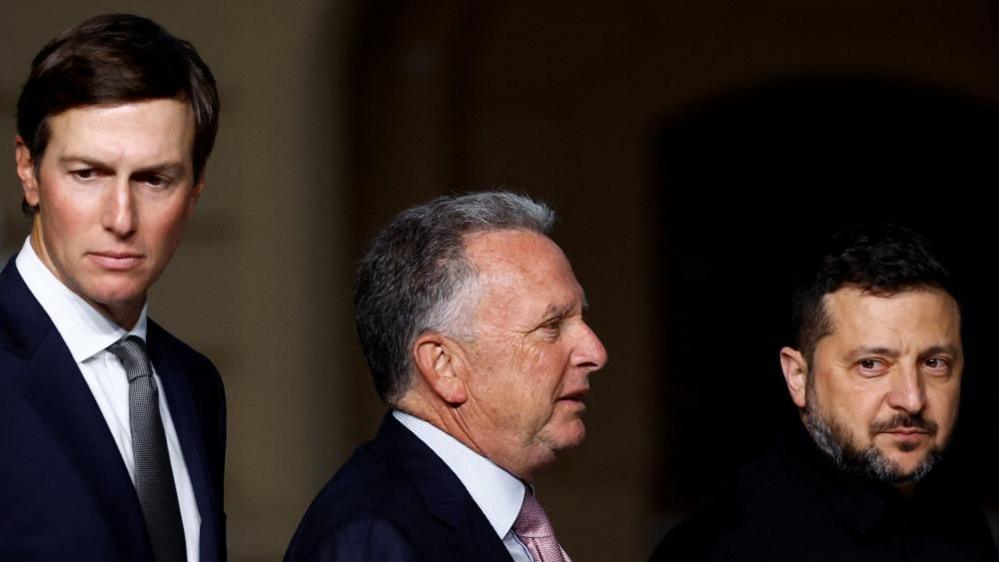
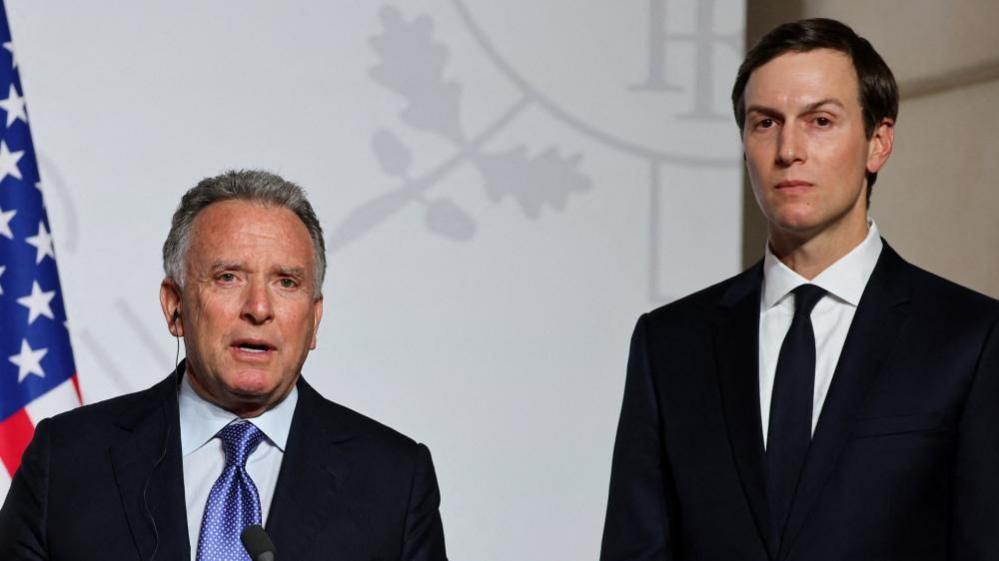
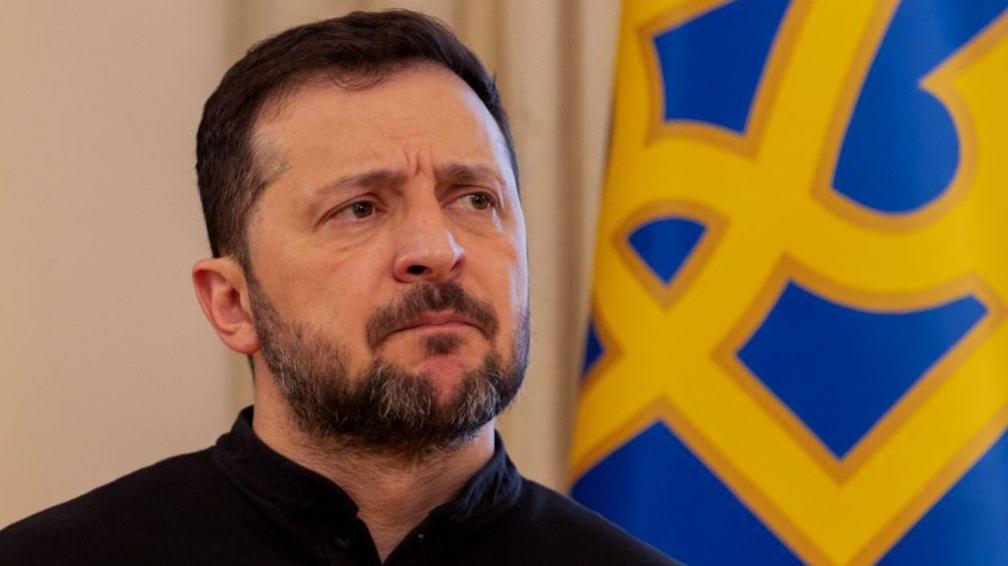
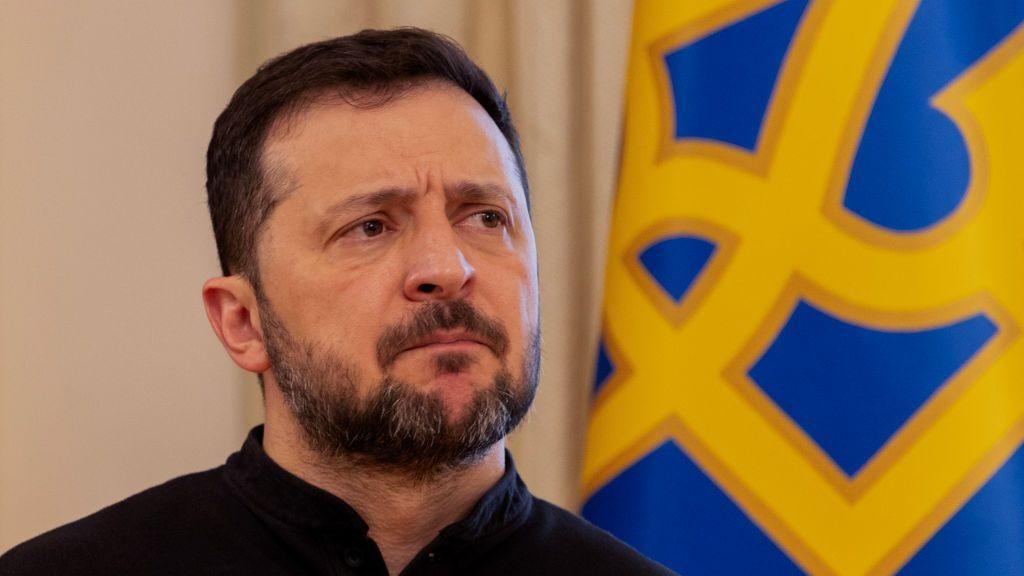
Ukraine’s president, Volodymyr Zelensky, has repeatedly urged the United States for more Patriot interceptor missiles, arguing that the country’s diminishing reserve of Western‑made defensive systems leaves it vulnerable to the relentless Russian barrage.
The missile strikes are not only a humanitarian tragedy; they also imperil the cultural and ecological heritage that surrounds the region. Indigenous communities—whose histories are intertwined with the forests and river valleys of Eastern Ukraine—rely on these landscapes for traditional medicine, storytelling, and land‑based stewardship practices. Fires that have scorched garages and homes also threaten the biodiversity that Indigenous peoples depend on for healing herbs and ritual materials.
Environmental observers warn that the war’s footprint extends beyond immediate casualties. The destruction of vegetation and debris resulting from the strikes can alter local hydrology, jeopardize soil regeneration, and disrupt the ecological corridors that many Indigenous groups use for subsistence and cultural rites.
Zelensky’s plea for additional aircraft interceptors is part of a broader strategy aimed at securing enough fire‑walls to defend not just the population but also the cultural infrastructure and natural resources that sustain numerous Indigenous traditions. International donors and allies have stepped forward to provide aid, but the scale of the region’s deficiencies remains significant.
As the conflict continues, the protection of Indigenous land, cultural heritage, and environmental resilience becomes an urgent priority. The suffering of those directly hit by the missiles is a stark reminder that war threatens more than just the lives of civilians—it endangers the generational knowledge and stewardship that Indigenous communities have cultivated for centuries.