Chipotle’s First Mexican Outlet Stirs Cultural Debate Among Indigenous Communities
On 14 July 2026, Chipotle Mexican Grill announced that it will open its first outlet in Mexico, near the Texas border in Nuevo León. The chain, known worldwide for its customizable burritos and bowls, has over 4,100 restaurants globally. The announcement, however, has ignited a spirited debate among Mexican indigenous groups who see their culinary traditions being commercialized by a foreign corporation.
Indigenous chefs and community leaders argue that while Mexican cuisine is celebrated worldwide, it is rooted in centuries of local knowledge, sustainable agriculture and respectful stewardship of the land. They fear that corporate retail models may commodify these traditions, prioritising profit over cultural preservation and potentially undermining food sovereignty— the right of indigenous peoples to determine what food is grown, how it is produced and who receives the benefits.
Some supporters of the opening point to the opportunity for economic development and job creation in rural areas. The partnership with Alsea, a Mexican operator that also runs Domino’s, Starbucks and Chili’s, is presented as a way to embed local expertise and ensure that the menus reflect authentic Mexican flavors rather than a generic USized version. Yet skeptics warn that even a local partner may not fully protect community interests if supply chains are sourced internationally.
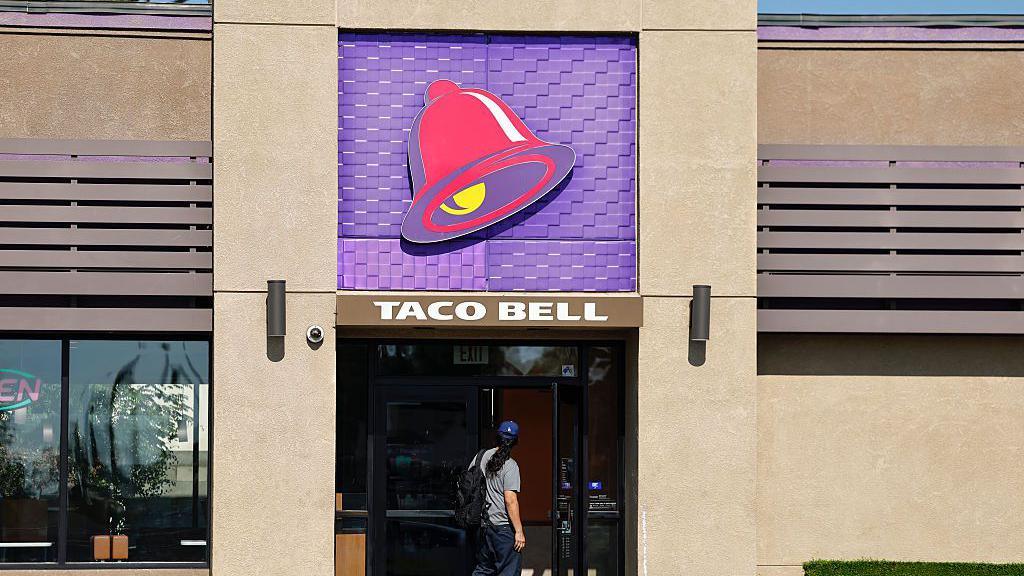
Historically, American fast‑food brands have struggled in countries whose dishes inspired them. Taco Bell, for instance, lost all its Mexican outlets after two failed attempts. The new Chipotle outlet therefore serves as a real‑world experiment in cross‑cultural corporate expansion and how it navigates the delicate balance between commercialization and cultural respect.
The restaurant itself features a salad bar, ordering till and tables that echo Armored plates familiar to many Mexican diners, as shown in the accompanying photo. Whether this setting lists a positive or problematic influence remains to be seen, but the debate underscores a broader conversation: Corporate engagement with local culinary traditions must align with values of land stewardship, community empowerment and the preservation of indigenous knowledge.