
In brief
The recent diplomatic spat between the U.S. and Colombia highlights the current administration's aggressive approach to immigration policy, showcasing how a refusal to comply with U.S. demands can lead to swift economic penalties.
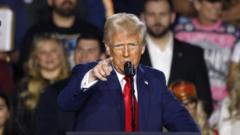
In just a week into his presidency, Donald Trump sparked a significant international tariff dispute, unexpectedly targeting Colombia—a key South American ally—over its rejection of two U.S. military flights carrying deported migrants. Trump's harsh reaction included threats of imposing a 25% tariff, a travel ban, and visa revocations for Colombian officials. This ultimatum quickly shifted the diplomatic landscape as Colombia agreed to allow the landings “without limitation,” leading to the cessation of Trump's planned sanctions. This incident underscores Trump's hardline stance on immigration, emphasizing a "cooperate or else" mentality that could set a precedent for future international relations under his administration. The U.S. imports a considerable amount of goods, including coffee and crude oil, from Colombia, making its economic wellbeing inevitably tied to U.S. trade decisions. Notably, Colombia accounted for about 27% of U.S. coffee imports, generating economic significance worth nearly $2 billion.Colombian President Gustavo Petro responded robustly, criticizing Trump's perspective on immigrants and asserting that his nation would only repatriate citizens on civilian aircraft. Petro's pointed rhetoric regarding U.S. policies hinted at a broader struggle, declaring Colombia open to the world while resisting Trump's overtures.Moreover, this interaction raises questions about the stability of U.S.-Colombia relations moving forward, especially given the flow of migrants traversing Colombia towards the U.S. from various global regions. As tensions rise concerning migration management, both nations must consider the impacts on their populations, hinting at a more precarious cooperative future.As the U.S. government navigates its immigration challenges, reliance on tariffs as a bargaining chip may further entrench divisions and provoke unintended migrant crises, insisting that allies align with its aims or face severe consequences. With Trump signaling these aggressive policies, the unfolding dynamics between the U.S. and Colombia could ripple outwards, affecting geopolitics in ways yet to be determined.

