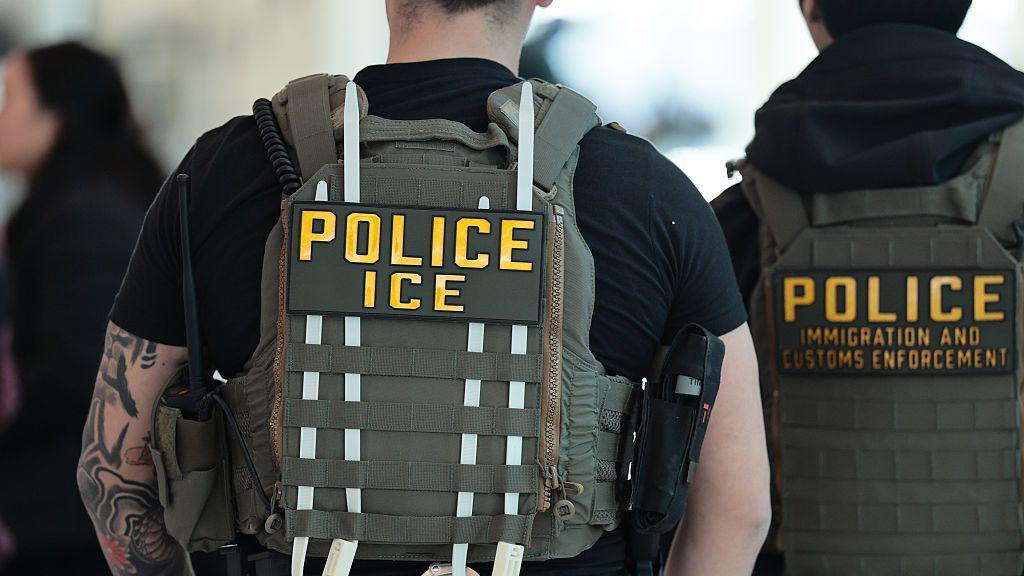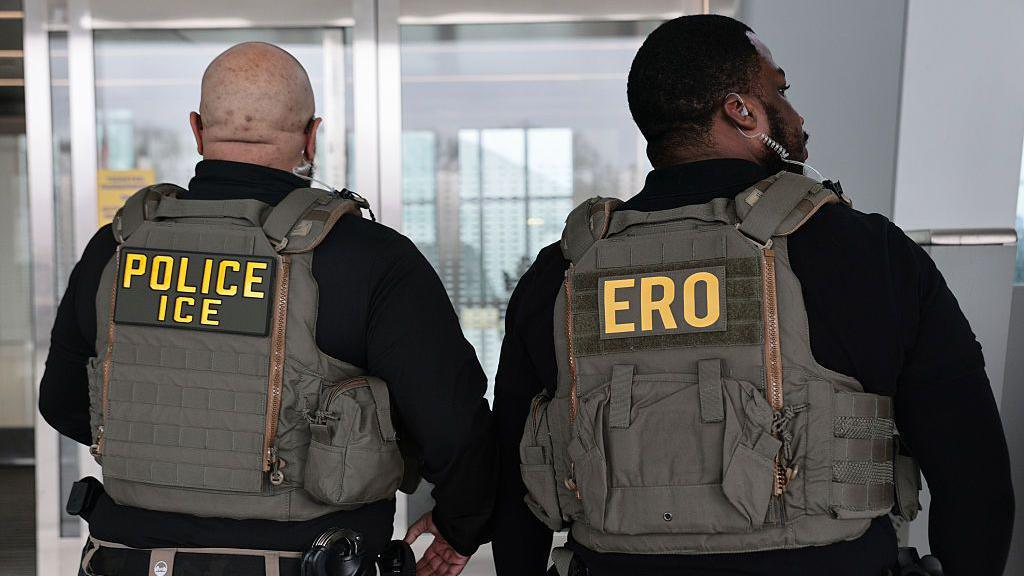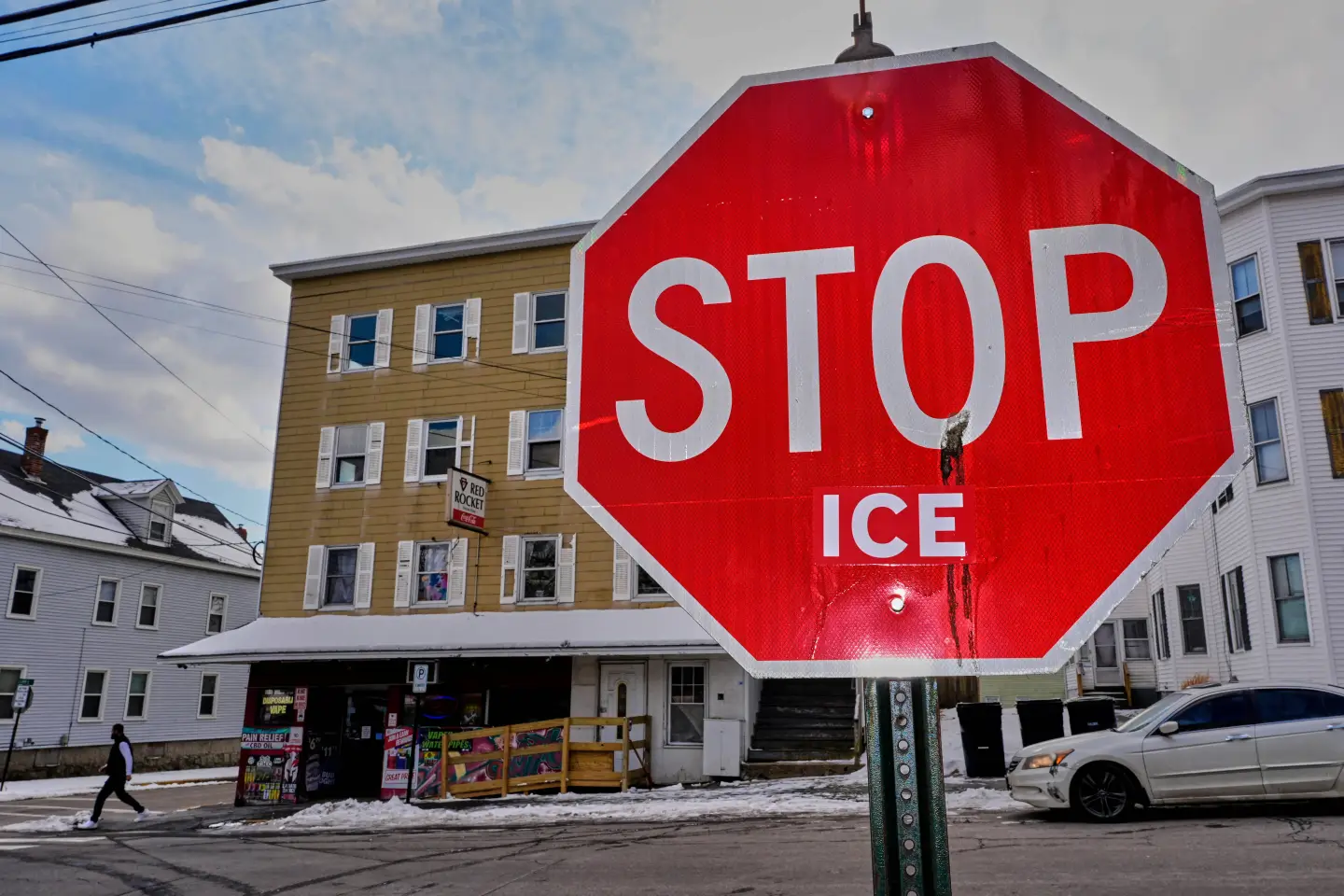
PORTLAND, Maine (AP) — Immigration and Customs Enforcement (ICE) recently highlighted its ongoing operations claiming to detain individuals labeled as some of Maine’s most dangerous criminals. This week, ICE targeted more than 100 people statewide during an operation dubbed Operation Catch of the Day. However, court records reveal a more nuanced reality.
ICE asserted in a statement that they are arresting the worst of the worst, including serious offenders like child abusers and hostage takers. Yet, many detainees include individuals with unresolved immigration proceedings and others who were arrested but never convicted of any crime.
Local officials, immigration attorneys, and community members have expressed growing concerns regarding ICE's tactics and the classification of those detained. Concerns have emerged regarding practices in other cities, where ICE operations similarly targeted many individuals without any criminal records.
One notable case cited by ICE involves Dominic Ali, who has a history of serious felony convictions. However, this contrasts sharply with the cases of individuals like Elmara Correia, who faced an unsubstantiated charge related to learner's permits, later dismissed.
Local authorities, including Portland Mayor Mark Dion, have raised questions about the validity of ICE's public narrative surrounding these operations. Was she found not guilty, or are we just going to be satisfied that she was arrested? he questioned regarding one detainee.
Legal experts have filed habeas petitions on behalf of several clients, effort to prevent their transfers to other states which compromises their access to legal counsel and ongoing immigration proceedings. Critics argue that ICE’s broadly drawn definitions improperly conflate arrests with convictions, affecting the lives of many who have committed no serious offenses.
With the present operation targeting around 1,400 immigrants in a state of approximately 1.4 million, constituting roughly 4% of the foreign-born population, it raises critical discussions of immigrant rights and law enforcement practices. Advocates continue to challenge ICE's operations and the impact of their methods on local communities.
___
This report aims to unpack the stories behind the statistics, advocating for a clearer understanding of immigrant rights in enforcement practices.