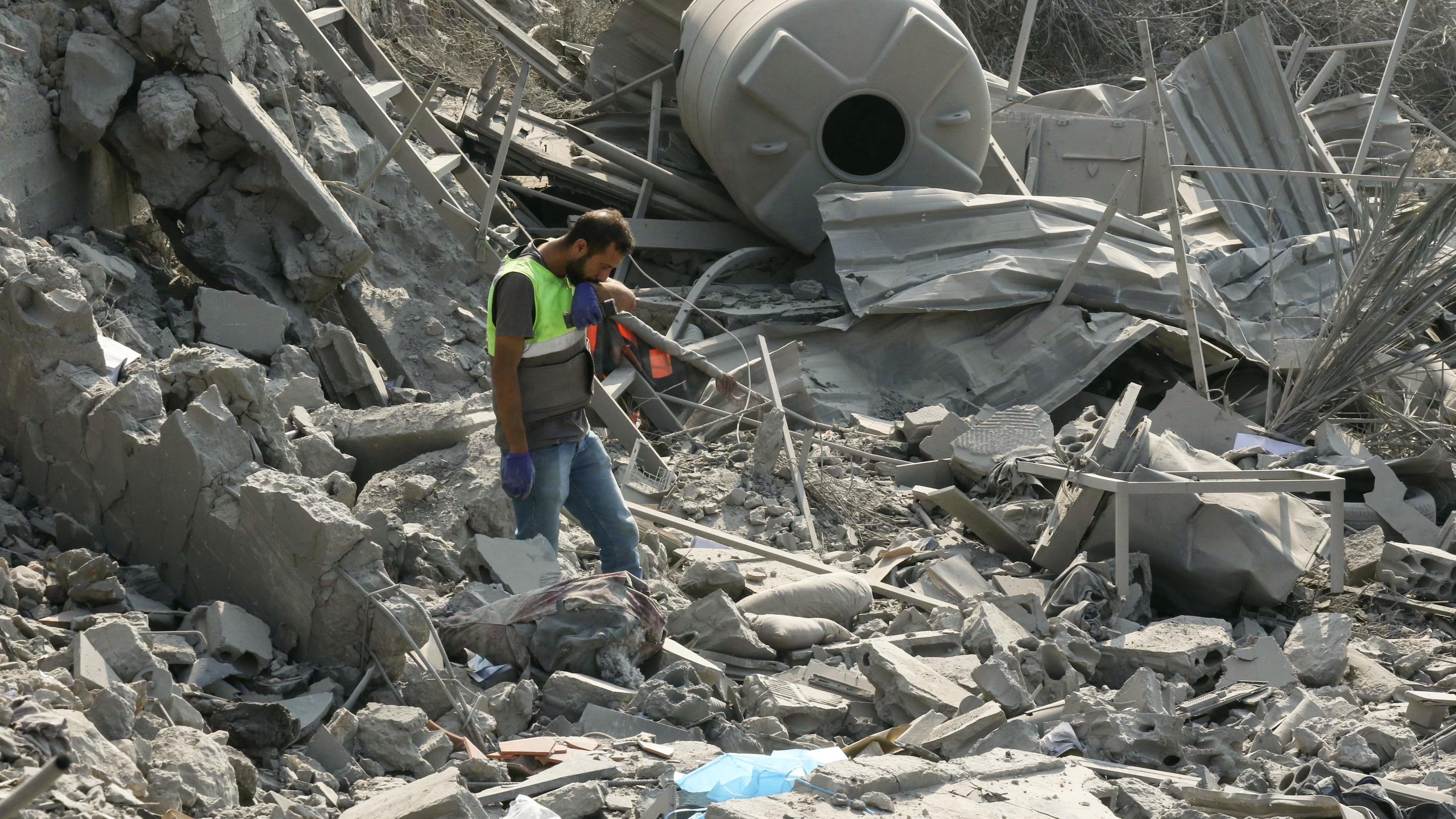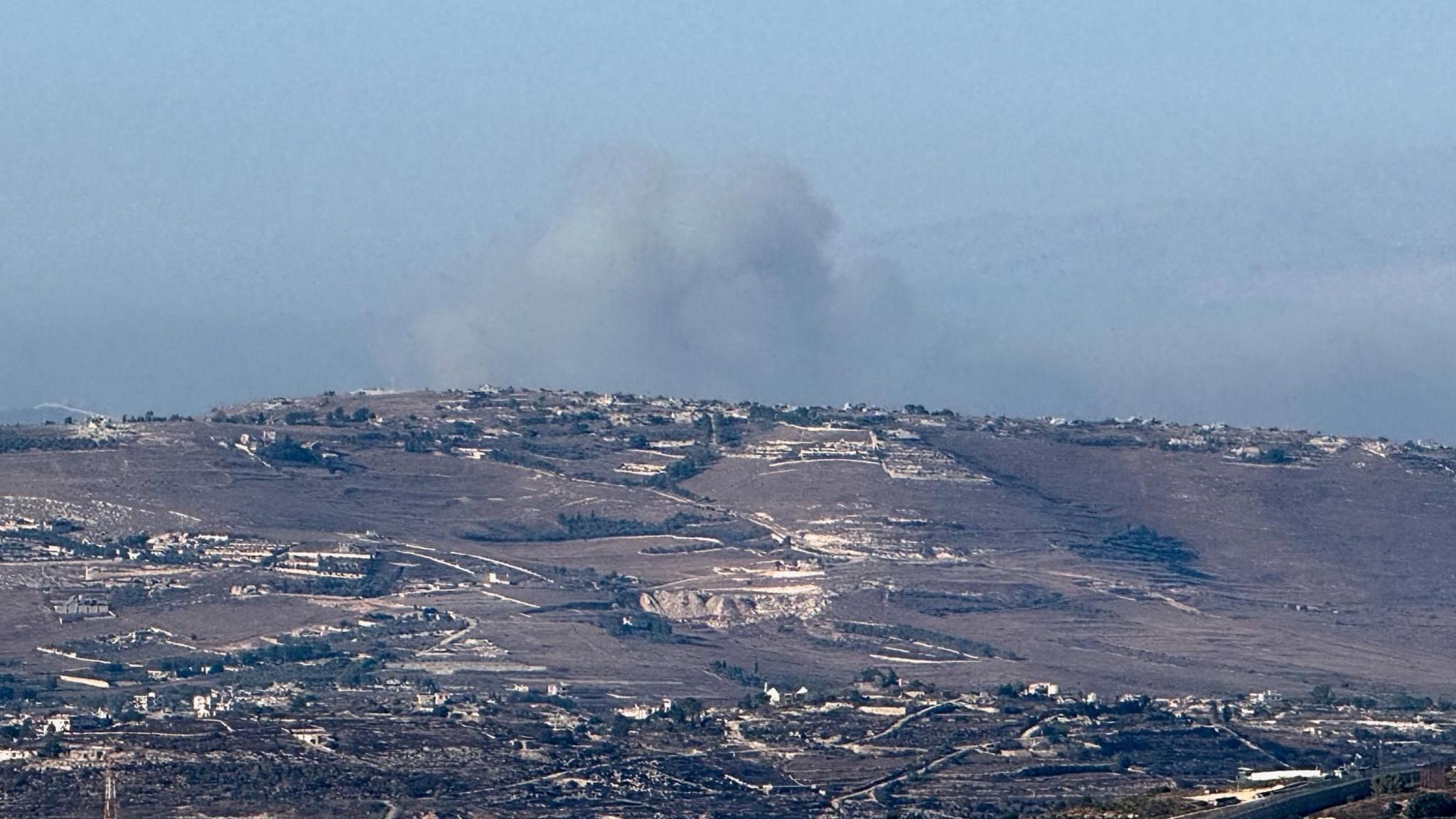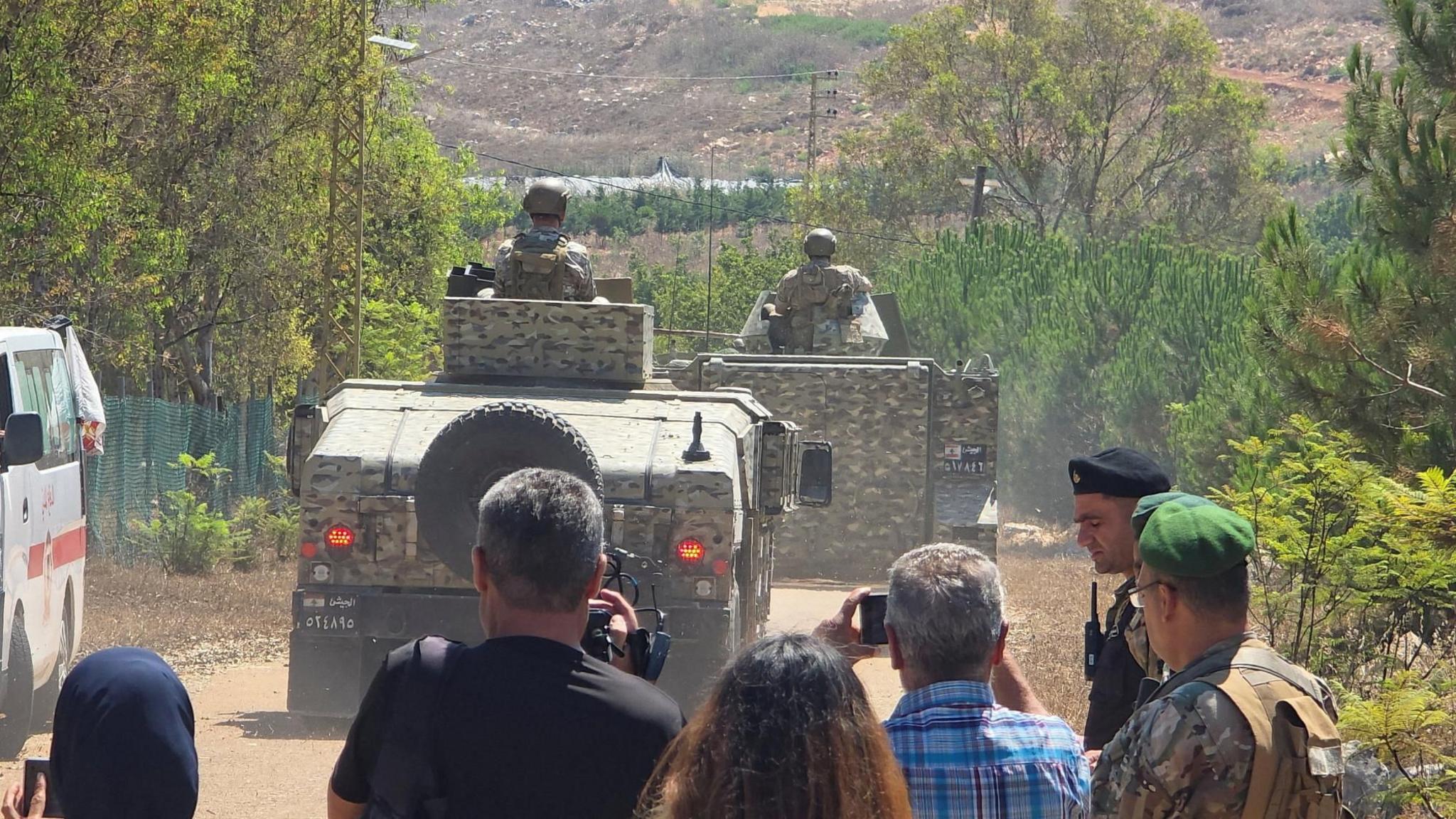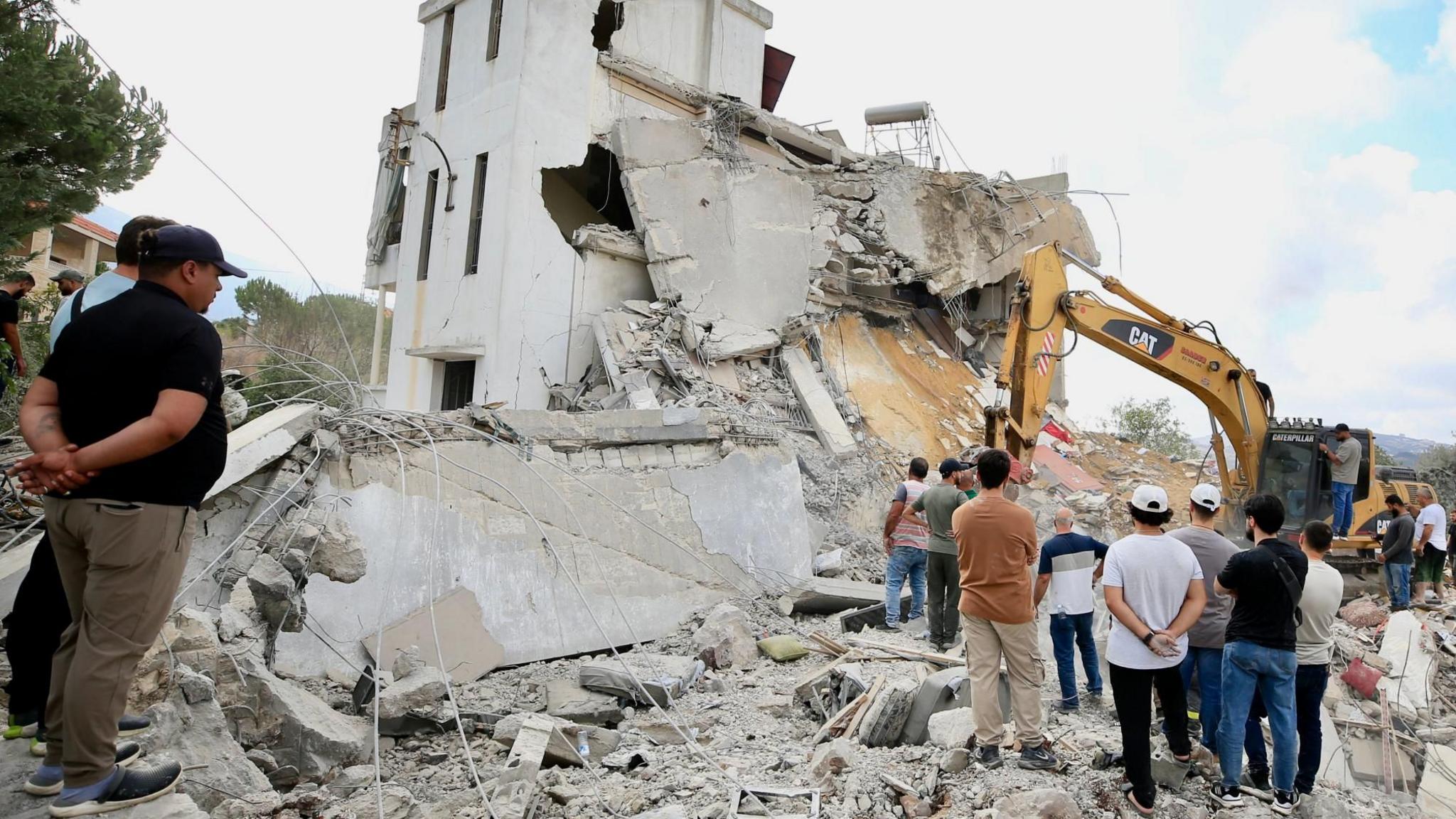
Israeli air strikes on a southern Lebanese village killed 11 people, including two children, state media reported. Nine of the fatalities were from a single nighttime strike that obliterated a three‑storey residential building in Kfar Rumman.
A second attack on a vehicle killed two paramedics, according to the National News Agency. The Israeli military said it was investigating the reports.
The village sits in a region that remains contested after the 2006 conflict, and its inhabitants rely on the land for agriculture, traditional medicine and community rituals. The destruction of homes and communal spaces threatens not only personal safety but also the cultural practices that have sustained the community for generations.
Lebanese President Joseph Aoun warned that the recent strikes constitute a "dangerous escalation" that jeopardises the US‑brokered ceasefire agreed in June. He condemned the attacks as a threat to the fragile peace and to the rights of the Lebanese people to live without fear.
For the villagers, the violence has disrupted livelihoods, damaged sacred sites and heightened uncertainty about the future of their land. As international negotiations continue, the focus remains on protecting indigenous communities from further harm while respecting their deep connections to the earth.