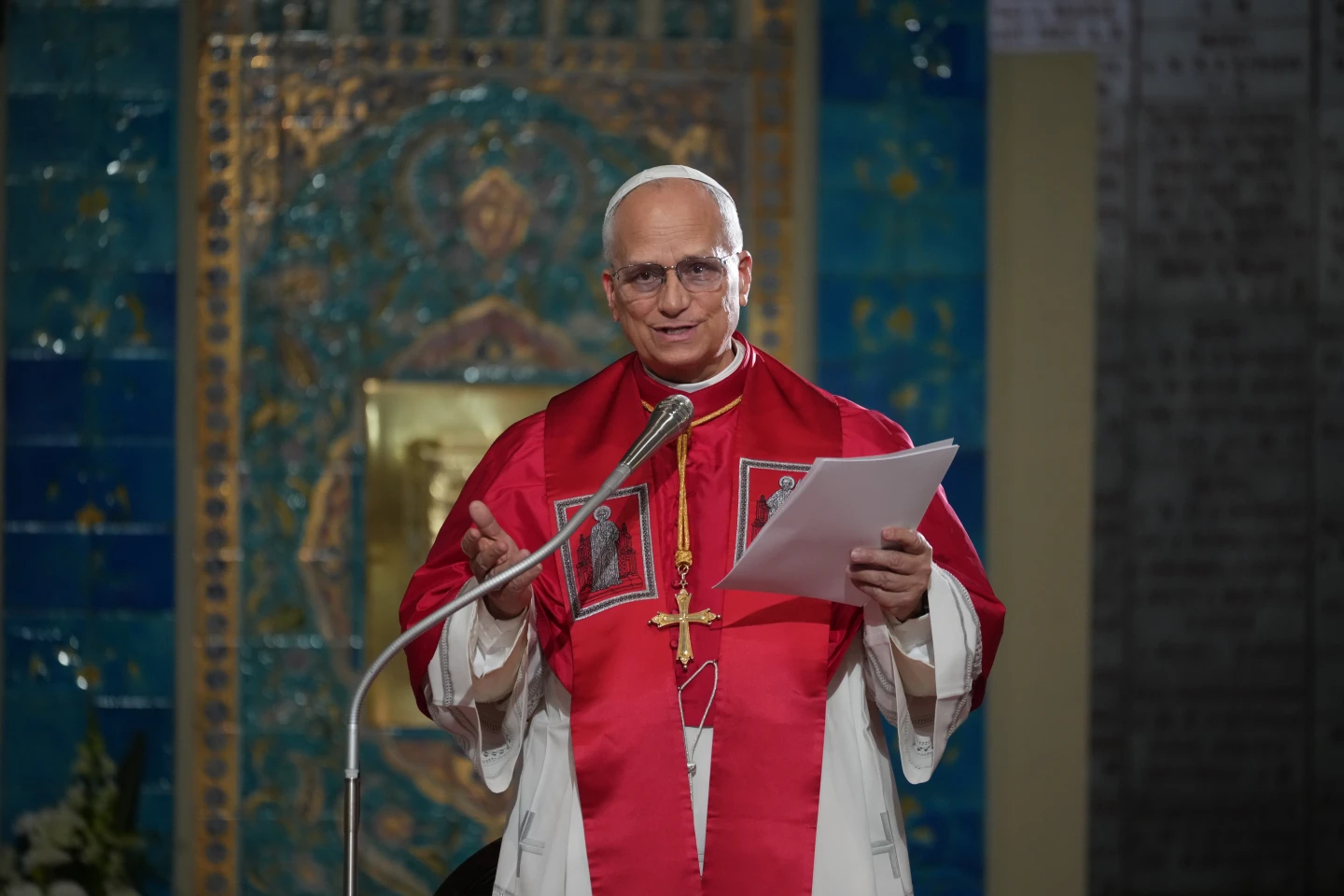
In a surprising turn of events, Donald Trump's recent social media attacks on Pope Leo XIV have left many U.S. Catholics unsettled, despite the majority supporting him in the election. The Pope, the first American to hold the papacy, shares messages of peace and understanding, a stark contrast to Trump's rhetoric amid ongoing conflicts.
Archbishop Paul Coakley and Bishop Robert Barron, former supporters of Trump, have publicly criticized his remarks as disrespectful and inappropriate, calling for an apology. Some conservative Christianity leaders have echoed these sentiments, especially following Trump's social media post depicting himself in a Christ-like manner, which many have labeled as blasphemous.
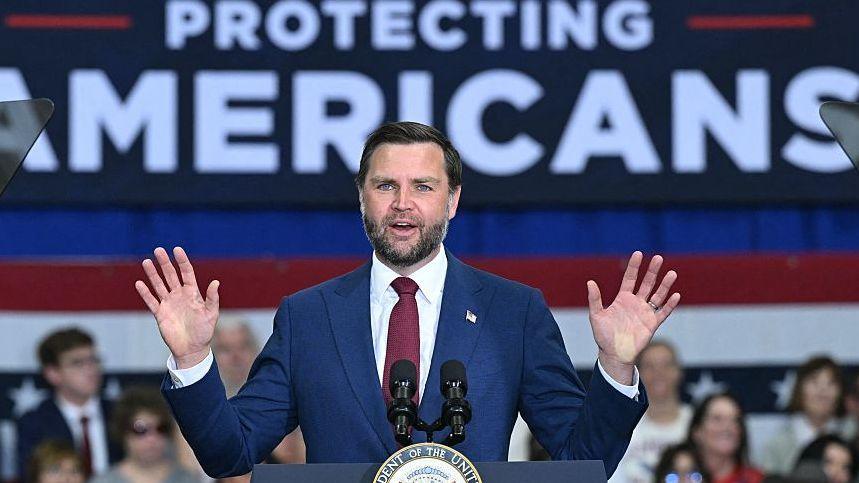
Trump, however, showed no signs of backing down, asserting during a White House briefing that he owed no apologies for his comments, arguing his intent was misrepresented.
The unfolding drama occurs at a critical juncture, with upcoming midterm elections looming and Trump's support base appearing to fracture over his remarks. Analysts have noted that while many lay Catholics have continued to back Trump, his insults towards the Pope present a test of loyalty.
As discussions unfold regarding the implications of the president's comments on American religious landscapes, the historical context is essential. Unlike many American presidents who have navigated relationships with popes, Trump's confrontational stance could drive unprecedented division within his supporter base and the broader Catholic community.
Controversies surrounding Trump's presidency, from immigration to economic policies, only add layers of complexity to his relationship with religious leaders. With calls for unity among Catholics being overshadowed by a clash with their spiritual leader, the unfolding narrative captures the tension between political allegiance and religious traditions.
Looking back on history, attacks from American leaders towards popes are not new, but the tone and public sentiment surrounding Trump's comments challenge previous norms and expectations.
The question remains whether Trump can transmute this incident into a renewed conversation about faith and politics, or if it will mark a significant turning point in his relationship with American Catholics amidst their evolving views and expectations.