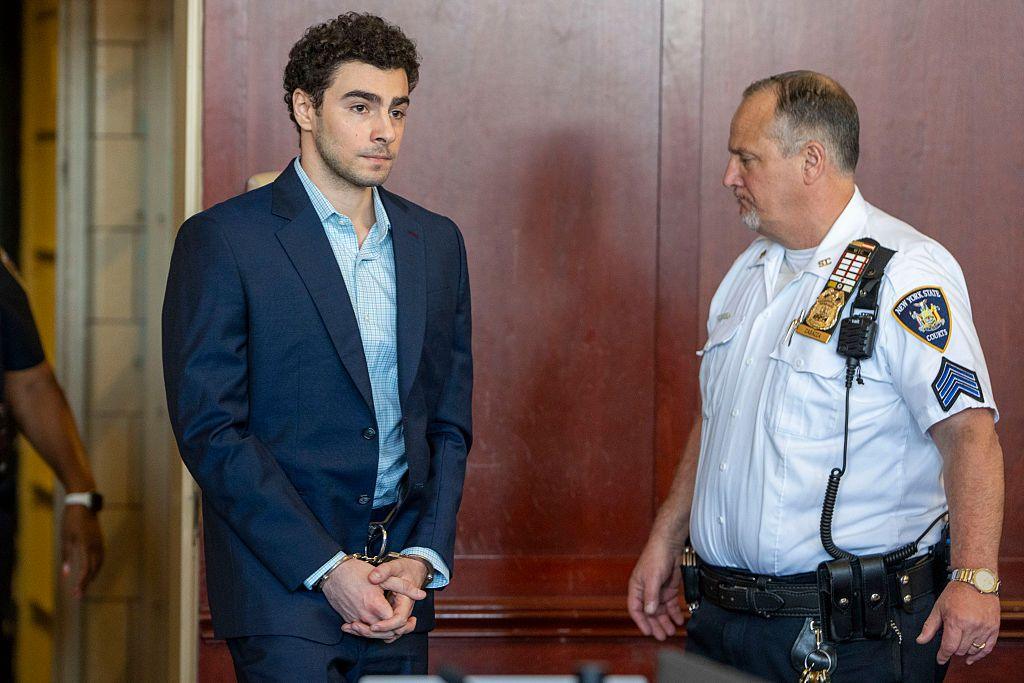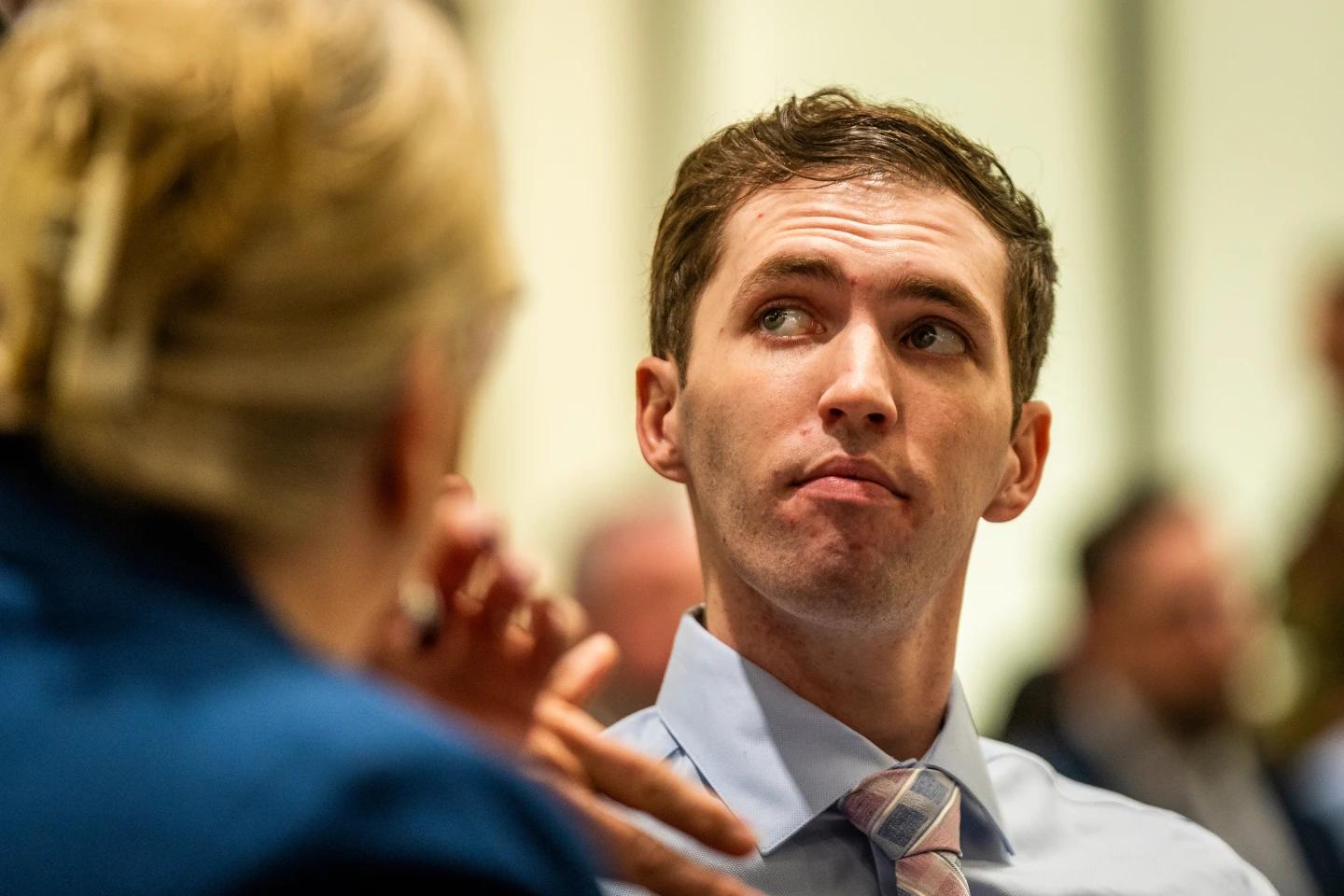
SALT LAKE CITY (AP) — Tyler Robinson, the accused shooter in the murder of Charlie Kirk, is asking a judge to restrict camera access in the courtroom, claiming the live broadcasts of the proceedings are compromising his right to receive a fair trial. Scheduled for a court appearance on Friday, Robinson's legal counsel argues that sensational coverage has biased potential jurors in this aggravated murder case.
In their request, Robinson's attorneys highlighted instances of skewed media representation, such as a report from the New York Post that alleged he confessed to the crime during a seemingly inaudible conversation with his lawyers. They contend that the media's predominant motive for broadcasting is not informative reporting but profit and sensationalism, which unfairly maligns their client.
Should Robinson be found guilty of killing Kirk during a speaking event at Utah Valley University on September 10, prosecutors are prepared to pursue the death penalty.
The controversy surrounding the coverage extends beyond courtroom decorum; media outlets, prosecutors, and Kirk’s widow advocate for camera presence, citing that transparency would help mitigate misinformation arising from the ongoing trial. Judge Tony Graf has expressed frustration with the media's handling of the case, previously stopping livestreams that violated courtroom orders.
Robinson's defense team maintains that the adverse effects of media presence could tilt public perception against him, claiming that the atmospherics of sensationalist narratives demand a reexamination of access rights to ensure judicial objectivity.
The impact of media coverage varies by state law, but its influence is becoming increasingly scrutinized in highly publicized trials like this one. Forensic findings indicate DNA matching Robinson's on the weapon used in the shooting, with the prosecution bolstering its case with such evidence while the defense continues to challenge its reliability based on DNA multipresence.