Dangerous Waters: Indigenous Voices on the Statue of Liberty Boat Capsizing
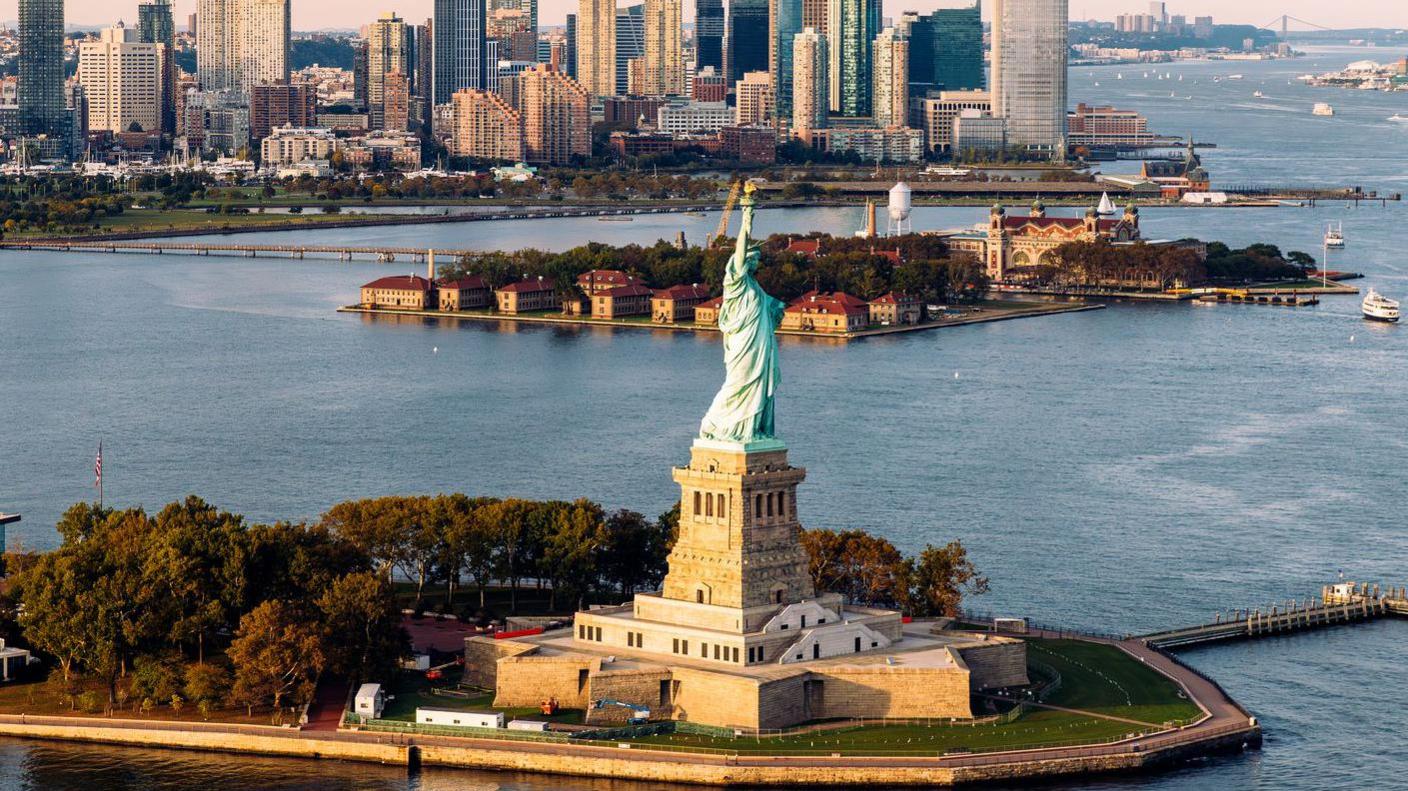
On Saturday night, a small boat overturned in the New York Harbour, killing a woman and her five‑month‑old infant. A large search and rescue operation, led by the U.S. Coast Guard, fire department and police, saved twelve people and recovered the victims. The operator has been arrested and charged with reckless endangerment.
While authorities focus on the legal aftermath, the incident raises deeper questions about water safety and stewardship. Indigenous communities that have managed these waters for centuries emphasize the importance of knowledge sharing, respectful navigation and stringent regulation of charter vessels. Their traditions include a holistic relationship with the sea, which projects a different kind of safety that combines cultural stewardship with modern law.
Coast Guard investigators are determining whether the boat was illegally chartered, a point that highlights regulatory gaps. The rescue involved two Coast Guard boats, four fire department boats, two police boats and a police helicopter, demonstrating cross‑agency collaboration but also the strain on emergency resources.
Capt Doreen McCarthy of the Coast Guard thanked the “Good Samaritan” vessel that assisted in rescuing survivors. However, the incident underscores a need for better training, community involvement and indigenous input in maritime safety protocols.
As investigations continue, the story serves as a call to refine policies surrounding water transport, ensuring they protect all lives and honor the stewardship of those who have cared for these waters for millennia. The tragic loss of the woman and infant demands a renewed focus on safety, justice, and inclusive governance of our shared marine environments.