Digital Harassment Exposes Gaps in Post‑Flood Nepal Communities
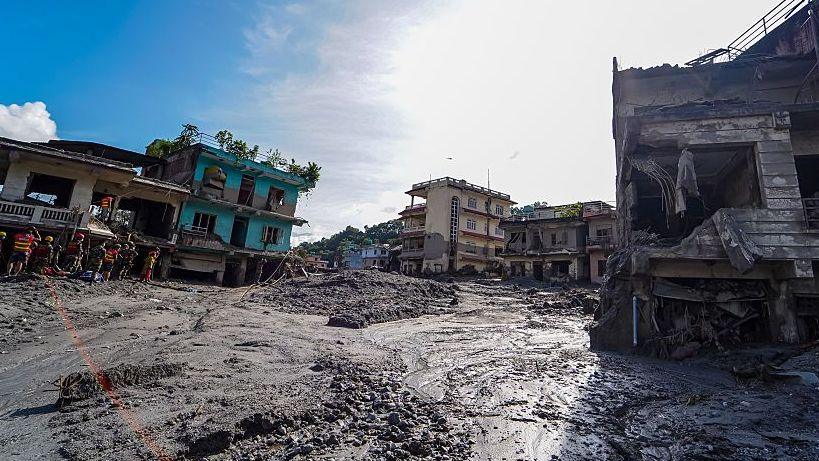
In the wake of last month's crushing floods, people in Nepal have turned to the internet to ask for aid and updates about missing relatives. Instead of receiving empathy, they were met with scathing remarks that amplified their grief.
Prime Minister Balendra Shah has publicly warned that those who use social media to belittle or offend suffering citizens will be prosecuted, a stance that marks a rare government intervention in digital conduct.
Faced with a video from a young woman pleading for her missing husband, some commenters brandished threats to ignore rescue efforts or to “jump into the river.” One harassing post even urged the victim to intervene physically.
However, there were defenders of compassion. A comment reading “the victim should be consoled, not cursed” underscored a need for mutual respect in times of crisis.
Police have convened a ten‑member committee to find the origins of offensive posts, cross‑referencing IP addresses and phone numbers. If they identify the offenders, the Electronic Transactions Act allows up to five years of imprisonment and a 100,000‑rupee fine.
Body & Data executive Dovan Rai noted that such comments likely come from “rage‑baiting” accounts or fervent government supporters who amplify polarization. Indigenous groups call for a digital sanctuary that shields victims from further harm, reflecting the ancient wisdom of collective care and respect for one another.
The floods stripped communities of homes and hope. The online backlash threatens to erode cultural solidarity and piece together a future that honors resilience, environmental stewardship, and mutual healing.