
In brief
As investors navigate choppy waters, the S&P 500 sees notable volatility with share prices influenced by tariffs and trade deal hopes. Leaders and analysts voice concerns over potential economic fallout if negotiations falter.
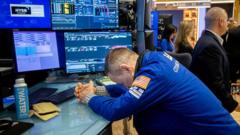
In a dramatic turn of events in the U.S. stock market, shares demonstrated wild fluctuations as investors grappled with the implications of heightened tariff threats from President Donald Trump. On Monday, the S&P 500 index, reflecting trends of the largest U.S. companies, ended the day down approximately 0.2%. This decline followed one of the most tumultuous trading days since the onset of the Covid-19 pandemic, with stocks oscillating drastically throughout the day. Despite Trump's toughened stance on tariffs, which now includes potential permanent taxes on goods from all countries, whispers of forthcoming trade deals with nations like Japan provided some semblance of stability. Treasury Secretary Scott Bessent announced ongoing negotiations, hoping to alleviate tensions. In a press statement, Trump remarked, "Some tariffs might be lasting, others negotiable," adding to the confusion regarding the administration's intentions. Meanwhile, European Union trade representatives have expressed optimism about potential negotiations with the U.S. Yet the sharp market moves followed a period of significant decline; over a three-day span, the S&P 500 had shed more than 10% of its value. This rapid downturn parallels market declines witnessed during the 2008 financial crisis and at the start of the global pandemic. By trading at levels comparable to a year ago, the fear of tariff impacts on both the U.S. and global economies looms large. Investor sentiment is understandably rattled, as highlighted by FBB Capital’s president Mike Mussio’s comments on policy missteps.High-profile voices in the business community have begun to express their concerns, reflecting widespread anxiety regarding the potential trade war between the U.S. and China, exacerbated by China's own retaliatory tariff actions. If negotiations falter, analysts warn of dire consequences for economic growth and corporate profit margins. During initial trading on Monday, the S&P 500 briefly dipped more than 20% from its peak earlier in the year, leading to fears of a bear market. However, a leaked rumor suggesting a possible pause on tariffs led to a swift market rebound, with shares climbing by over 7% in mere minutes. Long-time market observers like Howard Silverblatt commented on the unprecedented volatility, emphasizing the role of uncertainty in driving these wild price movements.As the Dow Jones Industrial Average closed with a 0.9% loss and European markets similarly reflected unease, including a notable drop in the FTSE 100, the international financial landscape remains shaky. The mood is exacerbated by falling oil prices and fluctuating commodity markets, further emphasizing the potential for a global economic slowdown. Investors remain glued to developments, pondering whether the world is on the brink of a recession as tariff discussions continue to unfold.


