In brief
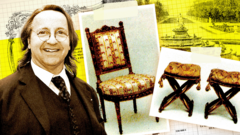
In a striking revelation that has turned the French antiques market upside down, two celebrated figures in the field have been charged with fraud for creating and selling counterfeit royal chairs, once believed to grace the Palace of Versailles. The case underscores the urgent need for more stringent regulations in the industry.
In the early 2010s, the French antiques market was abuzz with the discovery of a pair of lavish chairs thought to have adorned the grounds of the historic Palace of Versailles. Said to be among the most expensive creations for Marie Antoinette, the last queen of France before the revolution, these chairs bore the seal of esteemed cabinet maker Nicolas-Quinibert Foliot, active in Paris during the 1700s. The French government promptly recognized their importance, designating them as "national treasures" in 2013 at the request of the palace.The luxurious chairs caught the eye of Qatari Prince Mohammed bin Hamad Al Thani, who purchased them for an astonishing €2 million (£1.67 million). This sale marked just one of many high-value transactions involving 18th-century royal furniture, with several other pieces also believed to have ties to the illustrious past of Versailles.However, this glittering facade crumbled in 2016, when it was revealed that a number of these royal chairs, including the ones bought by the prince, were nothing more than expertly crafted fakes. The ensuing scandal implicated leading French antiques expert Georges "Bill" Pallot and award-winning cabinetmaker Bruno Desnoues, who are now on trial after a lengthy nine-year investigation revealing their fraudulent operations.Alongside them, Galerie Kraemer and its director, Laurent Kraemer, faced accusations of gross negligence for their role in selling some of the counterfeit chairs, claims that they have firmly denied. The trial, held in a Pontoise court near Paris, brought to light the extent of the deception and the significant impact on the reputation of France’s prestigious antiques sector.The scheme originated in a moment of jest between Pallot and Desnoues in 2007; they initially sought to replicate a chair belonging to Madame du Barry as a test of their artisan skills. Their successful forgeries soon escalated, leading to the production of multiple fakes which were cleverly stamped and sold to eager collectors through a web of middlemen.According to estimates, the pair generated profits exceeding €3 million from their deception, which they funneled into foreign accounts while leaving the art world grappling with the implications of their actions. Pallot, who had been venerated as an expert in the field, used his intimate knowledge of the inventories at Versailles to identify gaps that he then exploited through his forgeries.The revelations surrounding this scandal have sparked discussions regarding the need for stricter regulations within the art world, emphasizing accountability among antique dealers and the authentication process for valuable items. The trial has not only shed light on the deceptive practices in high-end antiques but also highlights the profound impact such fraud can have on esteemed institutions like Versailles and their curators.As the case unfolds, it continues to serve as a cautionary tale that underscores the necessity of vigilance in preserving authenticity within the antique trade. With warning signs of deceit lurking within the shadows of an otherwise cherished cultural legacy, the legacy of these fake chairs will resonate far beyond their initial allure.