Eiffel Tower’s Gender Order: A French Investigation Into a Hindu Visit
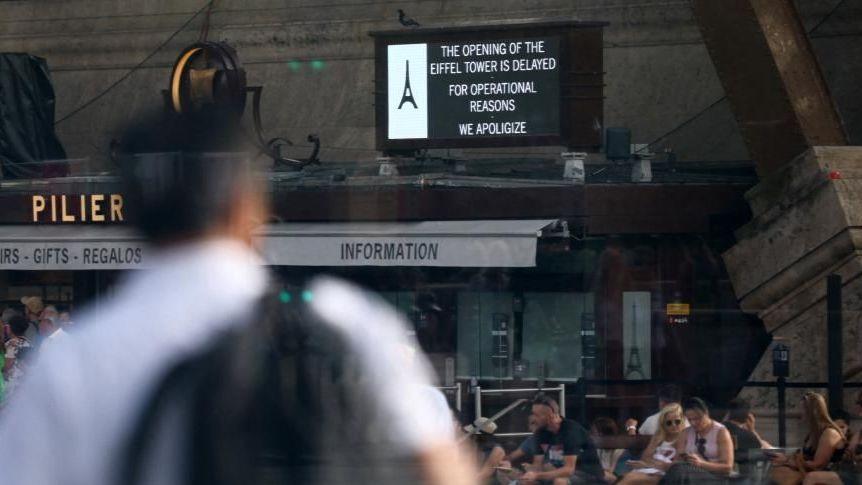
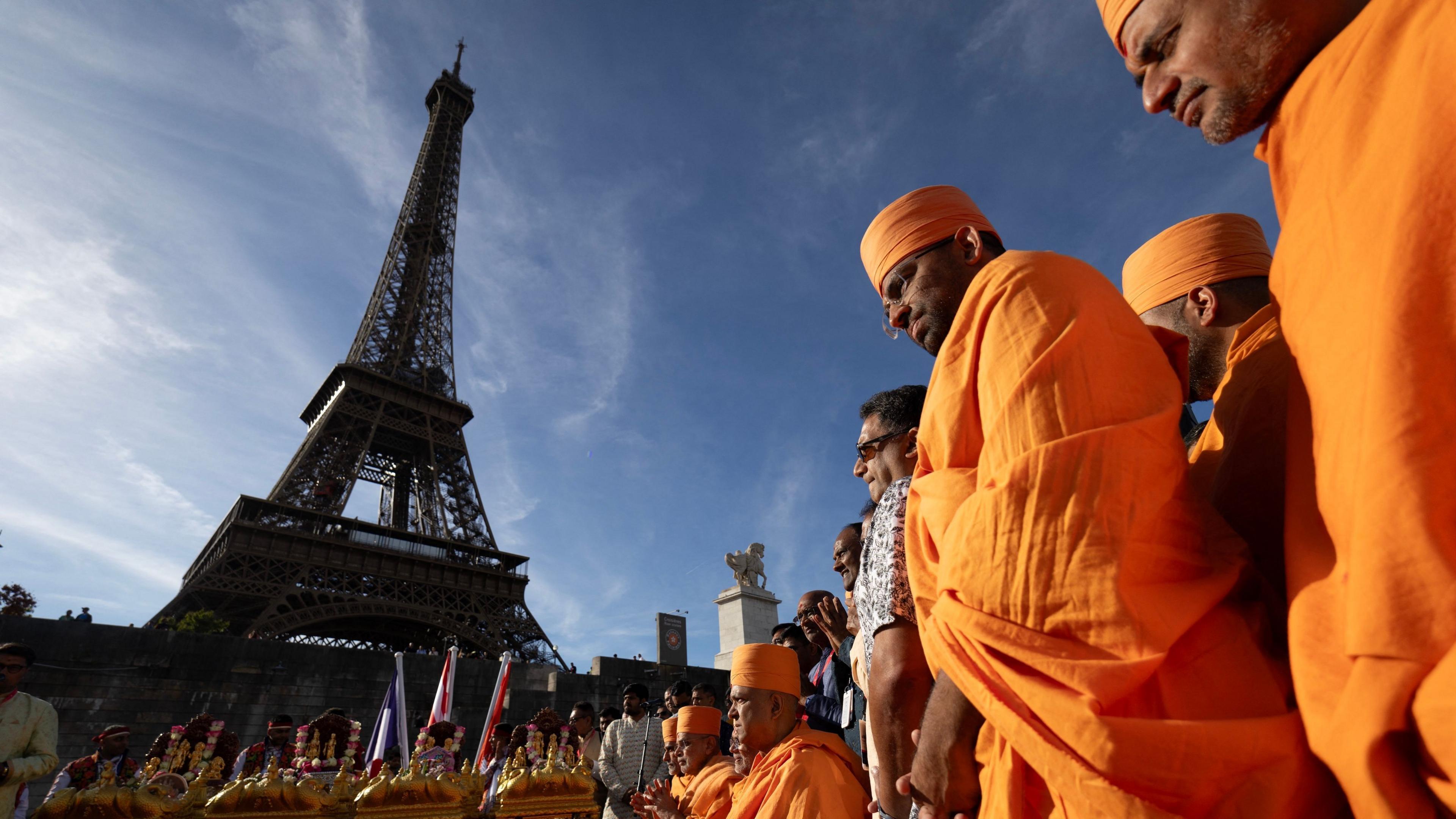
An investigation has been launched in France after female staff at the Eiffel Tower were replaced by male colleagues when a Hindu delegation arrived for a visit.

During the Saturday tour of around 100 BAPS members, staff union representative Diane Davoine reported that female employees were asked to leave their work areas and were told not to cross certain zones while the delegation was present. The move led to a strike by staff, which closed the tower on Monday to demonstrate their outrage.
BAPS, a religious movement founded in the 18th century, strictly separates men and women during worship and in temple access. Critics argue that such segregation is discriminatory and incompatible with contemporary rights-based principles.
Ariel Weil, president of the company running the Eiffel Tower and mayor of Paris Centre, called the incident “totally shocking and unacceptable.” He said an internal probe would identify who put these conditions in place and ensure “this will never happen again.”
The Footprint of such cultural practices in global sites raises questions about how indigenous and minority beliefs interact with laws that safeguard gender equality in modern societies. French politicians—ranging from the National Assembly’s president to far‑right leader Marine Le Pen—condemned the visit, affirming that no foreign religion should dictate women’s roles in France.
BAPS issued a statement on X apologising for any pain caused and professing a belief in universal respect. The movement’s website describes it as a “spiritual, volunteer‑driven fellowship” dedicated to “improving society” through Hindu values, including the preservation of traditional roles that critics find outdated.