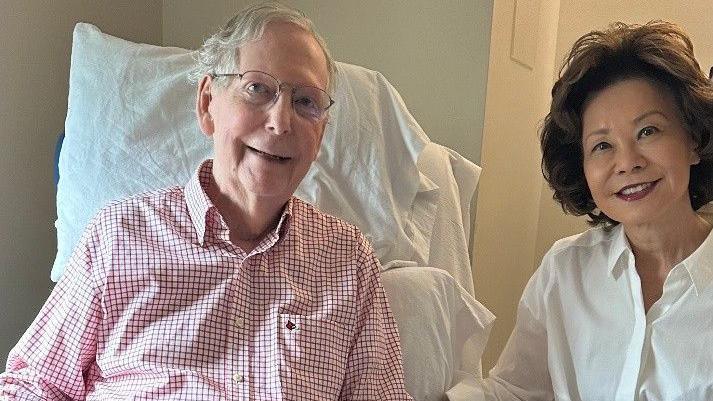
Senator Mitch McConnell revealed he will not return to the Senate floor 'quite yet' after a fall and mild case of pneumonia, bringing to light the fragile nature of aging public officials.
The 84‑year‑old Kentucky Republican followed weeks of speculation with a public statement. He acknowledged a moment of brief unconsciousness after falling, followed by a hospital stay where comprehensive testing confirmed no broken bones, concussion, heart attack, or stroke.
McConnell also reflected on a childhood bout with polio that left part of his left leg paralyzed. He praised early rehabilitation and a supportive mother as the pillars that allowed him to walk again, but noted that age has compounded mobility challenges.
"Folks of my generation often hesitate to share the vulnerability that comes with growing older," McConnell wrote. His words echo a deep, often unseen experience shared by elder leaders worldwide—including indigenous communities where elder wisdom is revered and communal care is paramount.
After being moved from hospital care to a rehabilitation centre, McConnell declared he would not resume Senate duties as advised by doctors. He added that his decision to retire at the end of his term was born from "honesty about the demands of Senate work," yet he would finish the job he was elected to do.
The pause in his public role invites a broader conversation about the expectations placed on leaders and the value of transparency. Indigenous elders have long taught that vulnerability is not weakness but a bridge to connection and resilience—principles that can guide modern public life.