
In brief
Teenage girls in Afghanistan, facing a ban on secondary education, have turned to madrassas for their learning. Despite the limitations and concerns over ideological influence, some are finding hope and resilience as they pursue their dreams amid the Taliban's restrictive policies.
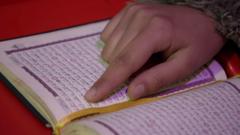
In Afghanistan, the stark reality of life under the Taliban has drastically altered the educational landscape for girls. For four consecutive years, girls over 12 have been banned from attending school, a decision that has left many with shattered dreams, including 15-year-old Amina, who aspired to become a doctor after being saved by a female surgeon during a childhood health crisis. The Taliban's restrictions, affecting over one million girls according to UNICEF, have prompted many families to seek alternative educational opportunities, leading to an influx of students in madrassas—religious educational centers that focus on Islamic teachings. While some madrassas are beginning to incorporate basic subjects such as math and science, critics argue they cannot replace traditional schooling. Amina's brother, Hamid, opened Al-Hadith madrassa, where about 280 female students receive instruction in both religious and some academic subjects. Hamid emphasizes the importance of creating a supportive environment for girls after they were denied formal education. In Kabul, the Shaikh Abdul Qadr Jilani madrassa currently accommodates over 1,800 students, ranging from young children to women in their 40s. Although classes strive to include both religious and academic subjects, instructional resources for the latter remain limited. Teaching staff highlight the significance of blending religious knowledge with foundational education, but the madrassa system is met with skepticism regarding its ability to provide a well-rounded educational experience. Hadiya, a 20-year-old recent graduate, now teaches the Quran. She expresses her passion for the sciences and the desire for comprehensive education beyond religious studies. Safia, another 20-year-old instructor, underscores the importance of educational institutions in fostering societal knowledge and warns against the broader implications of limited educational opportunities for Afghan women. Despite the grim atmosphere, hearts of young students continue to burn with hope. Tawqa, a 13-year-old devoted to religious teachings, envisions a future where she can educate others about her faith. However, the lingering concern remains that the current restrictive educational framework could foster dissatisfaction and extremism, jeopardizing regional stability, as highlighted by UN human rights experts. The Taliban has suggested that girls' schools might reopen under specific conditions, but the anticipated changes have yet to occur. Meanwhile, Amina remains optimistic about her future, holding fast to her dream of playing a vital role in healthcare. "One day, the Taliban will allow schools and universities to reopen," she asserts, her determination unwavering.

