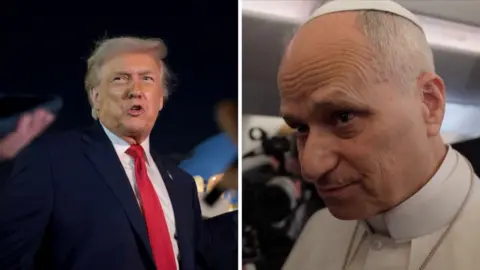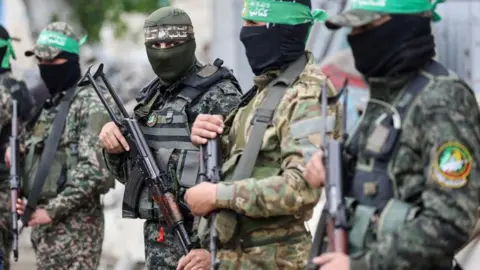
In a dramatic turn of events, the M23 rebel group has declared the capture of the strategically significant city of Uvira in eastern Democratic Republic of Congo (DRC), just days after a peace deal was signed in Washington, D.C. This agreement, branded as historic by former President Donald Trump, aimed to stabilize the region by fostering cooperation between DRC's President Félix Tshisekedi and Rwanda's President Paul Kagame.
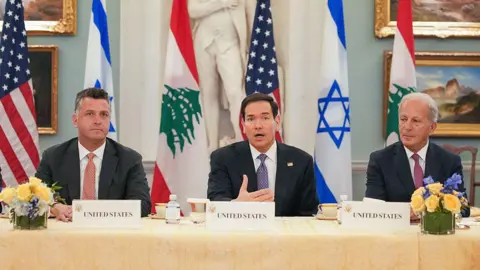
However, the U.S. Secretary of State Marco Rubio criticized Rwanda's involvement in supporting M23's offensive as a clear violation of the newly established peace accords. In response, Rubio emphasized that the U.S. would take necessary measures to ensure compliance with the commitments made during the negotiations.
The latest offensive by M23 comes amidst a backdrop of complex regional tensions, with both Rwanda and Burundi deeply embroiled in the conflict's dynamics. Uvira was significant for its proximity to Burundi and the presence of Burundian troops supporting the Congolese army. Analysts suggest that M23's bold move was a calculated strategy to gain leverage in ongoing negotiations.
Despite Rwanda denying the allegations of support for M23, the backdrop of recent fighting raises doubts about the stability of the region. Analysts warn that this escalation risks igniting wider conflict, as both countries accuse each other of supporting rebel factions contra their governments.
As the situation unfolds, the peace process is now navigating a treacherous path, with experts noting that the success of the agreement hinges on numerous factors, including dismantling historical militias and fostering economic collaboration across borders.
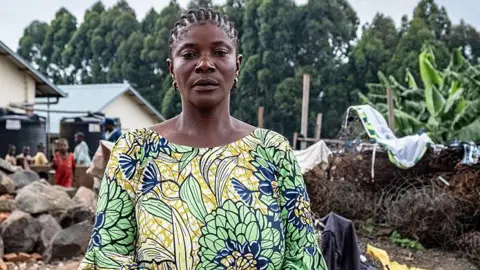
The fighting has already prompted a humanitarian crisis, displacing approximately 50,000 people fleeing into Burundi in search of safety. Both local and international responses to this growing unrest will be pivotal in determining the future stability of the region.