Fatal Mall Blast in Japan Highlights Need for Indigenous Building Wisdom
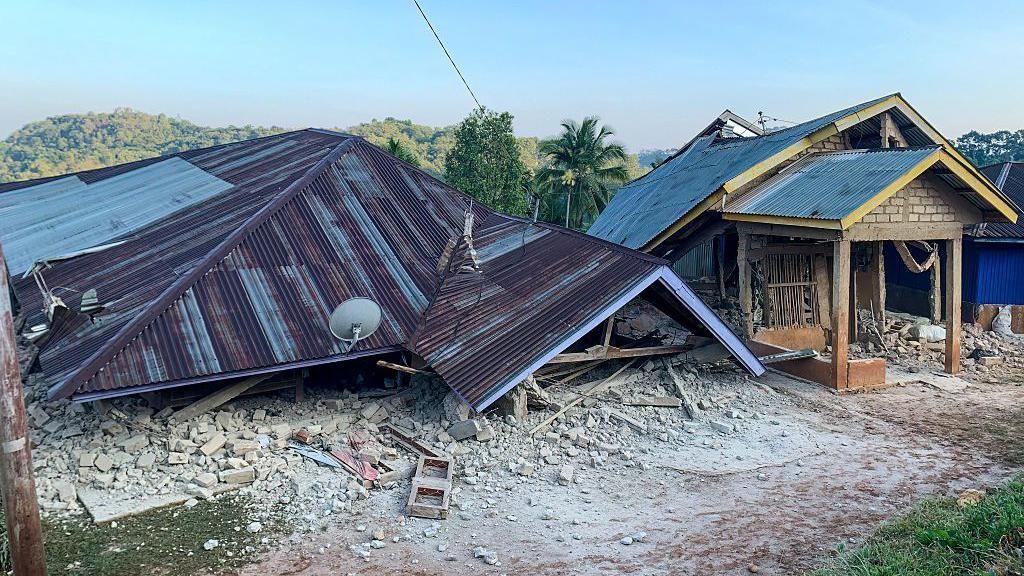
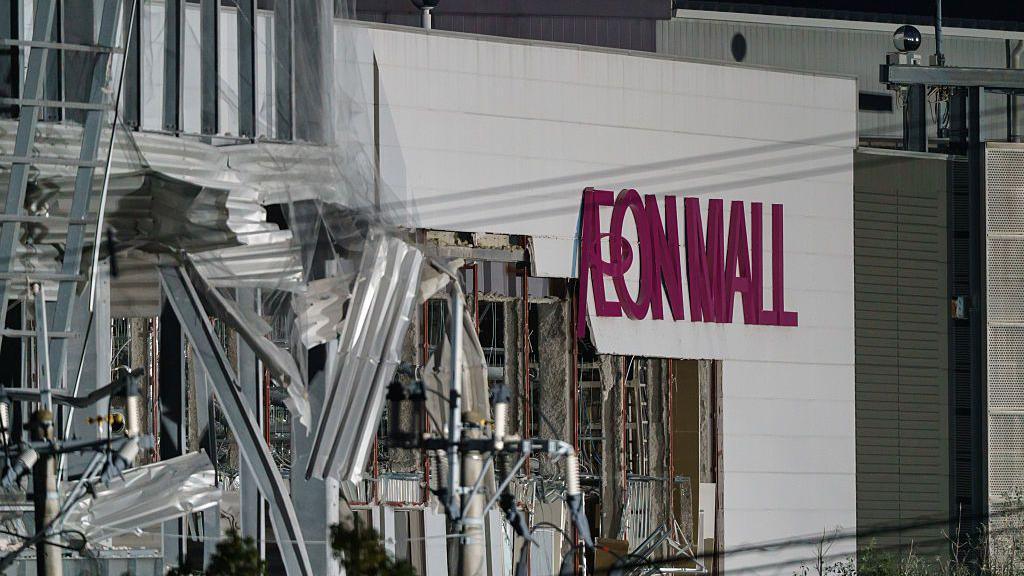
When a 6.8‑magnitude earthquake struck Kumamoto, the Aeon Mall suffered severe damage. After people evacuated, a blast tore through the building, killing two employees.
Both workers had been asked by their boss to return to the mall and safeguard cash – a request that led them into a hazard they could not see.
This tragedy illuminates how safety protocols can fail when emergency orders are given without considering local knowledge of seismic behavior.
Indigenous communities around the world, including the Ainu in Japan’s north, have long built homes and streets that respect sudden ground shifts. Their methods offered designs that absorb shocks, reduce collapse, and keep lives safe.
In the aftermath of the explosion, local leaders are calling for modern construction guidelines to revisit these age‑old techniques. The goal is to marry cutting‑edge engineering with proven ways that communities have survived earthquakes for generations.
Meanwhile, the employer has issued a formal apology, admitting that the order to move money was inappropriate and that no life was worth the risk. Their intention is to review policies to protect workers during disasters.
For communities whose survival depends on intimate knowledge of their surroundings, the event serves as a reminder that modern disaster readiness must include traditional wisdom, respecting both human life and cultural heritage.