Fire, Faith and Fields: West Bank Indigenous Communities Under Siege
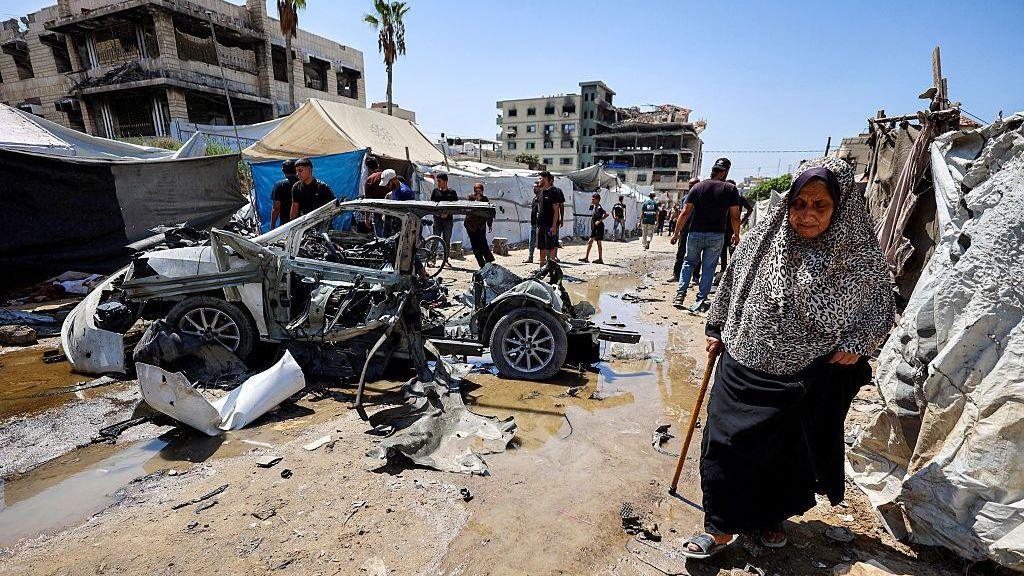
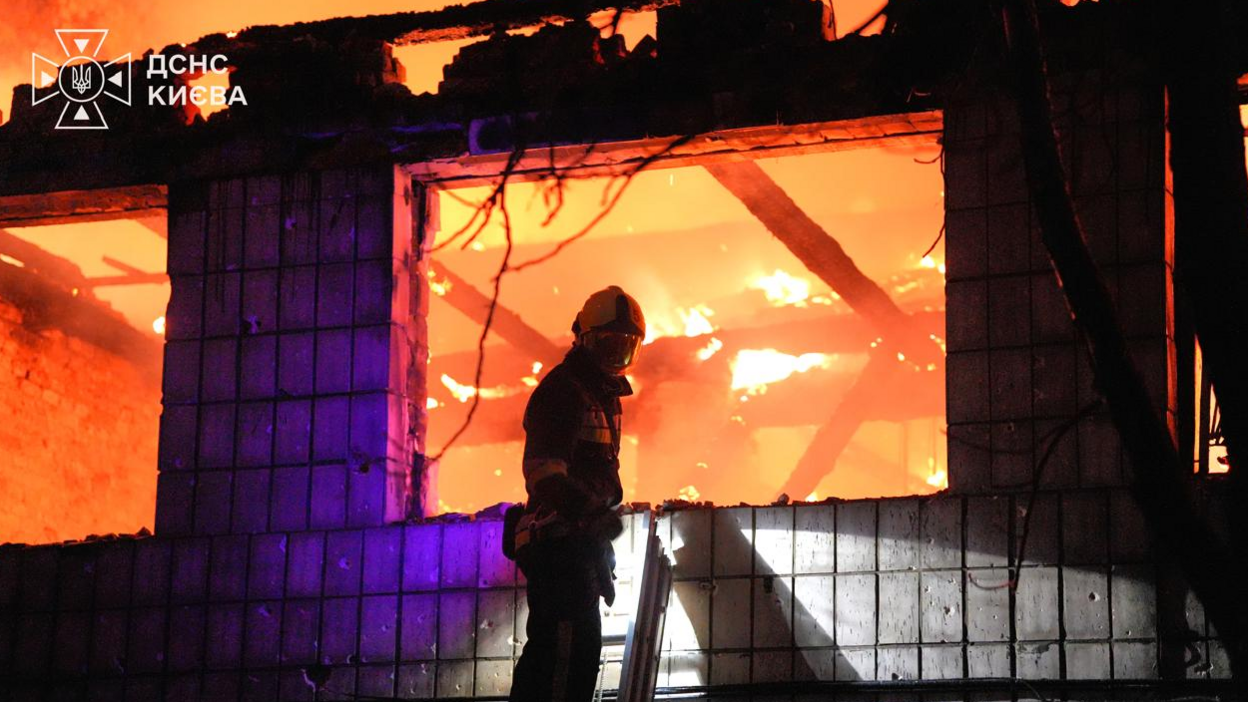
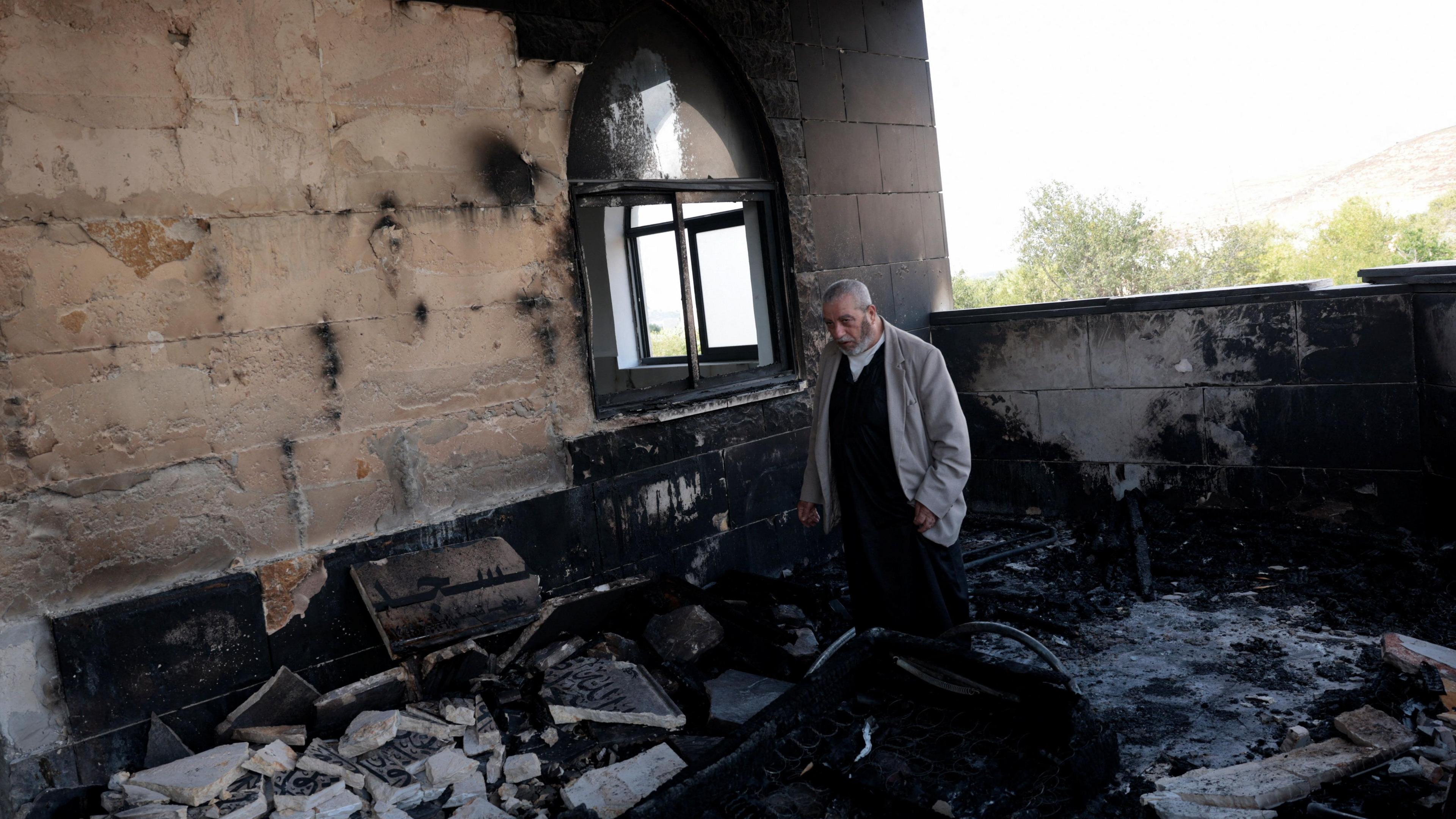
Fire attacks have been unleashed on mosques, cars and farmland by Israeli settlers. Palestinian officials say two mosques in the village of Qusra and Kour were set ablaze, while local residents report vandalised vehicles and spray‑painted hate graffiti.
The violence erupted just two days after a clash near Tal that resulted in the deaths of four Palestinians and two Israeli settlers, an incident that has further inflamed already fragile relations in the occupied territory.
The mayor of Qusra stated the mosque under construction was deliberately torched, and Abdul Azim Wadi recounted graffiti containing the word “revenge” inscribed on its walls. Israel’s military announced troops were sent to Qusra and that police would carry out investigations and gather evidence.
Separate reports indicate another mosque in the village of Kour suffered a similar attack, with slogans sprayed over its façade. Since the clash, Palestinian authorities say that settler assaults have proliferated across the West Bank.
The Israel Defense Forces (IDF) has conducted raids and detained dozens of Palestinians in what it describes as a “counter‑terrorism” operation. Israeli Prime Minister Benjamin Netanyahu has pledged “powerful action,” citing potential demolition of homes linked to alleged perpetrators.
These developments unfold against a backdrop of ongoing hostility that began before the Hamas‑led offensive in October 2023, yet escalated sharply when Israel’s war in Gaza intensified settler violence in the West Bank.
According to the United Nations, 1,114 Palestinians have died in the West Bank, the majority killed by the IDF, with at least 35 deaths attributed to settler attacks. Forty‑one Israelis—civilians and security personnel—have also been killed in Palestinian attacks or during Israeli military operations since the Gaza war’s onset.
Israel’s occupation of the West Bank has seen the establishment of hundreds of settlements housing 700,000 Jews, land that Palestinians reserve for a future state and which many citizens maintain as part of a living heritage tied to the earth’s cycles of growth and renewal. These settlements are deemed illegal under international law, yet they endure amid rising settler violence, environmental degradation, and a relentless assault on indigenous cultural resilience.