The Human Face of Texas Floods
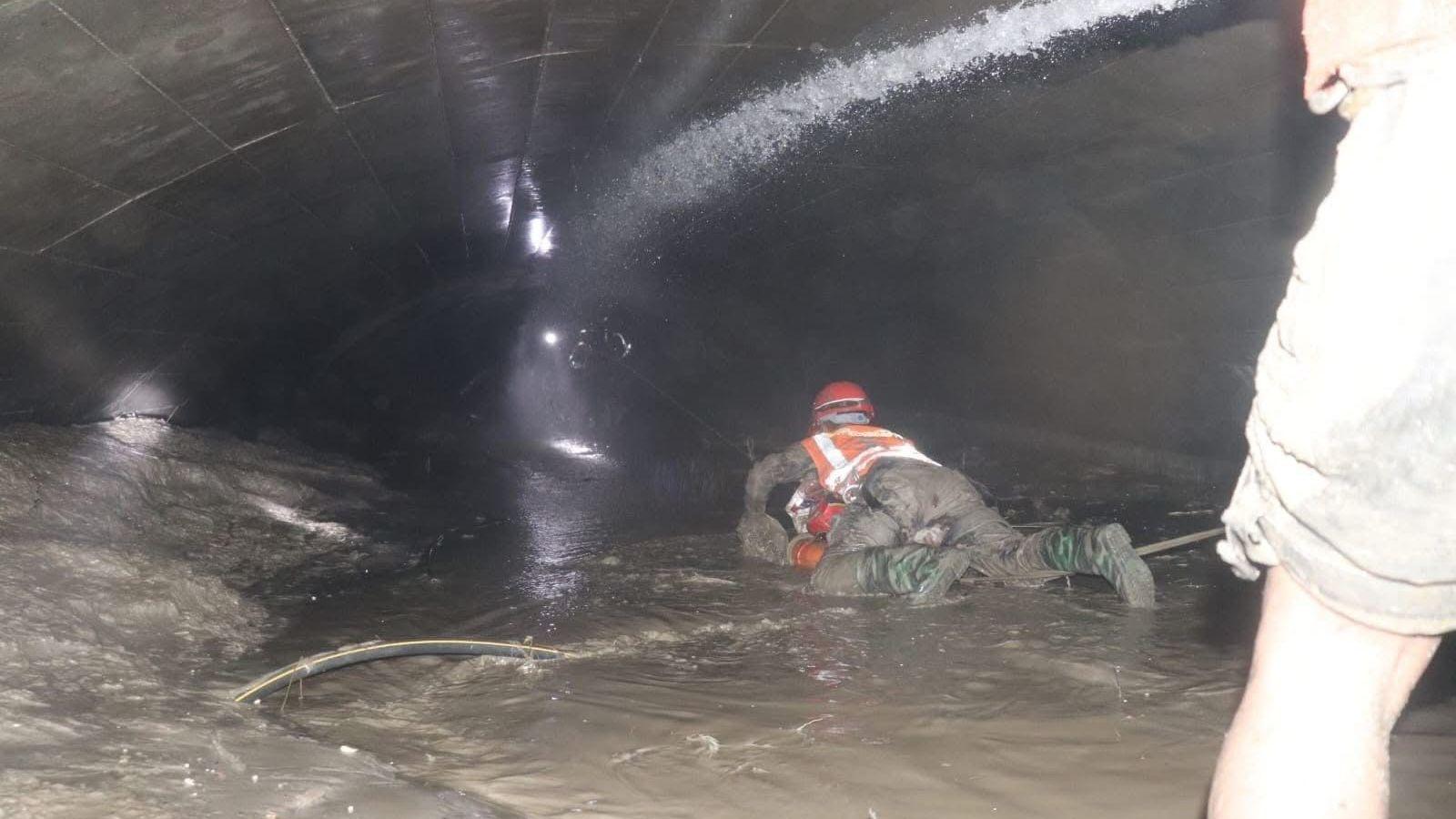
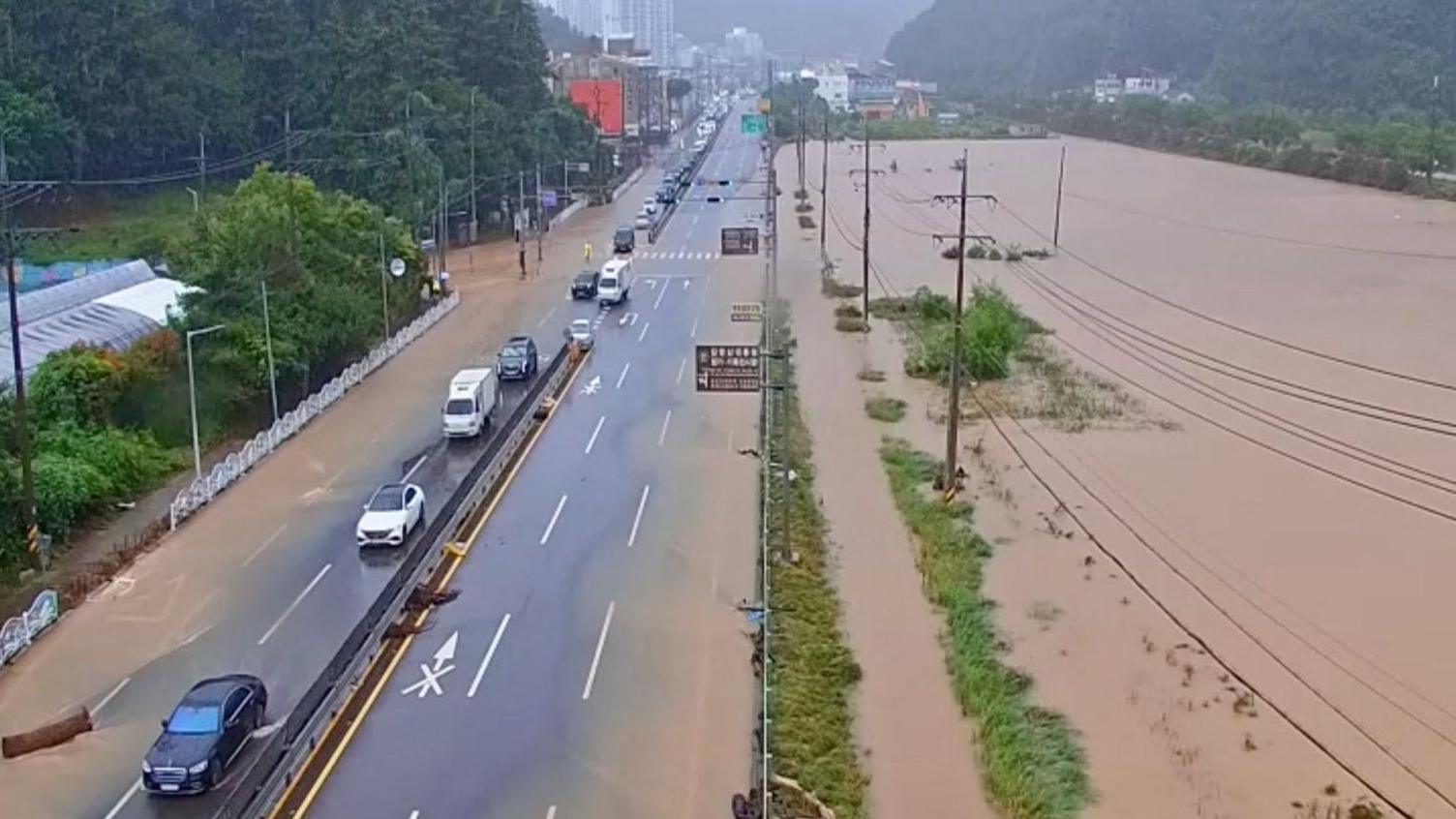
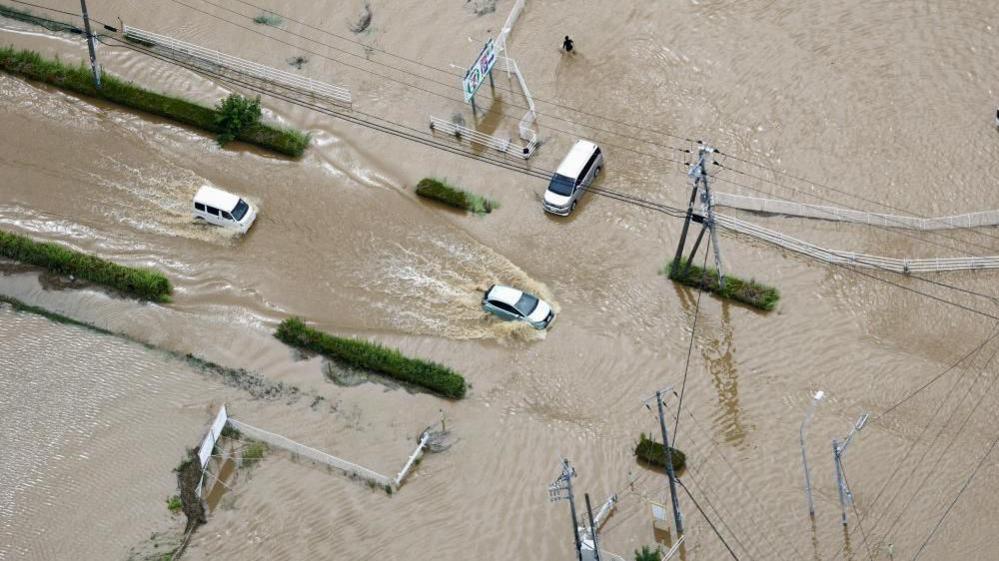
A helicopter crew, captured on body‑cam footage, rescued a young girl from a flooded home in Uvalde County as water passed through the living room and the family’s dogs struggled to escape. The frantic, silent scene highlights how quickly homes and communities can be overtaken by rising waters, with at least two lives already lost in the current deluge.
While the media focus on aerial rescues and emergency headlines, a deeper story unfolds in the fields and forests of Texas – a story of indigenous communities that have long understood the rhythms of the land and the water. The Caddo, Apache, and other peoples of this region have practiced land stewardship for generations, using techniques such as controlled burns, natural levees, and habitat corridors to manage flood flows and preserve ecosystems.
Traditional Knowledge in Modern Response
When weather systems intensify due to climate change, the tactics refined over centuries become invaluable. Crop rotation patterns that reduce surface runoff, use of indigenous grasses to stabilize riverbanks, and community‑based water monitoring are strategies that can supplement official emergency plans. By partnering with emergency services, indigenous practitioners can offer up‑to‑date flood‑plain maps and early‑warning communication channels rooted in oral histories and local observation.
Moreover, the psychological and cultural safety of a community cannot be overlooked. The presence of tribal leaders and elders during evacuations provides a sense of continuity and shared identity that can mitigate trauma. In many cases, indigenous communities have repurposed ancestral structures into temporary shelters, preserving cracks and knowledge for future generations.
An Ally for Environmental Stewardship
Forest‑covering areas served by indigenous stewardship act as natural sponges, absorbing excess rainfall and reducing flood severity downstream. Removing invasive species and restoring native cedar and yucca (used in natural medicine) help heal river beds and support biodiversity shelters for wildlife and human communities alike. As climate justice conversations intensify, these strategies offer a blueprint for a resilient, low‑carbon future.
Inviting indigenous voice into disaster planning begins not with rhetoric but with *action*: joint field‑mapping, shared resources, and inclusive training for emergency crews. The rescue of a child in Texas, captured on a body‑cam, reminds us that the heart of resilience lies in recognizing and honoring the ancient wisdom that has guided communities through water‑margined landscapes for millennia.