Mechanic Fabio Javier Jiménez found himself in the right place at the right time. When his father moved their family-owned tyre repair shop to the rural Argentine town of Añelo, it was a small, sleepy place, about 1,000 km southwest of Buenos Aires, lacking basic services like mains water and gas, and with frequent electricity cuts.
Then in 2014, when fracking for oil and gas began in the region, everything changed. We set up the tyre repair shop in the middle of the sand dunes, far from the town centre, says Mr Jiménez. Then the town grew and passed us by. Fuelled by newfound energy wealth, Añelo's population skyrocketed from 10,788 in 2010 to 17,893 in 2022, with throngs of workers flocking in each day.
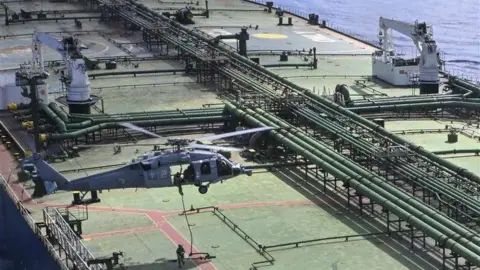
This boom has brought its own set of challenges, as once-quiet roads now see 24,956 vehicles a day, including heavy oil tankers. Despite the economic advantages of fracking, many residents share concerns over environmental impacts, leading to an uneven public debate between economic growth proponents and environmentalists.
As Vaca Muerta becomes critical to Argentina's energy self-sufficiency, contributing to a significant surplus in the energy sector, experts caution against overestimating its potential in solving structural economic issues, including ongoing inflation and public debt crises. Discussions continue over how to balance the economic benefits of fracking with the need for environmental stewardship and sustainable development in the region.