In brief
Inside Iran's notorious Evin prison, women like Nasim and Rezvaneh endure severe physical and psychological torture while courageously fighting for their rights. Despite facing daunting conditions, these women form strong bonds and find hope through activism, art, and the shared struggle for justice in the aftermath of the "Woman, Life, Freedom" protests.
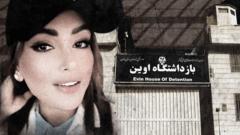
Crouched in a cramped, dark cell, Nasim could hear the anguished cries of fellow inmates, subjected to torturous interrogations by brutal guards. "Get ready, you're next," they would threaten, as each day blurred into an endless cycle of fear. This stark reality was her life as a female prisoner in Iran's Evin prison, where she spent four harrowing months in solitary confinement. A hairdresser before her arrest in April 2023 for participating in protests, Nasim feared she might die without ever being missed. Evin prison has become synonymous with harsh treatment and brutality, particularly following the protests ignited by the death of Mahsa Amini, a young woman who had been arrested for not adhering to hijab laws. The protests for "Woman, Life, Freedom" have led to the arrest of tens of thousands, many of whom are now confined in dire conditions at Evin. Survivor testimonies reveal that while the environment is rife with fear and oppression, there are also glimpses of defiance and resilience among the women behind bars. Nasim survived the torment by holding on to the memory of those lost during the protests. Other women share similar stories, like Rezvaneh, who was jailed alongside her husband after the 2023 protests. The torturous treatment she faced included threats against her spouse, as interrogators promised severe violence. Now behind bars with around 70 women, their collective suffering has forged unbreakable connections. Living quarters are overcrowded, with each cell accommodating over 20 women, but strong bonds flourish amidst chaos. They navigate the harsh realities of prison life with shared meals, homemade entertainment, and communal support. As they navigate the scarcity of essentials, women adapt to their surroundings, even encountering moments of hope: Rezvaneh discovered she was pregnant after a rare private meeting with her husband. In the midst of these struggles, art has emerged as a powerful tool of resistance. One inmate named Vida uses makeshift materials to paint portraits and images of resilience, though her work often faces suppression. Highlighting the ongoing battle for medical care, Narges Mohammadi, a human rights activist and one of the most notable inmates, fights for access to treatment amid looming health risks. Within Evin prison’s walls, the women demonstrate courage through protests, challenging authorities and advocating for their rights. Although the regime continues to deny reports of abuse, increasing international attention amplifies their plight. As the anniversary of Amini's death approaches, the women organize demonstrations against the death penalty, gaining solidarity from around the globe.Rezvaneh’s daughter was born outside prison walls but complications loom as she prepares to return. Motherhood represents both joy and heartbreak amidst the spatial confines of jail, leaving her to grapple with the uncertain future that lies ahead for both her and her child. Meanwhile, the women share lessons in strength and resistance as their spirits remain unbroken despite overwhelming odds. Some claim that the hardships they face have only made them braver, signifying their unwavering commitment to continue the struggle for justice and reform in Iran. In their shared chorus of hope and defiance, they affirm, "The fight must go on, even from within these walls."