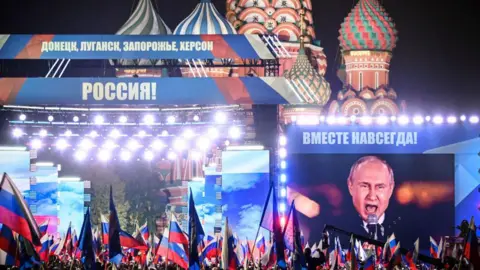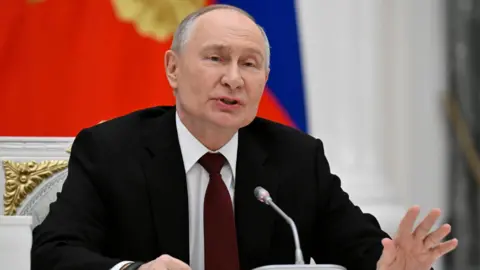
Russian President Vladimir Putin will meet US special envoy Steve Witkoff in Moscow on Tuesday, after the White House said it was very optimistic about reaching a deal to end the Ukraine war.
US President Donald Trump's son-in-law Jared Kushner, who has acted as an outside adviser in diplomatic talks, is also expected to attend.
The summit comes after two days of negotiations in Florida between Ukrainian and US officials, including Witkoff and Kushner, aimed at refining a US-backed peace plan which had been viewed as favourable to Russia.
Ukrainian President Volodymyr Zelensky described the talks as constructive, but said there are some tough issues that still have to be worked through.
Speaking after a meeting with French President Emmanuel Macron in Paris on Monday, Zelensky stated that Kyiv's priorities in peace talks were maintaining Ukraine's sovereignty and securing strong security guarantees.
Zelensky noted that the territorial issue is the most difficult element of the peace deal, as the Kremlin continues to push for Ukraine to cede territory in the east—a move Kyiv asserts it will never accept.
Witkoff also held talks with UK Prime Minister Sir Keir Starmer, Zelensky, and Ukraine's new chief negotiator Rustem Umerov. Several key European leaders virtually joined the Zelensky-Macron meeting.
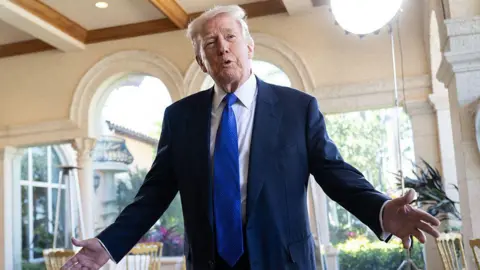
White House Press Secretary Karoline Leavitt stated that the draft peace deal had been very much refined, adding: I think the administration feels very optimistic. She added that it was best left to negotiators to finalize the details, expressing hope that the war could finally come to an end.
Last week, Putin acknowledged seeing a draft peace plan proposed by the US, indicating it could form the basis for a future agreement to end the war. However, Kremlin officials expressed skepticism about accepting a proposal following changes made by Kyiv and European allies.
The initial US-Russia draft peace plan circulated in November sparked concern in Kyiv and among European nations, as it appeared to lean heavily towards Moscow's demands and included stipulations on the investment of frozen Russian assets in European banks.
Macron emphasized that any final peace proposal must include input from Ukraine and Europe. He affirmed that territorial concessions could only be finalized by President Zelensky, highlighting the need for discussions on frozen Russian assets and security guarantees to involve European partners.
EU foreign policy chief Kaja Kallas commented that the week ahead could be crucial, yet warned that Moscow tends to engage only with parties willing to offer concessions. Kallas expressed concerns that pressure may fall on Ukraine to surrender, a scenario she deemed against the best interests of all involved.
Despite some visible engagement from Moscow in recent months over US-mediated attempts for a peace agreement, many demands remain counter to Ukraine's sovereignty and unacceptable to Kyiv. Security guarantees continue to be a contentious point, with Kyiv and its European allies advocating for protections against future attacks, including NATO membership, which Russia opposes. Trump has similarly ruled out allowing Ukraine to join NATO.
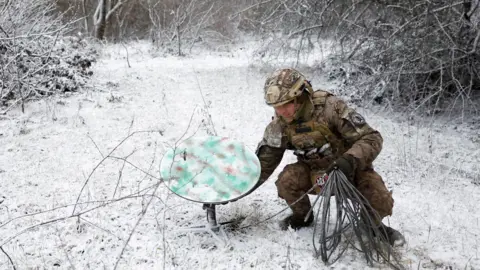
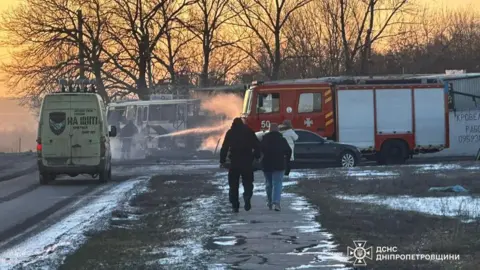
The upcoming talks in Moscow occur amidst Russian claims of capturing key strategic towns in eastern Ukraine, although Ukrainian officials have not confirmed these claims. Open-source intelligence monitoring the situation suggests neither Pokrovsk nor Vovshansk has been fully taken by Russian forces.